
Fields · Running the business
Auditing and quality assurance
What is auditing and quality assurance work?
Checking pest control programmes against food-safety and customer standards — as a third-party auditor, a client’s QA lead, or a pest company’s own quality auditor.
Key factAuditing a programme usually needs no pesticide licence, because the auditor treats nothing. Credibility comes from certifications instead: food-safety scheme auditor training (SQF, BRCGS, AIB International standards), FSMA Preventive Controls Qualified Individual (PCQI) training, and pest credentials such as ACE or BCE. Many auditors keep a licence anyway because they came off the route.
Thinking about auditing and quality assurance? Ask the people doing it every day in the LTK Discord.
Ask on Discord(opens Discord in a new tab)What the job is really like
Auditing and quality assurance is the job of checking pest programmes rather than running them. It comes in three main forms. Third-party auditors work for certification bodies and audit food sites against schemes such as SQF or BRCGS, and the pest programme is one part of what they check. Client-side QA staff work for the food plant itself and manage the pest contractor as one of their prerequisite programmes. Internal quality auditors work for pest companies and check their own technicians' accounts before a client's auditor does. None of these roles treats anything, so none of them needs a pesticide licence just to audit, but credibility comes from credentials and experience. The work suits people who are thorough, sceptical in a polite way, good with documents and able to tell someone their programme has a problem without starting a fight. It is a career for people who have learned the work well enough to see what others miss. It is a poor fit for people who want to be outdoors all day or who dislike conflict.
Every audit starts with documents. On the pest programme, an auditor working against the SQF code is checking that the site has a documented pest prevention programme that names who is responsible, records and trends pest sightings, sets how often pest status is checked, shows every device on a site map with its location, number and type, lists the chemicals used with Safety Data Sheets available, and measures whether the programme is working. The contractor must be licensed and approved by the relevant authority, use trained operators and approved chemicals, and leave written reports of inspections and treatments.
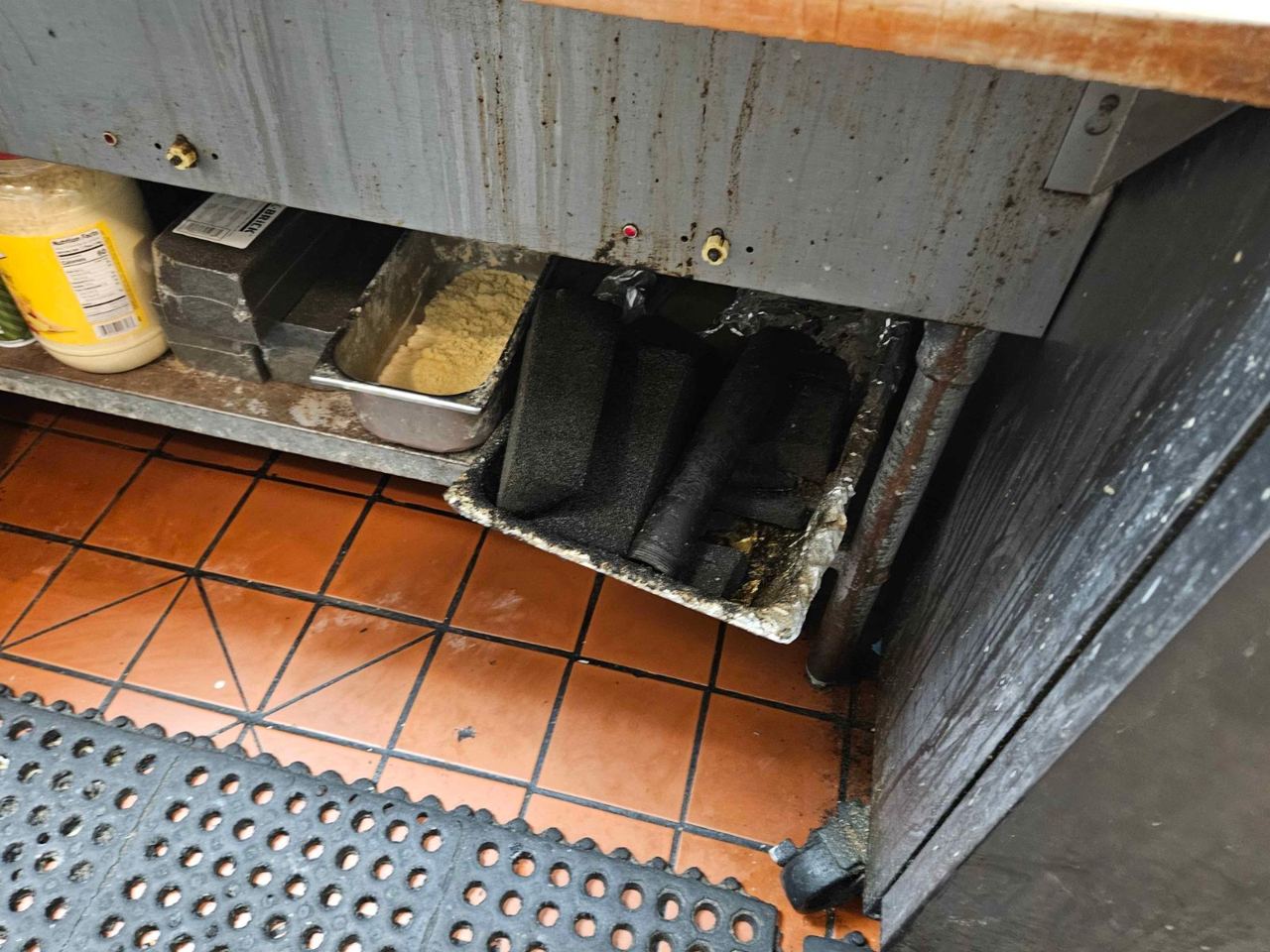
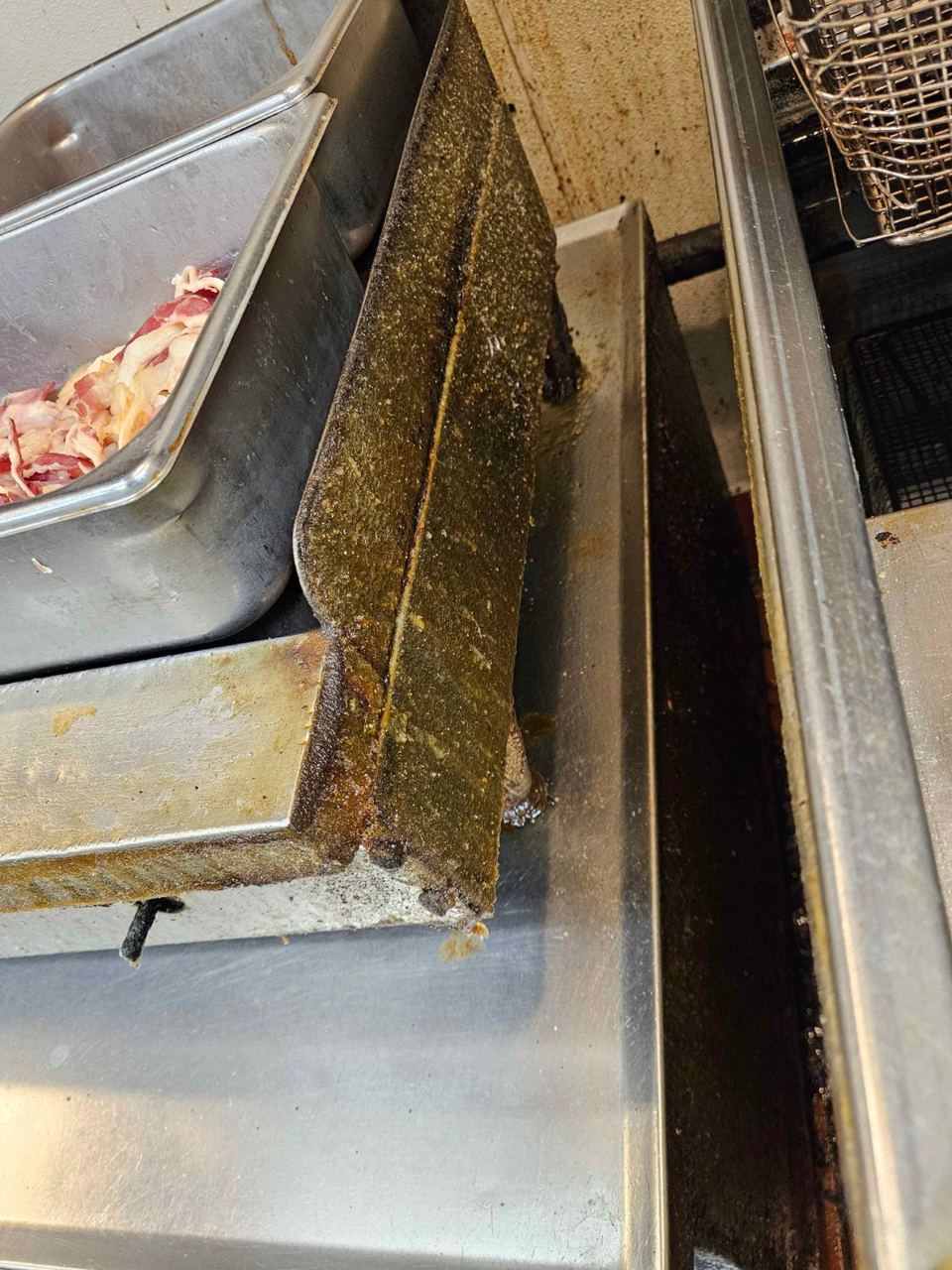
Then comes the walk. The auditor compares the site map with what is actually on the walls, opens stations, looks at light traps, and looks for evidence of pests and for conditions that would let them in. The SQF code says identified pest activity must not present a contamination risk to food, raw materials or packaging, and that contaminated product must be disposed of and the source investigated, with records kept. Under the AIB standards, the facility's pest programme is judged partly by results: effective pest management is shown by a lack of identified pest activity.
Client-side QA work is less about a single audit day and more about running the system all year. In an SQF-certified site, senior management must designate a primary and substitute SQF practitioner, employed by the site, who has completed HACCP training and oversees the whole SQF system, including contract services such as pest control. Under FSMA, FDA requires certain parts of a food facility's food safety plan, such as preparing the plan, validation and records review, to be done or overseen by a preventive controls qualified individual. In practice the QA person reads every pest service report, follows up on recommendations, keeps the trend data, and answers for the pest programme when the certification auditor arrives.
Internal quality auditors at pest companies do a smaller version of the same job from the other side. They visit commercial accounts, check that records are complete, that every device on the map is present and serviced, that labels and licences are on file, and that trend reports were written and sent. The point is to find the gaps before the client's auditor or the state inspector does.
The rest of the week is writing. Findings have to be clear, specific and tied to the requirement they fail, and corrective actions have to be followed up. Third-party auditors also travel a great deal, because audits happen at the site.
Daily duties
- Review the documented pest programme against the scheme or customer standard.
- Check the device site map against the devices actually in place.
- Review service reports, pesticide application records and pest sighting logs for completeness.
- Confirm specimen labels and Safety Data Sheets are on file for every product used.
- Confirm technician certifications or registrations, the pest company licence and insurance certificate are current.
- Check the written scope of service covers frequency, services, approved chemicals, emergency procedures and record keeping.
- Walk the facility looking for pest activity, harbourage and entry points.
- Assess trend analysis and whether recommendations were acted on.
- Check pesticide storage on site: locked, labelled, inventoried, with spill control.
- Write findings tied to the specific requirement, and grade their severity.
- Follow up corrective actions and verify they were completed.
- For client QA roles: manage the pest contractor, read every report and keep the programme audit-ready.
- For internal pest company auditors: inspect technicians' commercial accounts and coach them on gaps.
- Keep your own training and credential records current.
Work environment
- Schedule
- Third-party audits are scheduled around the site, and some schemes use unannounced audits; AIB's recognition document is labelled as announced, unannounced or announced to corporate. Client-side QA roles run on the plant's schedule. There is no national data on auditor hours, so ask about overnight travel and how many audits a week are expected.
- Seasons
- Mostly year round. Certifications and AIB recognition run on annual cycles, so each site's audit date recurs. Pest pressure itself is seasonal, so findings change with the season.
- Physical
- A mix of desk work and long walks through large facilities, including warehouses, coolers and exterior perimeters. Lighter than route work, but you are on your feet most of an audit day.
- Hazards
- Food plant hazards: forklifts, production machinery and noise. You follow the plant's safety and GMP rules like any visitor. Auditors do not apply pesticides, so pesticide exposure is lower than for technicians, but you will open stations and handle devices.
- Vehicle and travel
- Third-party auditors travel between sites, often far and often overnight. Client-side QA roles are based at one plant or a few. Internal pest company auditors drive between their company's commercial accounts.
How people get in
Mostly sideways from commercial and food-safety service, where you learn what an auditor looks for by being audited. The other route runs from the food plant’s own QA team into pest programme oversight. Internal auditor roles inside larger pest companies are the usual first step.
Training and licensing
Getting hired
Requirements depend on which kind of auditor you want to be. To register as an SQF auditor, SQFI requires a university degree in a discipline related to the food sector categories you apply for, or equivalency through 10 years of industry experience or an approved education plan; completion of SQFI's Auditing the SQF Code Requirements course, an HACCP training course and the Auditing SQF Food Safety Systems exam; at least 120 hours of food industry auditing; at least two years of work in a food-related technical, professional or supervisory role involving food safety; and employment or contract with a licensed SQF certification body. SQFI says the 120 audit hours count supplier, HACCP and GMP audits, but not internal audits or pest control assessments. That last point matters: years of pest programme audits do not by themselves count toward SQF auditor hours. Client-side QA roles usually want food science or related education plus HACCP and PCQI training. Internal pest company auditor roles usually go to experienced commercial technicians.
Learning on the job
Most people learn auditing by being audited first. Commercial and food safety pest technicians learn what auditors look for by preparing for audits. After registration, SQFI says further auditor qualification is done by the certification body through witnessed audits and reviewed audit reports. Client QA staff typically build up through plant roles such as sanitation, quality technician or food safety coordinator.
Licensing
Auditing a pest programme does not usually require a pesticide licence, because the auditor applies nothing. If your role includes any pesticide application, the normal state licensing rules apply, and many auditors keep a licence because they came off the route. FSMA uses two defined roles. A preventive controls qualified individual must complete training at least equivalent to the FDA-recognised standardised curriculum, or be qualified through job experience. A qualified auditor, for FSMA supplier verification audits, must be a qualified individual with technical expertise from education, training or experience; FDA's examples include government employees and audit agents of accredited certification bodies. Neither is a state licence. This is general information, not legal advice.
Certifications worth knowing
SQFI (Safe Quality Food Institute)
Registration to audit SQF sites for a licensed certification body. Requires a relevant degree or equivalency, SQFI auditor training and exam, HACCP training, 120 audit hours (not counting pest control assessments) and two years of food safety work.
Preventive Controls for Human Food (PCQI training)
Food Safety Preventive Controls Alliance (FSPCA)
A 2.5-day course using the FDA-recognised standardised curriculum on building and running an FSMA food safety plan. Completing it is one way to meet FDA's training requirement for a preventive controls qualified individual.
Associate Certified Entomologist (ACE)
Entomological Society of America Certification Corporation
Five years of verifiable pest management experience, a current US applicator licence and an exam. Gives an auditor with a pest background a credential that food clients recognise.
Board Certified Entomologist (BCE)
Entomological Society of America Certification Corporation
For degree holders in biological or life sciences with entomology coursework plus relevant experience. Strong credential for technical auditing of pest programmes.
- In plain words
- Auditing a programme usually needs no pesticide licence, because the auditor treats nothing. Credibility comes from certifications instead: food-safety scheme auditor training (SQF, BRCGS, AIB International standards), FSMA Preventive Controls Qualified Individual (PCQI) training, and pest credentials such as ACE or BCE. Many auditors keep a licence anyway because they came off the route.
- Government pay data
- Not tracked as its own job by the Bureau of Labor Statistics
State-by-state business licence, insurance and fee rules are in Starting a pest control company; hiring, insurance, OSHA and selling are in Running the business.
Skills and tools
- Reading standards closely and tying each finding to a specific requirement
- Document review: spotting missing dates, unsigned records and maps that do not match
- Pest identification and knowledge of how pests get into buildings
- Understanding HACCP and FSMA preventive controls well enough to see where pests fit
- Clear, neutral written reports
- Delivering bad news calmly and professionally
- Independence: not letting relationships soften findings
- Time management across many sites
- The scheme standard or customer standard being audited
- Audit checklist and report templates
- Site device map and the pest contractor's records
- Flashlight
- Camera or tablet for evidence, where the site allows it
- Keys or tools to open locked bait stations, provided or supervised by the contractor
- Plant-required GMP gear and PPE
- Hand lens for identification
- Laptop for report writing
Career path
- 01Commercial or food safety technicianYou prepare accounts for audits and learn what auditors look for. This is the most common starting point for pest-side auditors.
- 02Internal quality auditor at a pest companyYou audit your own company's commercial accounts. Some pest companies run these roles; ask larger employers whether they do.
- 03Technical or QA leadYou add credentials such as ACE or BCE and PCQI training, and either lead quality for a pest company or move to a food plant's QA team.
- 04Client-side QA or food safety managerYou run the pest programme and other prerequisite programmes from inside the plant, often as SQF practitioner or PCQI.
- 05Third-party certification auditorYou register with a scheme such as SQF and work for a certification body. This needs food industry audit hours beyond pest assessments, and usually a relevant degree.
Pay and benefits
The Bureau of Labor Statistics doesn’t track this field as its own job, so these are the national numbers for pest control workers — the closest published benchmark, not this field’s own pay.
- $45,250Median annual pay · $21.75/hr source (BLS, opens in a new tab)
- $34,680–$61,890Lowest 10% to highest 10% of earners source (BLS, opens in a new tab)
- +6%Projected job growth 2025–2035 (all jobs: 3%) source (BLS, opens in a new tab)
- 13,700Openings projected each year, on average source (BLS, opens in a new tab)
$44,930 median inside exterminating and pest control services
$50,980 median across all US occupations
What these numbers leave out
- Self-employed workers — so owner-operators are absent entirely
- Overtime premium pay, shift differentials and non-production bonuses (commissions and production bonuses are included)
- Seasonal variation (annual figures assume 2,080 hours)
Real route pay depends on commission, truck and tool allowances and overtime. Compare notes in the Discord.
BLS does not track pest programme auditors or food safety auditors as a separate occupation, and its industry data for pest control companies does not show a quality assurance occupation. Third-party auditors, client-side QA staff and internal pest company auditors can be classified under several different occupations depending on the employer, so there is no honest single BLS figure to quote. Ask employers for their pay range directly, and treat any number you see without a named survey behind it with suspicion.
Benefits
Because these roles fall into different occupational groups, there is no single benefits figure. As a reference point, BLS's National Compensation Survey for March 2026 shows that among private industry workers in management, business and financial occupations, 94 percent had access to medical care benefits, 91 percent to retirement plans, 97 percent to paid sick leave and 98 percent to paid vacation. If your role is classified as a technician or service job instead, the service occupations figures in the other field guides apply. Ask employers about travel reimbursement and per diem, a company vehicle for field auditors, and whether they pay for auditor training, exams and credential renewals.
State-by-state licensing
There is no single state pesticide licence for this field. Depending on where you work it can fall under contractor or trade licensing, a third-party certification, or nothing formal at all. A state-by-state guide is in the works — until then, ask in the Discord and someone in your state will point you the right way.
The good and the hard
- You use everything you learned on the route, without the daily wear of route work.
- The work matters: pest problems found early keep contaminated food from reaching people.
- Credentials such as PCQI, ACE and scheme auditor registration travel with you between employers.
- Variety, especially for third-party auditors who see many sites.
- A clear route out of the truck for people who like documents and analysis.
- Nobody is glad to see you until the audit passes.
- Third-party roles can mean heavy travel and nights away.
- Getting registered as a scheme auditor takes food industry audit hours that pest assessments do not count toward.
- Report writing takes as long as the audit.
- You have to stay independent even with people you like.
Where it fits in a career
People usually arrive from
People often move on to
Questions people ask
+Do I need a pesticide licence to audit pest programmes?
Not usually, because auditors do not apply pesticides. If your role includes any application, normal state licensing applies. Many auditors keep their licence because it adds credibility.
+Can my years of pest work count toward becoming an SQF auditor?
Work experience can help with the two-year food safety work requirement if it involved food safety accountability, but SQFI says pest control assessments do not count toward the 120 required audit hours. You need supplier, HACCP or GMP audits.
+What is a PCQI?
A preventive controls qualified individual under FDA's FSMA rule for food facilities. They prepare or oversee the food safety plan, validation, records review and reanalysis. The FSPCA 2.5-day course is one way to qualify.
+What is the difference between an SQF practitioner and an SQF auditor?
The practitioner works for the certified site and runs its SQF system; the code requires them to be employed by the site and to have HACCP training. The auditor works for a licensed certification body and audits the site.
+Is AIB recognition the same as certification?
No. AIB says its recognition document reflects the score on the day of the inspection, expires after one year, and is not a certificate of compliance like an ISO certificate.
+Which food safety schemes are GFSI-recognised?
GFSI lists recognised programmes including BRCGS, SQF, FSSC 22000, IFS, PrimusGFS and GLOBALG.A.P., among others. GFSI itself does not certify food businesses.
+What does an auditor look at first in a pest programme?
Usually the documents: the written programme, site map, service and application records, trend reports, labels, licences and the scope of service. Then the walk, to see whether reality matches the paper.
Still deciding? Ask the people doing auditing and quality assurance every day in the LTK Discord.
Ask on Discord(opens Discord in a new tab)Sources
- SQFI: SQF Auditors and Technical Reviewers requirements
- SQF Food Safety Code: Food Manufacturing, Edition 9
- eCFR: 21 CFR 117.180, PCQI and qualified auditor requirements
- eCFR: 21 CFR 117.3, Definitions
- eCFR: 21 CFR 117.35, Sanitary operations (pest control)
- FDA: FSMA Final Rule for Preventive Controls for Human Food
- FSPCA (Food Safety Preventive Controls Alliance)
- Ohio State University: FSPCA Preventive Controls for Human Food training
- AIB International Consolidated Standards for Inspection: Prerequisite and Food Safety Programs (2022), copy hosted by AFDO
- GFSI: Recognised certification programme owners
- BRCGS: Global Standard Food Safety
- ESA Certification: Associate Certified Entomologist
- ESA Certification: BCE eligibility
- BLS OEWS May 2023, Exterminating and Pest Control Services industry table
- BLS National Compensation Survey: Medical care benefits, March 2026 (Table 2)
- BLS National Compensation Survey: Paid leave, March 2026 (Table 6)
Researched 2026-10-01. Licensing details change; confirm with your state agency before you rely on them.