
Fields · Wildlife and birds
Wildlife control
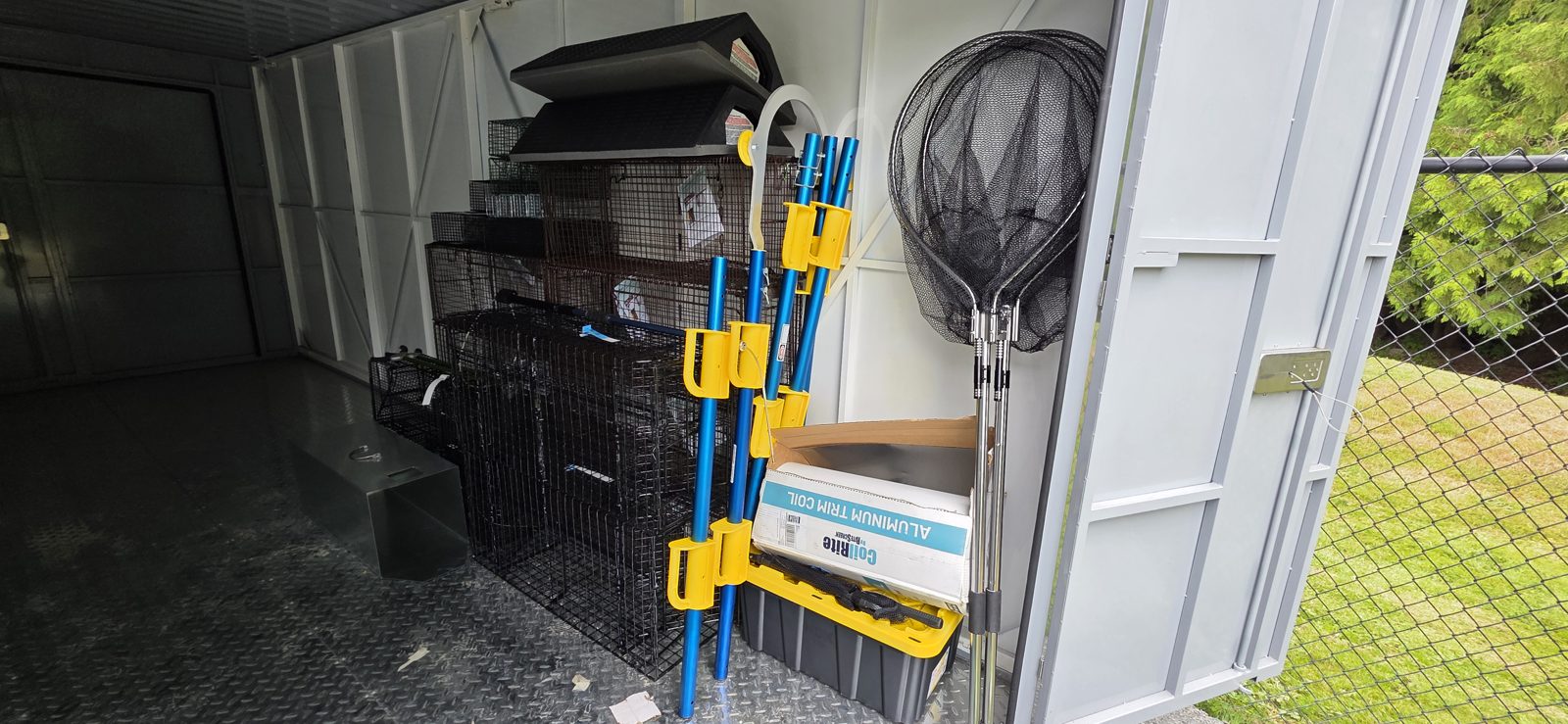
What is wildlife control work?
Removal, exclusion and damage management for raccoons, squirrels, bats, snakes, birds and other vertebrates.
Key factMainly the state wildlife agency, not the pesticide programme — but the line moves by state. Some states license wildlife control operators, some license nobody, and in several the structural pest control law still covers pesticide use, rodents or birds. Getting this line wrong is the most common mistake when adding wildlife work.
Thinking about wildlife control? Ask the people doing it every day in the LTK Discord.
Ask on Discord(opens Discord in a new tab)What the job is really like
Wildlife control is the part of pest work that deals with animals that have a backbone: raccoons, squirrels, skunks, opossums, bats, snakes, birds and the rest. You inspect a building, work out how the animal got in, remove it by the methods the law allows, then seal the building so it cannot get back in. Much of the money is in that last step, the exclusion and repair work. Most of the rules come from the state wildlife agency, not the pesticide programme, and they change a lot from one state to the next. Some states license wildlife control operators, some license nobody, and some still pull parts of the work under the structural pest control law. The job suits people who are comfortable on ladders and roofs and in attics, who can handle a live, frightened animal calmly, and who like solving a different puzzle at every house. It does not suit anyone who wants a fixed route and regular hours. Animals keep their own schedule.
A typical day starts with checking traps set on earlier jobs. Where traps are allowed, many states require you to check them at least once a day. California, for example, requires daily trap visits, and Florida requires live traps to be checked at least every 24 hours. So the first part of the morning is often a loop of stops to see what was caught, deal with each animal the way your state allows, and reset or pull the trap.
New jobs start with an inspection. You walk the outside of the building and look at the roofline, soffits, vents, chimney, foundation and any gap where two building materials meet. Then you go into the attic or crawlspace to find droppings, nesting material, damaged insulation and the routes the animal uses. With bats you may come back at dusk to watch where they leave the building. The federal bat guidance for operators calls this an evening emergence survey and notes that bats can use any gap a quarter inch or wider.
Then you sell the job. You explain to the customer what is getting in, how you will remove it, what has to be sealed, what that costs, and what you cannot legally do. Customers often want an animal moved to the woods. In many states that is restricted or illegal: South Carolina says routine relocation is against state law, Washington needs a permit to release off the property, and Florida allows it only under narrow conditions. Saying no clearly, and explaining why, is a large part of the job.
Afternoons are often exclusion work: fitting one-way doors, sealing gaps with metal flashing or mesh, capping chimneys, screening vents, and repairing the damaged trim, siding or roof edges the animal used. That means ladders, roof work and hand tools for hours at a time. Some jobs end in the attic, removing droppings or contaminated insulation, which carries real disease risks (see hazards).
The week has emergencies in it. A bat in a bedroom, a snake in a kitchen, or an animal stuck in a wall does not wait for the route, so many operators take evening or weekend calls. Paperwork is ongoing too. Several states make you keep logs or file reports. Washington wants an annual activity report by April 20, Texas wants monthly reports for relocated fur-bearers, and New York makes licensees upload their annual log at renewal.
The year has its own rhythm. Bat work is shaped by the maternity season. The federal guidance for operators says not to evict or exclude bats during that season unless there is a public health threat, and to treat it as April 1 to August 31 when there is no state-specific guidance. Bird nesting season and the breeding seasons of other species shape when certain work can be done humanely and legally.
Daily duties
- Inspect buildings inside and out to find entry points, damage and signs of the animals present.
- Identify species from sightings, droppings, tracks, damage and sounds, because the species decides which rules apply.
- Check whether the species is protected, needs a state permit, or is off limits to private operators in your state.
- Write estimates and explain removal, exclusion and repair options to customers in plain terms.
- Set and check live traps and other permitted capture devices within the check intervals your state requires.
- Handle, transport, release or euthanize animals only as state law allows, using humane methods.
- Install one-way doors and exclusion devices for bats and other animals outside restricted seasons.
- Seal entry points with durable materials such as metal flashing, hardware cloth and chimney caps.
- Repair damaged trim, vents, soffits and roof edges where the animal got in, as far as your company's scope allows.
- Remove droppings, latrines, nesting material and contaminated insulation using the right protective equipment.
- Decontaminate tools and gear after bat work to avoid spreading the fungus that causes white-nose syndrome.
- Keep trap logs, capture records and the reports your state requires.
- Take emergency calls for animals inside living spaces.
- Work safely on ladders and roofs and in attics and crawlspaces.
Work environment
- Schedule
- BLS says pest control workers mostly work full time and that evening and weekend work is common. In wildlife work, trap-check rules and emergency calls push this further: if your state requires daily trap checks, someone has to run them every day while traps are set, weekends included. Ask employers how trap checks and after-hours calls are shared and whether they are paid as overtime or on call.
- Seasons
- Seasons shape what you can do as well as how busy you are. Bat exclusions are restricted during the maternity season (the federal operator guidance uses April 1 to August 31 when a state has no specific dates) and should not be done in winter where bats hibernate in the building. Florida writes its bat dates into rule: no exclusion devices from April 16 through August 14. Birds protected under the Migratory Bird Treaty Act have nesting-season limits. Spring and fall are often the heaviest periods for exclusion work, but no BLS or extension source was found that measures wildlife-call volume by season.
- Physical
- BLS notes that pest control workers often kneel, bend and crawl in tight spaces and work in all weather. Wildlife work adds extended ladder and roof time, carrying traps and materials, attic heat and handling animals that bite and scratch. O*NET reports that 81% of pest control workers surveyed work outdoors in all weather every day.
- Hazards
- Falls from ladders and roofs are the most obvious danger. OSHA's construction standard requires fall protection at 6 feet above a lower level and its general industry standard at 4 feet. Ask which applies to your work and what fall protection your employer provides. Disease is the less obvious one. CDC lists disturbing accumulations of bird or bat droppings as a high-risk activity for histoplasmosis, a fungal lung infection. Raccoon latrines can carry raccoon roundworm. CDC says the eggs become infectious 2 to 4 weeks after they are passed, and contaminated material should be removed carefully and burned, buried or sent to a landfill. Rodent droppings and nests need safe cleanup methods because of hantavirus risk. Rabies is the other major risk. CDC's 2022 rabies vaccine recommendations put people who handle wildlife reservoir species, including trappers and animal control officers, in an elevated-risk category, and people who frequently handle bats or enter high-density bat environments in a higher category with antibody checks every 2 years. Ask employers whether they pay for pre-exposure rabies vaccination.
- Vehicle and travel
- You drive between jobs all day. O*NET reports that 95% of pest control workers surveyed spend time in an enclosed vehicle every day. Wildlife trucks carry ladders, traps and exclusion materials, and you may be moving live animals. Transport is itself regulated in some states. In Texas, carrying a live fox, skunk, coyote or raccoon is illegal unless you hold TPWD authorization for nuisance fur-bearer relocation or a TDA pest control licence, and even then there are release distance rules. Check your state's rules before you put an animal in the truck.
How people get in
Often from general pest, often from trapping or hunting backgrounds, sometimes straight in. Bat work in particular has hard seasonal legal restrictions you learn before anything else.
Training and licensing
Getting hired
BLS lists a high school diploma or equivalent as the typical entry education for pest control workers, plus moderate-term on-the-job training. Wildlife permits add their own conditions. Washington requires WCOs to be at least 18, to pass a trapper education exam, to have two years' documented experience, and to be legally able to possess a firearm with no felony or domestic violence conviction, and WDFW runs a background check at each renewal. New York requires NWCO applicants to be at least 18. Because the work is mostly driving, expect employers to check your driving record, but no source was found that sets a standard for this.
Learning on the job
Most people learn on the job alongside an experienced operator. O*NET rates pest control work as needing anywhere from a few days to a year of on-the-job training. In wildlife work the learning curve includes species identification, the legal status of each species in your state, trap use, humane handling and euthanasia, ladder and roof safety, and exclusion carpentry. Structured courses exist. NWCOA's Wildlife Control Operator Training Course is a two-day course covering bats, birds, squirrels and other common species, animal biology, handling, euthanasia, inspection and safety. The National Wildlife Control Training Program offers online training, including state-specific versions for several states.
Licensing
There is no single national licence. The pattern varies by state, so check your state's wildlife agency first and then the state pesticide agency. - Some states license or certify wildlife control operators directly. New York's NWCO licence needs an exam passed at 80% or higher, costs $50 for a commercial licence, and runs October 1 to September 30. Washington's WCO certification needs a course, an exam at 90% or higher, two years' experience and renewal every three years. - Some states have no operator licence at all. Texas and Florida's wildlife agency license nobody for general nuisance work, and South Carolina works through free 30-day depredation permits instead. - Some states regulate through a trapping licence. California requires a CDFW trapping licence for anyone trapping for profit, with a knowledge and skills test. - Almost every state has species you may not touch without a separate permit, such as deer, bear, protected and endangered species, and migratory birds. - The pesticide law still reaches part of the work. Any pesticide, fumigant or rodenticide use needs the state pesticide licence. In some states rodent work, bird work or work in structures falls under the structural pest control law even without pesticides. California's exemption for live capture and exclusion does not cover rats, mice or pigeons, and Florida needs an FDACS certificate for trappers who handle commensal rodents in structures. The site's state wildlife pages set out the verified details for Texas, Washington, Florida, California and South Carolina. This guide is not legal advice.
Certifications worth knowing
NWCOA Certified Wildlife Control Operator (via the Wildlife Control Operator Training Course)
National Wildlife Control Operators Association (NWCOA)
Two-day course covering bats, birds, squirrels and other common species, animal biology, handling, euthanasia, inspection and safety. Completion carries use of the Certified Wildlife Control Operator logo. NWCOA's page does not state exam details, cost or renewal terms.
Certified Wildlife Control Professional (CWCP)
National Wildlife Control Operators Association (NWCOA)
Senior credential. Needs 5 years and 10,000 hours of WCO experience (or 10,000 hours over 8 years part time), two NWCOA certifications or one plus two Wildlife EXPOs or a related degree, an 85% exam score, a code-of-ethics pledge and an application fee of $100 for members or $200 for non-members.
National Wildlife Control Training Program (NWCTP) course and exam
National Wildlife Control Training Program, listed by the Internet Center for Wildlife Damage Management
Online training with a 130-question exam. State versions exist for Delaware, New York, Oklahoma, Virginia, West Virginia and Tennessee. New York DEC accepts the NWCTP exam route (fee $200) as an alternative to its own free exam.
State wildlife operator licence or certification (where one exists)
Your state wildlife agency, e.g. NYSDEC or WDFW
The legal permission to do the work in states that license it. Requirements, fees and renewal differ by state.
- In plain words
- Mainly the state wildlife agency, not the pesticide programme — but the line moves by state. Some states license wildlife control operators, some license nobody, and in several the structural pest control law still covers pesticide use, rodents or birds. Getting this line wrong is the most common mistake when adding wildlife work.
- Government pay data
- Not tracked as its own job by the Bureau of Labor Statistics
Skills and tools
- Species identification from sign, not just sightings
- Knowing and following your state's wildlife rules, and knowing when to call the agency
- Calm, humane animal handling
- Ladder, roof and attic safety
- Basic carpentry and building-envelope knowledge for exclusion and repair
- Inspection discipline: finding every entry point, not just the obvious one
- Explaining limits to customers, especially why an animal cannot simply be relocated
- Accurate record keeping for trap logs and state reports
- Using protective equipment correctly around droppings, latrines and nests
- Extension and step ladders, with ladder stabilizers and roof safety gear
- Fall protection harness and anchors where required
- Live cage traps and other capture devices your state permits
- Catch poles and snake tongs or hooks
- Bite-resistant gloves
- One-way exclusion doors, cones and tubes for bats and other animals
- Hardware cloth, metal flashing, vent screens and chimney caps
- Sealants and fasteners suited to exterior use
- Flashlight, inspection mirror and camera for documenting entry points
- Respirator, disposable coveralls and eye protection for droppings and insulation work
- Disinfectants and decontamination supplies for bat and latrine work
- Trap tags or stamped trap numbers where the state requires them
- Truck with ladder rack and secure animal transport space
Career path
- 01Helper or traineeRiding with an experienced operator, carrying ladders, learning species and state rules, doing trap checks and cleanup. In states that license WCOs you may work under someone else while you build the experience the licence needs.
- 02Licensed or certified operatorRunning your own inspections and jobs. In licensing states this is when you pass the exam and hold your own licence or certification.
- 03Exclusion and repair specialistMany operators move toward the exclusion and repair side, which is skilled building work and often the larger part of the invoice.
- 04Senior operator or credentialed professionalHandling complex jobs such as large bat colonies, commercial buildings and difficult species. NWCOA's CWCP is set at 5 years and 10,000 hours of experience.
- 05Supervisor, trainer or managerTraining new hires, managing crews and keeping the company compliant with wildlife and pesticide rules.
- 06Owner-operatorMany wildlife businesses are small. Owning one means handling permits, insurance, sales and scheduling as well as the field work.
Pay and benefits
The Bureau of Labor Statistics doesn’t track this field as its own job, so these are the national numbers for pest control workers — the closest published benchmark, not this field’s own pay.
- $45,250Median annual pay · $21.75/hr source (BLS, opens in a new tab)
- $34,680–$61,890Lowest 10% to highest 10% of earners source (BLS, opens in a new tab)
- +6%Projected job growth 2025–2035 (all jobs: 3%) source (BLS, opens in a new tab)
- 13,700Openings projected each year, on average source (BLS, opens in a new tab)
$44,930 median inside exterminating and pest control services
$50,980 median across all US occupations
What these numbers leave out
- Self-employed workers — so owner-operators are absent entirely
- Overtime premium pay, shift differentials and non-production bonuses (commissions and production bonuses are included)
- Seasonal variation (annual figures assume 2,080 hours)
Real route pay depends on commission, truck and tool allowances and overtime. Compare notes in the Discord.
BLS does not publish pay for wildlife control operators as a separate occupation. Operators employed by pest control companies are most likely counted under pest control workers (SOC 37-2021). For that occupation the median annual wage was $45,250 in May 2025 ($21.75 an hour). The lowest 10% earned less than $34,680 and the highest 10% more than $61,890. These figures leave out self-employed workers, which matters in a field with many owner-operators, and they do not show overtime, commission or seasonal swings. Ask employers how pay is structured: hourly, per job, commission on exclusion sales, or a mix, and how after-hours calls and trap checks are paid.
Benefits
No benefits data exists for wildlife control specifically. The closest BLS benchmark is the National Compensation Survey for private industry workers in service occupations, the group that includes pest control workers. In March 2026, 47% of those workers had access to employer medical care benefits, 47% to retirement benefits, 67% to paid sick leave, 57% to paid vacation and 56% to paid holidays. Across all private industry workers the figures were 71% for medical care, 72% for retirement, 81% for paid sick leave, 80% for paid vacation and 81% for paid holidays. Ask employers directly about health insurance, retirement, paid leave, whether they supply the truck and fuel, whether they pay for licences, training and pre-exposure rabies vaccination, and how on-call time is paid.
State-by-state licensing
Wildlife and bird work is regulated mainly by each state’s wildlife agency, and bird work also falls under federal law. But the line with pest control licensing moves by state: in Texas, Florida and California the structural pest control law reaches parts of this work even without pesticides. Each state card below says where the line falls.
Checked against each agency, statute or federal regulation on September 25, 2026. Rules change — confirm with the agency before you take a job.
- Tap your state for the details.
TexasNo state licence for this workTX
Texas Parks and Wildlife Department (TPWD), Wildlife Division. Texas Department of State Health Services (DSHS) sets the rabies transport rules. Texas Department of Agriculture (TDA) Structural Pest Control Service licenses any part of the work that falls outside the statutory exemptions. Agency page (opens in a new tab)
Texas has no general state licence or certification for commercial nuisance-wildlife operators. Landowners or their agents may take nuisance fur-bearers on that land without a hunting or trapping licence. To trap and relocate nuisance fur-bearers you need authorization from TPWD and from the owner of the release property.
- Relocation needs TPWD authorization plus permission from the owner of the property where the animal is released.
- When you relocate animals, send TPWD a monthly report: the number and kind of fur-bearers captured, the release site, and the name and address of the person authorized to release them.
- TPWD publishes no fee, exam or renewal cycle for nuisance-wildlife work.
Watch for
- Nobody may possess or sell nuisance fur-bearers or their pelts (31 TAC 65.381(d); Parks & Wildlife Code 71.004).
- Rabies quarantine (DSHS): transporting any live fox, skunk, coyote or raccoon is illegal, a Class C misdemeanor. Exempt only while on official duty: entities with TPWD authorization for nuisance fur-bearer relocation, and pest management professionals licensed by TDA. Exempt carriers releasing these animals must release them within 10 miles of the capture site (or within 10 miles of the city limits where captured) and in the county of capture.
- Bats (Parks & Wildlife Code 63.101): you may not hunt bats, or buy, sell or possess bought bats. A bat may be removed or hunted if it is inside or on a building occupied by people. The section does not apply to a person licensed to provide pest control services.
- Falconers who hold a Texas falconer's permit and use a raptor to control or relocate other birds are outside the structural pest control law (Occupations Code 1951.057).
Pesticide licence too: Yes, for some work. Texas defines the 'business of structural pest control' to include controlling rodents, nuisance birds and 'any other obnoxious or undesirable animals' in structures with pesticides, rodenticides, fumigants or mechanical devices (Occupations Code 1951.003). Section 1951.058 exempts only work done WITHOUT pesticides: using a raptor to control or relocate birds, live-trapping an animal off a residence, farm or business, and installing or maintaining non-pesticide barriers against nuisance animals. So any pesticide, rodenticide or fumigant use needs a TDA structural pest control licence. Kill-trapping (snap or body-gripping traps) is not listed in the 1951.058 exemptions, so confirm with TDA before relying on it without a licence.
Before you rely on this: We could not verify a bat-exclusion season in TPWD rules, and state-listed bat species may need separate TPWD authority. Confirm with TPWD before bat work.
- TPWD Outdoor Annual: Nuisance Fur-bearing Animals
- Tex. Parks & Wildlife Code ch. 71 (71.004 prohibited acts; 71.005 licences)
- Tex. Parks & Wildlife Code 63.101 Protection of bats
- Tex. Occupations Code ch. 1951 (1951.003, 1951.057, 1951.058)
- DSHS Statewide Wild Animal Transport Restrictions (25 TAC ch. 169; Health & Safety Code ch. 826)
WashingtonWildlife Control Operator (WCO) certification. A separate WDFW special trapping permit is needed to use body-gripping traps.WA
Washington Department of Fish and Wildlife (WDFW). Washington State Department of Agriculture (WSDA) handles pesticide licensing. Agency page (opens in a new tab)
Anyone who traps, harasses or otherwise controls wildlife on someone else's property for a fee. WAC 220-440-110(4) makes this unlawful without a WCO certification.
- At least 18 years old.
- Pass the Washington State trapper education exam and have at least two years' documented experience. Accepted evidence includes two years holding a trapper's licence, a recommendation letter from a certified WCO or trapper, or two years' employment in wildlife abatement.
- Pass the WDFW WCO basic certification course. Classes run online twice a year, usually March and August, and last about 4 to 5 hours. The end-of-class exam needs a score of at least 90%.
- Must be legally able to possess a firearm, with no felony or domestic-violence conviction. In the past three years: no more than one Chapter 77.15 RCW infraction and no fish-and-wildlife crime conviction.
- Enrollment fee: $50 per certification. WDFW says renewal currently has no fee.
- Certification lasts 3 years. WDFW runs a criminal background check at each renewal.
- Annual report of all WCO activity due by April 20 each year, even if nothing was trapped (WAC 220-440-120).
- No trapping licence is needed to work as a WCO. Without one, trapped animals must be released on site or euthanized. A trapping licence is required to keep fur.
Watch for
- WCOs may not handle deer, elk, cougar, bear, moose, wolf, bighorn sheep, mountain goats, turkeys, or protected or endangered wildlife.
- Species WCOs may handle (WDFW FAQ): raccoon, fox, bobcat, beaver, muskrat, mink, river otter, weasel, hare and cottontail rabbits. Also predatory birds (as defined in WAC 220-400-030) and unclassified wildlife such as eastern gray squirrels, yellow-bellied marmots, coyotes and nutria.
- Trapped animals must be released on site or euthanized and properly disposed of. Releasing an animal off the property where it was caught needs a WDFW permit, except beaver released under RCW 77.32.585 (WAC 220-440-110(3)).
- Body-gripping traps need a special trapping permit, and WDFW requires live traps and other non-lethal methods to be tried first.
- Air guns are not firearms and may not be used to euthanize trapped wildlife (WDFW FAQ).
- Bats: WDFW guidance (not a rule) says to exclude bats only from mid-August to mid-October, or in early spring before the May birthing period. Never trap flightless young. Do not use naphthalene or mothballs.
Pesticide licence too: Yes, if pesticides are applied for hire. WSDA commercial applicators must be certified in each classification they work in (WAC 16-228-1545). 'Pest control operator – General' covers insects, spiders, birds, rodents and animal pests in and around buildings but excludes fumigants. 'Vertebrate pest control' covers outdoor vertebrate control, also without fumigants. 'Space (nonsoil) fumigation' is needed for fumigants used against rodents or other pests.
Before you rely on this: The bat exclusion windows above are WDFW guidance, not rule text.
FloridaNo state licence for this workFL
Florida Fish and Wildlife Conservation Commission (FWC). Florida Department of Agriculture and Consumer Services (FDACS) handles pest-control licensing under Chapter 482, F.S. Agency page (opens in a new tab)
FWC does not license nuisance wildlife trappers. They may register voluntarily to appear on FWC's Wildlife Trapper List. A property owner may take nuisance wildlife or authorize someone else to do it (Rule 68A-9.010). Species-specific FWC permits apply (see restrictions). Trappers who control commensal rodents (rats, mice) in, on or under structures need an FDACS Limited Commercial Wildlife Management certificate. Its number starts with 'LW'.
- FDACS Limited Commercial Wildlife Management certificate (s. 482.157, F.S.): application and exam fee of $150 to $300 set by rule, a passing exam score, and proof of insurance meeting s. 482.071(4). It expires 1 year after issue. Renewal fee is $75 to $150, with 4 classroom hours of CE and proof of insurance. A $50 late fee applies after a 30-day grace period. If not renewed within 60 days, you must retake the exam.
- That certificate does not authorize pesticides or chemicals other than adhesive materials, running a pest control business, or supervising uncertified people.
- Live traps and snares must be checked at least every 24 hours (68A-9.010(2)(c)).
- All bird traps must be labeled with the FWC permit or registration number (or the rule exemption) plus the operator's name, address and phone (Rule 68A-16.006). People without a Chapter 482 licence or the listed FDACS certifications need an FWC permit to trap non-native nuisance birds. The commercial wildlife management limited certification is one of the listed exemptions.
Watch for
- These may not be taken as nuisance wildlife: species listed in Chapter 68A-27 F.A.C., black bear, deer, bobwhite quail, wild turkey, and any bird protected under the MBTA (50 CFR 10.13) unless USFWS has authorized it.
- Bats: take is allowed only incidental to exclusion devices or registered repellents from Aug 15 to Apr 15. It is also allowed during permanent repairs if an exclusion device has been in place for at least 4 consecutive days/nights with NWS-forecast lows above 50°F. No exclusion devices or anything that blocks bat entry or exit at a roost from Apr 16 through Aug 14.
- Bobcat: may be taken when causing or about to cause property damage or a public-safety threat, but a live-captured bobcat may not be euthanized and must be released.
- Prohibited methods: gun and light (unless permitted), steel traps (unless permitted), poison other than FDACS-registered pesticides used per label, and any method prohibited by s. 828.12, F.S.
- Disposition: release or euthanize within 24 hours of capture or trap inspection. Protected species and non-targets must be released immediately at the capture site.
- Release off the capture property is allowed only if the animal is a native species, the release site is in the county of capture and at least 40 contiguous acres, and you carry written permission from that property owner. Otherwise release only on the same contiguous property.
- Euthanasia must be humane as defined by the AAZV or AVMA.
- Transport is allowed only for euthanasia or lawful release, and does not override county rabies alerts or quarantines.
- Separate FWC permits exist for: possessing or transporting live venomous reptiles (captive wildlife permit), gun and light at night, steel traps, deer and bear depredation, protected species, feral mallard control, and Canada goose depredation.
Pesticide licence too: Yes. Chapter 482, F.S. defines 'pest control' to include using any pesticide or mechanical device against rodents, pest birds, bats or other pests in, on or under a structure, lawn or ornamental. 'Rodent' is defined to include squirrels, flying squirrels and bats (s. 482.021). Pesticide use needs an FDACS pest control licence or certification. The wildlife limited certificate (s. 482.157) covers only non-chemical control of commensal rodents. FWC Rule 68A-9.010 allows only FDACS-registered pesticides used according to the label.
Before you rely on this: Rule change pending: FWC noticed a July 2026 public hearing on amending the trapping rule (68A-9.010). Confirm the current text with FWC before you rely on these details.
- FWC: Nuisance Wildlife Permits
- FWC: FAQs Nuisance Wildlife
- Rule 68A-9.010 F.A.C. Taking Nuisance Wildlife (rule page)
- Rule 68A-9.010 F.A.C. current adopted text (eff. 7/27/2010)
- FWC: Bird Trap rule (68A-16.006 F.A.C.)
- s. 482.157, F.S. Limited certification for commercial wildlife management personnel
- s. 482.021, F.S. Definitions
- FDACS: Are wildlife trappers allowed to trap rodents and mice in my house?
CaliforniaCDFW Trapping License. CDFW describes it as issued to a person who traps fur-bearing or nongame mammals for pest control purposes.CA
California Department of Fish and Wildlife (CDFW). The Structural Pest Control Board (SPCB) licenses pest control in structures, and the Department of Pesticide Regulation (DPR) handles other pesticide licensing. Agency page (opens in a new tab)
Anyone providing trapping services for profit. Owners, tenants and their agents trapping under FGC 4152 or 4180 are exempt except when providing trapping services for profit (FGC 4005(c)). Exempt: SPCB-licensed structural pest control operators, and DPR-licensed or certified people, but only when trapping rats, mice, voles, moles or gophers (FGC 4005(e)).
- You must pass a test of knowledge and skill before a licence is issued (FGC 4005(b)).
- Fees for the July 1 to June 30 licence year: resident $160.94, nonresident $792.75, junior $54.33. These include a non-refundable 3% application fee capped at $7.50 per item.
- Register a trap number with CDFW and stamp or tag it on every trap. Common rat and mouse traps are exempt (14 CCR 465.5(f)(1), (g)).
- Visit traps at least once daily and remove all trapped animals (14 CCR 465.5(g)(2); FGC 4152(b), 4180(b)).
- No trap within 150 yards of a residence unless set by the person controlling the property, or by someone carrying the landowner's written consent (14 CCR 465.5(g)(3)).
- Anyone taking nongame mammals under FGC 4152 as an owner's agent must carry written permission from the owner or tenant.
- Raw fur taken while providing trapping services for profit may not be sold (FGC 4005(d)).
Watch for
- Trapped fur-bearers and nongame mammals must be immediately killed or released. Unless released, they must be killed by shooting where local ordinances, landowners and safety permit. Government employees may use chemical euthanasia (14 CCR 465.5(g)(1)).
- Nobody, including government employees, may use steel-jawed leghold traps, padded or not, on game, fur-bearing, nongame or protected mammals, dogs or cats. The only exception is government employees or their agents when it is the only way to protect human health or safety (FGC 3003.1(a)(3)).
- Body-gripping traps may not be used for recreation or commerce in fur (FGC 3003.1(a)(1)). Conibear traps, snares, cage and box traps, nets, suitcase-type live beaver traps and common rat/mouse traps may be used for purposes unrelated to fur, such as property protection, under the conditions in 14 CCR 465.5(g).
- FGC 4152 does not apply to bobcats. Separate CDFW regulations govern bobcats, black bear, beaver, deer, elk, wild pig, wild turkey and gray squirrels causing damage.
- Nongame birds and mammals may not be taken except as provided. English sparrow, starling, coyote, weasels, skunks, opossum, moles and rodents may be taken year-round in any number, excluding tree and flying squirrels, fur-bearers, and listed species (14 CCR 472(a)).
- The SPCB exemption for live capture and exclusion does not exempt anyone from the California Endangered Species Act (FGC ch. 1.5, s. 2050 et seq.).
Pesticide licence too: Yes, for some work. People who live-capture and remove, or exclude, vertebrate pests from a structure without pesticides are exempt from the Structural Pest Control Act if they carry insurance per B&P 8692 (B&P 8555(g)). 'Vertebrate pests' there includes bats, raccoons, skunks and squirrels but NOT mice, rats or pigeons. So rat, mouse and pigeon work in or on structures, and any pesticide use in structures, falls under SPCB licensing (B&P 8505).
Before you rely on this: The rule says trapped animals must be immediately killed or released, so treat on-site release as the safe practice. The CDFW material we verified sets out no bat-exclusion rules; ask CDFW before bat work.
- CDFW: Trapping License
- CDFW: California Trapping Laws and Regulations (rev. 5/1/2025) — includes FGC 3003.1, 4005 and 14 CCR 465.5, 472
- Cal. Fish & Game Code 4005
- Cal. Fish & Game Code 3003.1
- Cal. Fish & Game Code 4152
- Cal. Fish & Game Code 4180
- Cal. Bus. & Prof. Code 8555 (exemptions incl. (g) live capture/exclusion)
- Cal. Bus. & Prof. Code 8505 (definition of structural pest control)
South CarolinaSCDNR depredation permit (special permit to capture destructive wildlife, SC Code 50-11-2570). South Carolina has no WCO licence. SCDNR keeps a voluntary Wildlife Control Operators referral list.SC
South Carolina Department of Natural Resources (SCDNR). Clemson University Department of Pesticide Regulation handles pesticide licensing. Agency page (opens in a new tab)
SCDNR says control of wildlife damage is the property owner's responsibility. A depredation permit is required for anyone trapping or shooting wildlife during the closed season. No permit is needed when the owner or their designee captures fur-bearers or squirrels within 100 yards of the owner's home when the animal is damaging the home or property.
- Depredation permits are free from any SCDNR Wildlife Management or Law Enforcement office.
- Permits last 30 days (1 year for beaver) and can be renewed.
- Anyone taking fur-bearers under a depredation permit must report the number and type of animals to SCDNR within 21 days after the permit expires (50-11-2570(C)).
- SCDNR sets no exam, training, fee or renewal requirement for wildlife control operators.
Watch for
- Animals caught under the 100-yard exemption must be destroyed, or relocated only with an SCDNR permit (50-11-2570(B)). SCDNR's WCO list states routine relocation is against state law and that no listed WCO is permitted to relocate captured wildlife.
- Fur-bearers taken under a depredation permit may not be disposed of commercially (50-11-2570(C)). SCDNR says no sales, transfers or trades of pelts, parts or whole animals.
- Federally protected birds may need additional permits.
- SCDNR says there are no registered poisons for squirrels, and any such use violates state and federal law.
- Bats (SCDNR guidance): exclusion with one-way devices is the only effective removal method. Best times are early spring (March–April) or fall (August–October). Do not exclude from May through mid-July, when flightless pups would be trapped. SCDNR says there are no effective repellents or pesticides for bats. The federally listed northern long-eared bat may occur in the mountains.
Pesticide licence too: Yes, if pesticides are used. Clemson DPR requires a commercial applicator licence for anyone applying restricted-use pesticides, or any pesticide in Categories 3, 5, 6, 7A, 7B or 8, on another person's property for pay. A Pesticide Business License is needed to run a Category 7A (industrial, institutional, structural and health-related pest control) business: $150 business licence plus a $50 Designated Certified Applicator. Category 7B covers restricted-use fumigants.
Before you rely on this: The bat exclusion windows are SCDNR guidance, not rule text. Check with SCDNR whether trapping for hire also needs a fur or trapping licence.
Your state not here yet? Ask in the Discord — someone there already holds the permit.
The good and the hard
- Every job is a different puzzle, and good inspection skill is visible in the results.
- You fix the building as well as removing the animal, so the customer can see the work.
- The work is outdoors and active, not a desk or a fixed route.
- The skills carry into exclusion, bird work and running your own business.
- In many states the barrier to entry is low, so you can start small.
- Ladders, roofs, attics and heat are physically hard and carry real fall risk.
- Disease exposure is real: rabies, histoplasmosis, raccoon roundworm and rodent-borne illness.
- Trap checks and emergency calls make hours irregular, including weekends.
- The rules differ by state and by species, and getting them wrong can be a crime.
- Some customers want things you cannot legally do, such as moving animals off site or exterminating bats.
- Euthanasia is part of the work in many states, and it is not for everyone.
From the crew
Photos members posted in the LTK Discord, shared with the community’s okay. Browse the pest ID library.
- (opens full size in a new tab)
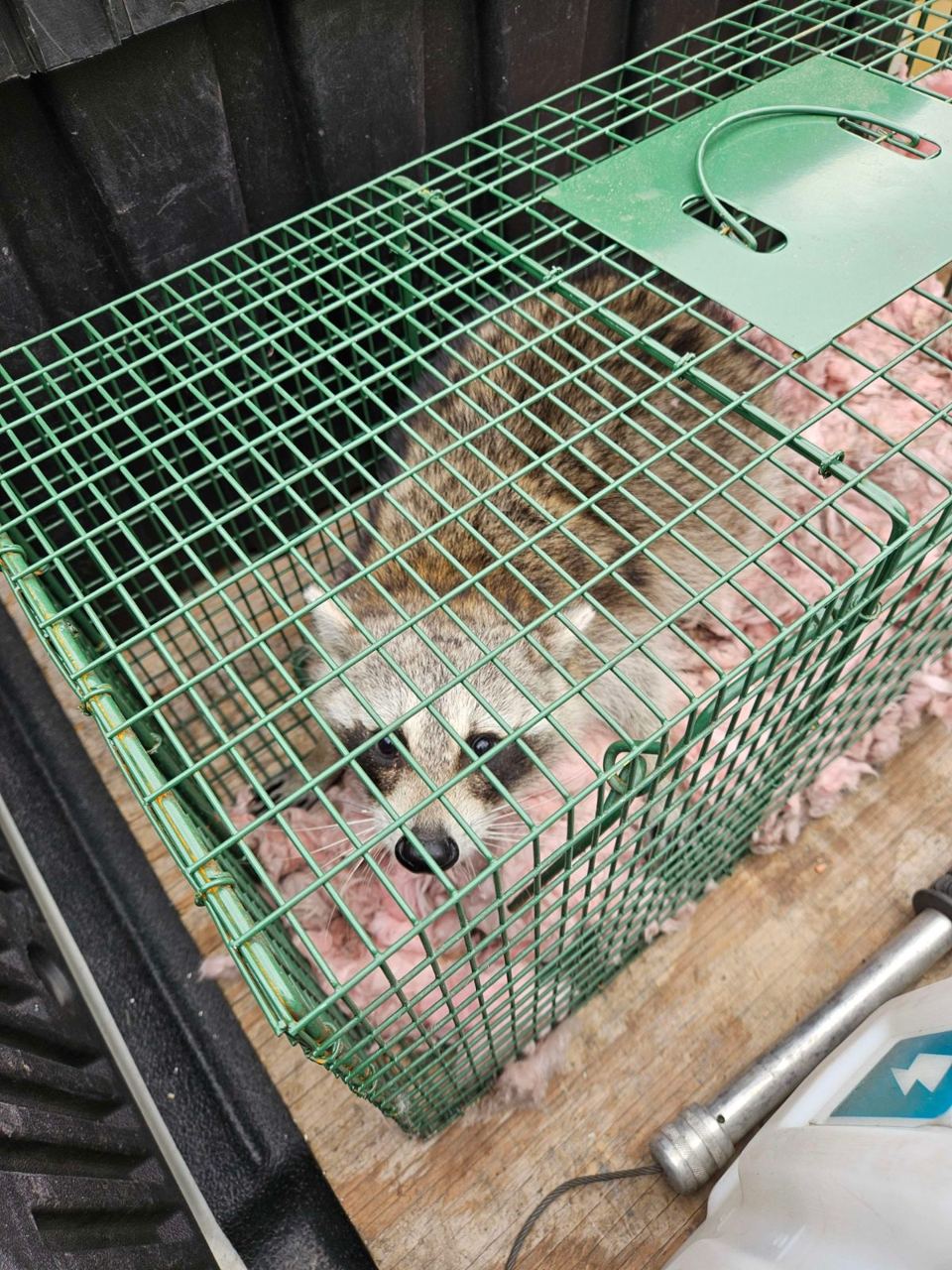
Juvenile raccoon in a cage trapLTK member · Mar 2025 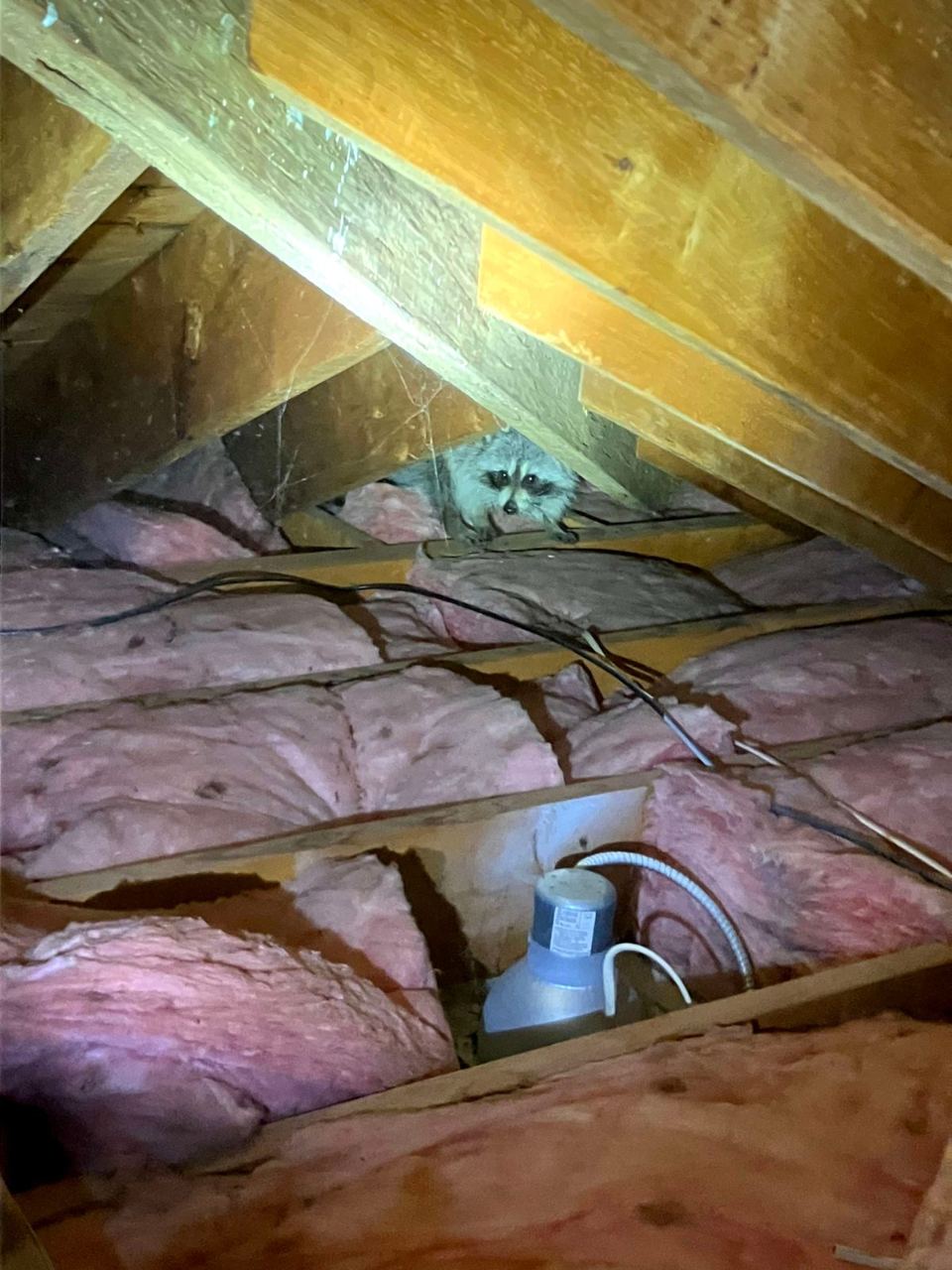 (opens full size in a new tab)
Raccoon hiding at the attic eaveLTK member · Mar 2025 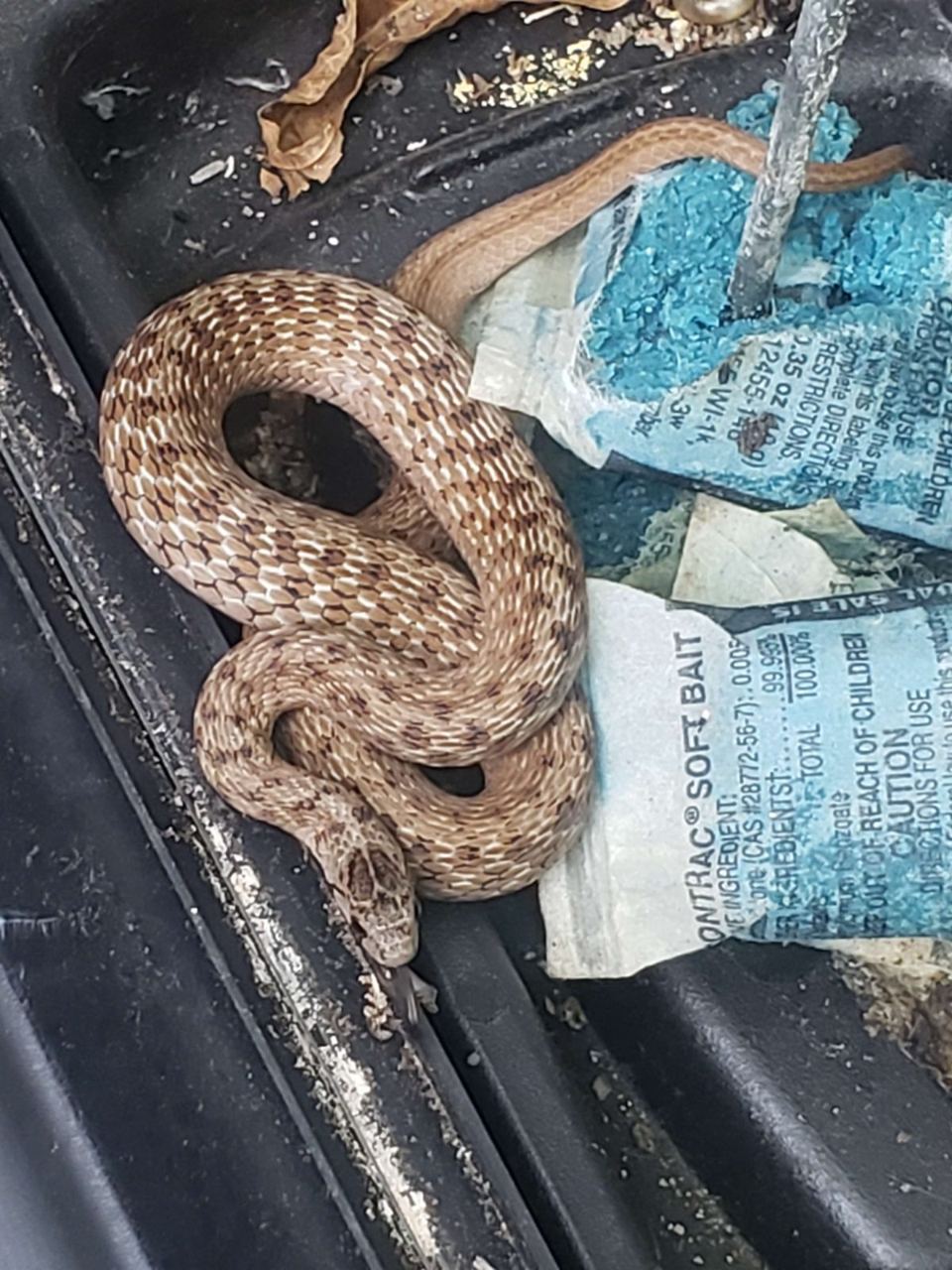 (opens full size in a new tab)
Snake found in a bait stationLTK member · May 2025 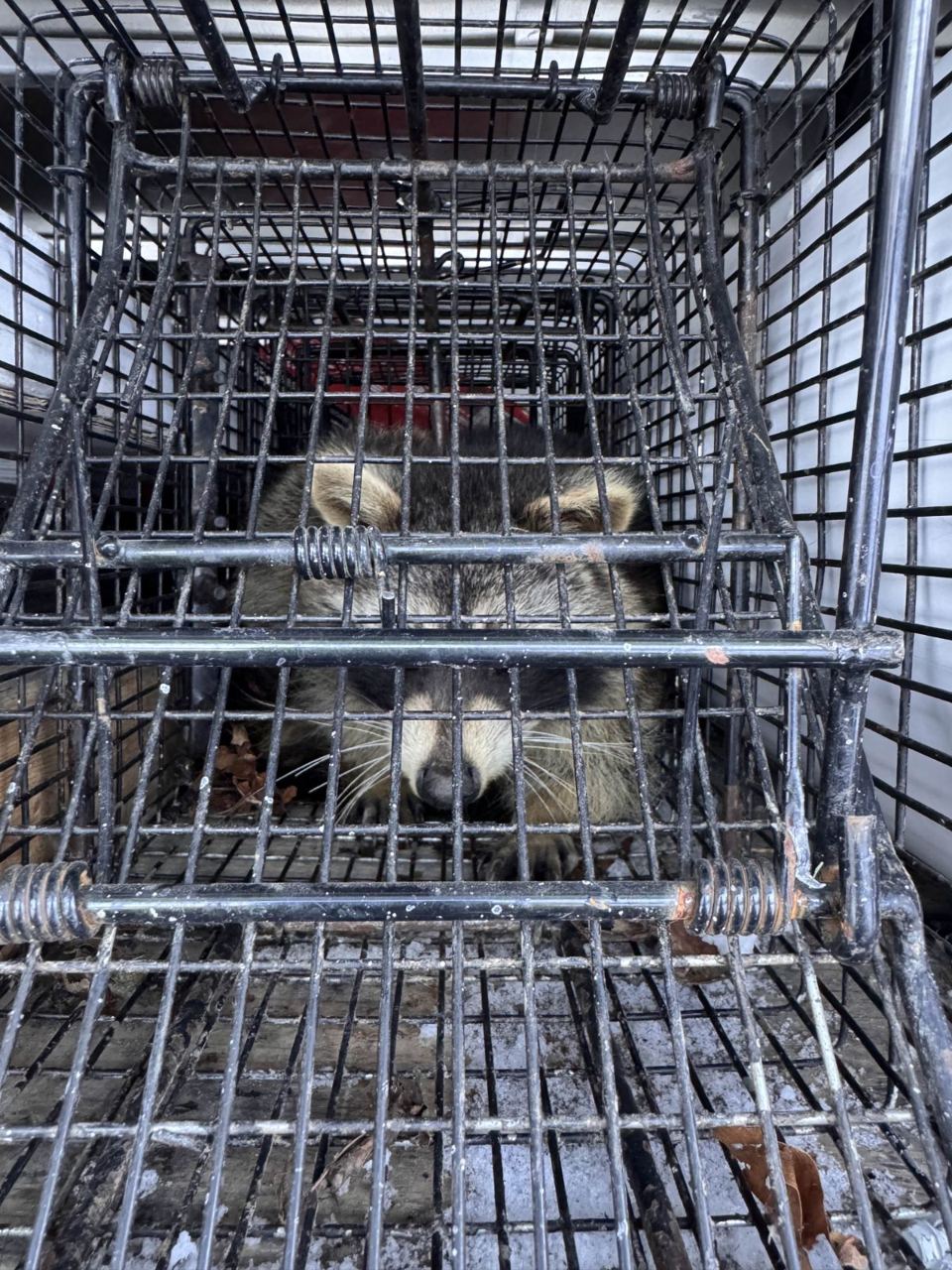 (opens full size in a new tab)
Raccoon behind cage meshLTK member · Jan 2026 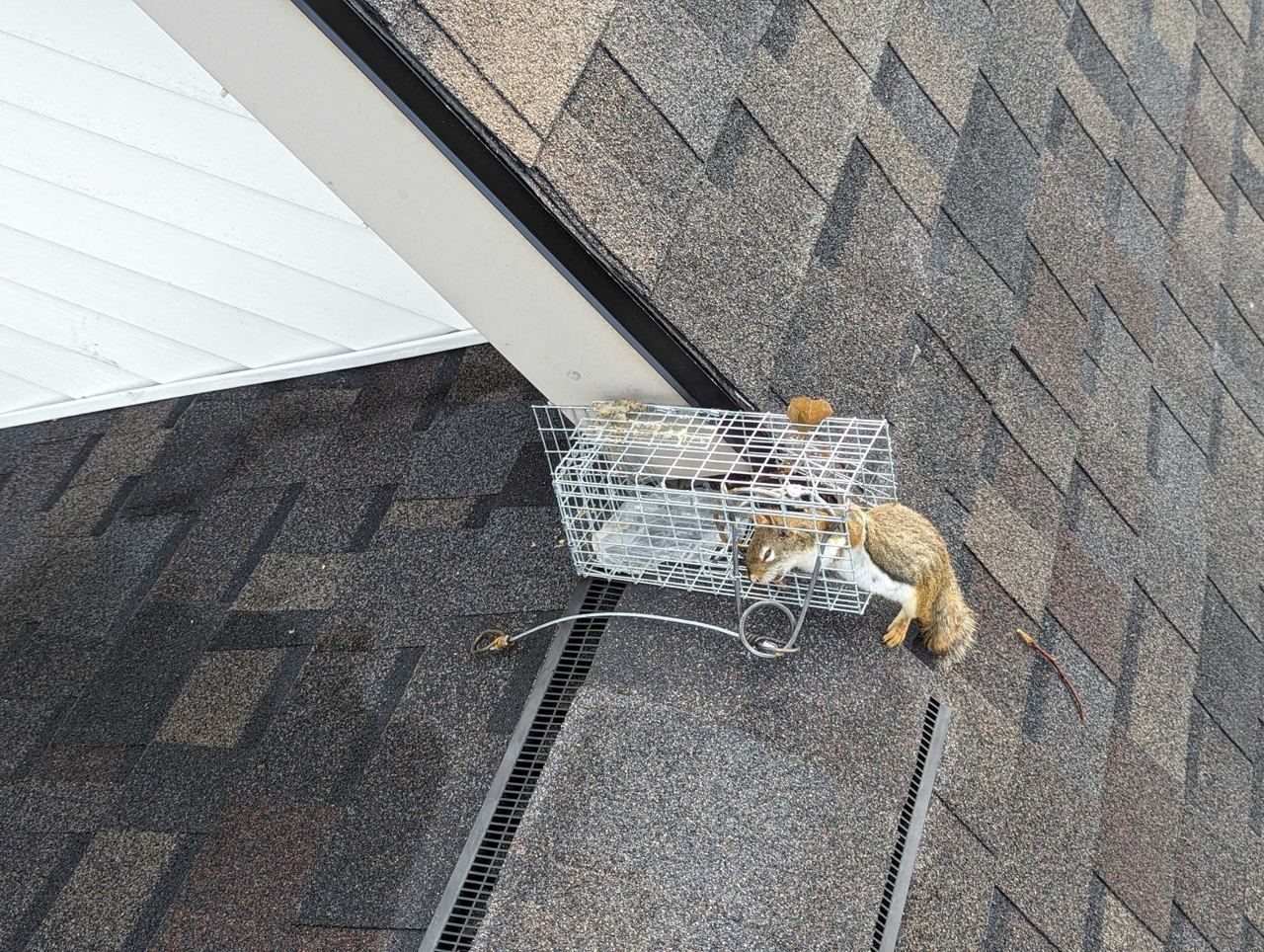 (opens full size in a new tab)
Squirrel caught on the roofLTK member · May 2025 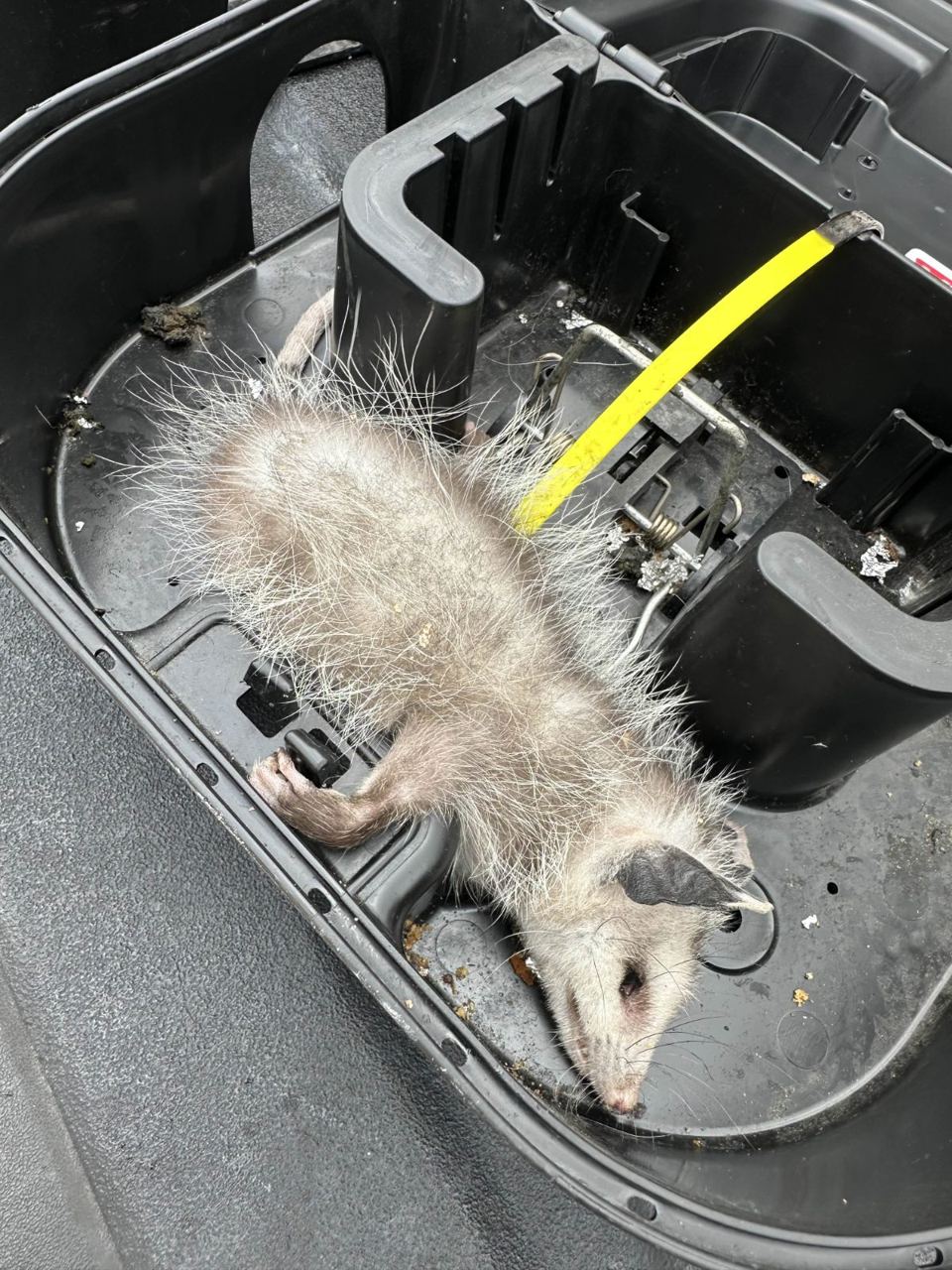 (opens full size in a new tab)
Opossum inside a trap stationLTK member · May 2025 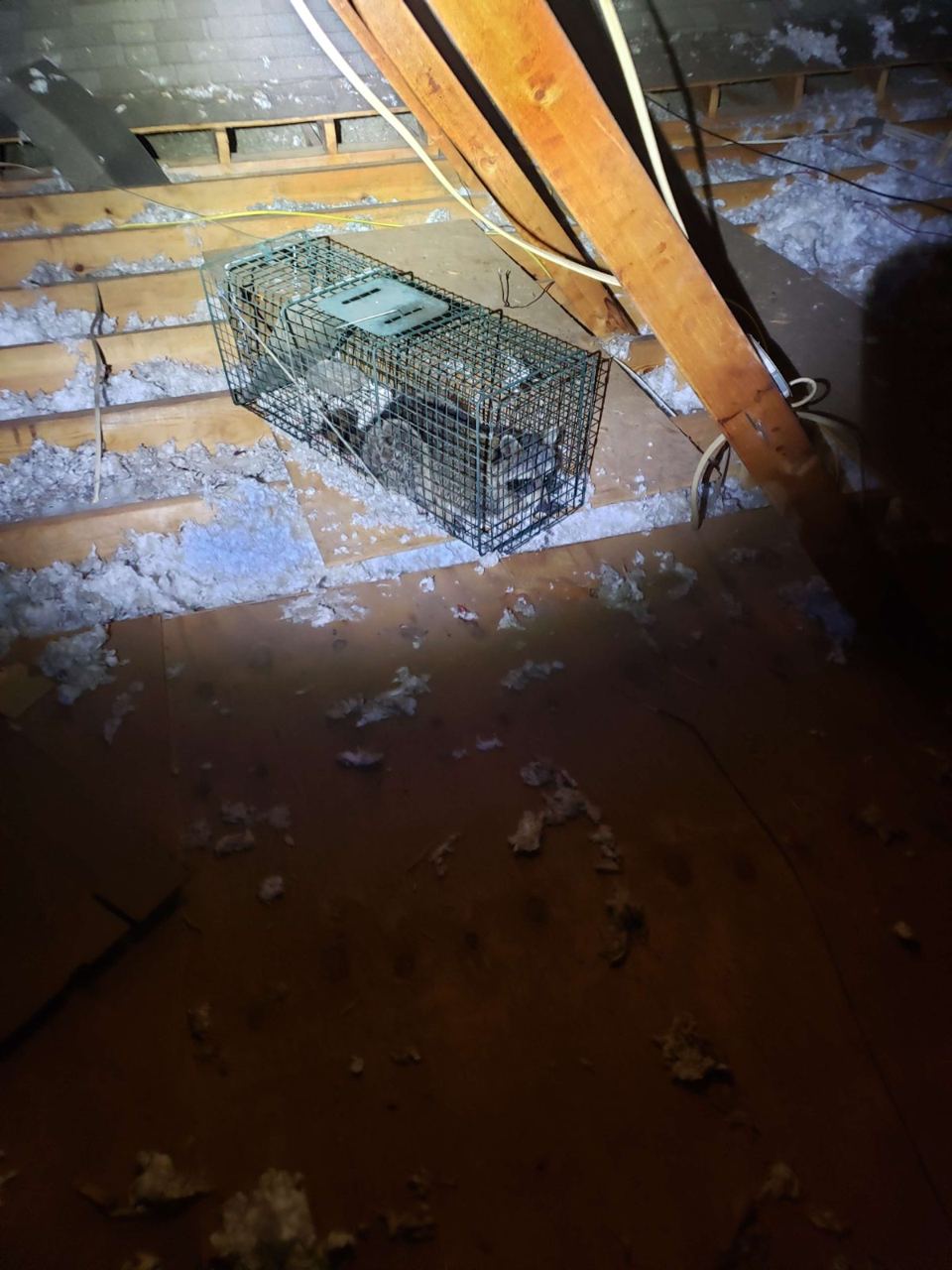 (opens full size in a new tab)
Attic cage trap under flashlightLTK member · May 2025 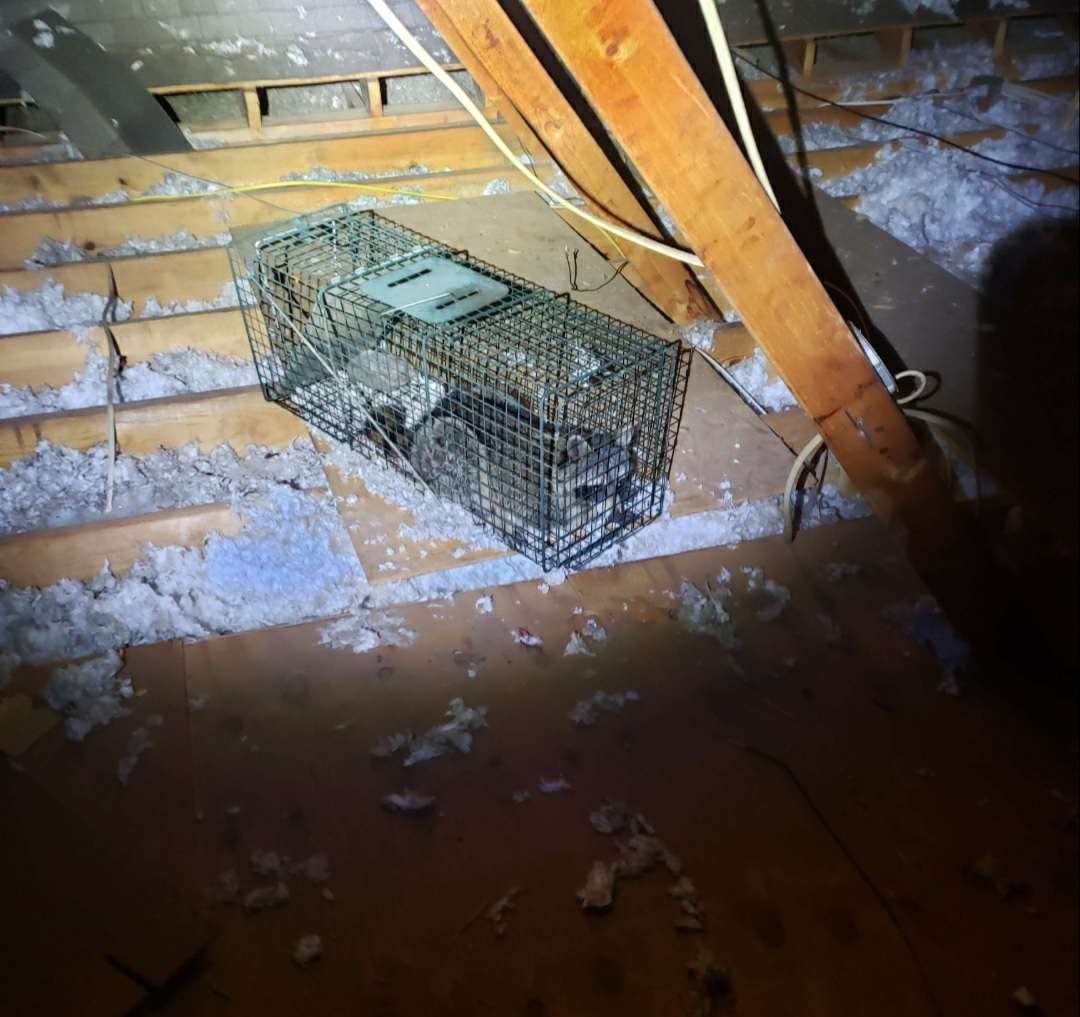 (opens full size in a new tab)
Attic trap set, wide viewLTK member · May 2025
Where it fits in a career
People usually arrive from
Questions people ask
+Do I need a licence to do wildlife control?
It depends on the state. New York and Washington license or certify operators directly. Texas has no general operator licence. California requires a trapping licence for anyone trapping for profit. Almost every state needs separate permits for some species, and any pesticide use needs the state pesticide licence. Check your state wildlife agency first, then the pesticide agency.
+Is my pest control licence enough?
Usually not on its own. The pesticide licence covers pesticides, while trapping and handling wildlife is regulated by the state wildlife agency. Some states do exempt pest control licensees from parts of the wildlife rules, such as Texas for bats and animal transport, so read your own state's rules.
+Can I relocate the animals I catch?
Often no. South Carolina says routine relocation is against state law. Washington needs a permit to release off the property where the animal was caught. California's rule says trapped animals must be immediately killed or released. Florida allows off-site release only under specific conditions. Check before you promise a customer anything.
+When can I do bat work?
Not during the maternity season, when flightless young are present, unless there is a public health threat. Federal guidance for operators uses April 1 to August 31 when your state has not set dates. Some states set their own, such as Florida's ban on exclusion devices from April 16 to August 14. Avoid winter exclusions where bats hibernate in the building.
+Should I get the rabies vaccine?
Talk to a doctor. CDC's 2022 recommendations put trappers and other people who handle wildlife reservoir species in an elevated-risk group for which pre-exposure vaccination applies, and people who frequently handle bats in a higher group with antibody checks every two years. Ask employers whether they pay for it.
+What certifications are worth having?
Your state's licence comes first where one exists. Beyond that, NWCOA's training course and certification and the National Wildlife Control Training Program are the main national options. NWCOA's CWCP is a senior credential that needs five years of experience.
+Can I deal with birds too?
Only within federal and state bird law. Most native birds are protected under the Migratory Bird Treaty Act. Starlings, feral pigeons and house sparrows are not. See the bird management guide and the site's federal bird rules.
+How dangerous is the attic cleanup side?
Take it seriously. CDC identifies disturbing bird and bat droppings as a high-risk activity for histoplasmosis. Raccoon latrines and rodent nests need careful handling. Use the respiratory protection and protective clothing your employer specifies, and ask what fit testing and training they provide.
Still deciding? Ask the people doing wildlife control every day in the LTK Discord.
Ask on Discord(opens Discord in a new tab)Sources
- BLS Occupational Outlook Handbook: Pest Control Workers
- O*NET OnLine: Pest Control Workers (37-2021.00)
- BLS National Compensation Survey, Employee Benefits, March 2026 (news release)
- BLS NCS Table 1: Retirement benefits, March 2026
- BLS NCS Table 2: Medical care benefits, March 2026
- BLS NCS Table 6: Paid leave benefits, March 2026
- NWCOA: Certified Wildlife Control Professional
- NWCOA: Wildlife Control Operator Training Course
- Internet Center for Wildlife Damage Management: Certification and Licensing for WCOs
- NYSDEC: Nuisance Wildlife Control Operator licence
- White-nose Syndrome Conservation and Recovery Working Group (USFWS), Acceptable Management Practices for Bat Control Activities in Structures: A Guide for NWCOs (2015)
- CDC MMWR: Use of a Modified Preexposure Prophylaxis Vaccination Schedule to Prevent Human Rabies (ACIP 2022)
- CDC/NIOSH: Histoplasmosis key points
- CDC: About Baylisascaris (raccoon roundworm)
- CDC: Hantavirus prevention
- OSHA 29 CFR 1926.501 Duty to have fall protection (construction)
- OSHA 29 CFR 1910.28 Duty to have fall protection (general industry)
- USDA APHIS Wildlife Services: Wildlife damage
Researched 2026-10-01. Licensing details change; confirm with your state agency before you rely on them.
