
Fields · Outdoor and public health
Mosquito and vector control
What is mosquito and vector control work?
Managing mosquitoes, ticks and other disease vectors — in private service and in public health districts.
Key factState licence; public-sector vector control adds a separate noncommercial or government applicator track.
Thinking about mosquito and vector control? Ask the people doing it every day in the LTK Discord.
Ask on Discord(opens Discord in a new tab)What the job is really like
Mosquito and vector control is really two careers that share a pest. On the public side, local governments and mosquito control districts run programs that the CDC describes as surveillance, removing standing water, killing larvae, spraying adult mosquitoes by backpack, truck or airplane when viruses are found, checking results, and teaching the public. The American Mosquito Control Association counts about 734 organized mosquito control organizations in the US. On the private side, pest control and lawn companies treat individual yards and businesses on a route. The stakes are real: the CDC calls West Nile virus the leading cause of mosquito-borne disease in the contiguous United States. Public work suits people drawn to biology, data, fieldwork and public service, and comfortable with early or late hours in season. Private work suits people who like route work, customers and being outdoors. The licences differ too: public programs often use a separate public health category, while private yard work usually runs through a state's general pest or lawn and ornamental licence. BLS does not track mosquito control as its own occupation.
In a public program, much of the job is surveillance. The CDC says programs track mosquito populations, identify species, find standing water and test mosquitoes for viruses to decide when, where and how to control them. AMCA calls surveillance the basis of the plan: it shows whether action is needed, what kind, and whether it worked. A field technician's morning may mean collecting traps set the night before, checking known breeding sites, sampling water for larvae and taking specimens back for identification.
Larval control is daytime work. The CDC notes larvicide spraying typically happens during the day, and lists storm drains and other water-holding structures as targets. O*NET's task list for pest control workers includes spraying or dusting chemicals over marshlands, ditches or catch basins. Source reduction is part of the same job: the CDC describes professionals removing standing water, collecting illegal tires and organizing community cleanups.
Adult mosquito control runs on a different clock. The CDC says adulticide spraying occurs when mosquitoes are most active and pollinating insects are not, and that programs spray adulticides by backpack, truck or airplane when viruses are detected. EPA describes ultra-low volume (ULV) sprayers that release very fine droplets, typically under 3 ounces of active ingredient per acre, using organophosphates such as malathion and naled or pyrethroids such as permethrin. Programs generally announce spray dates and times through local media, websites, social media or door-to-door, so a truck night is scheduled, mapped and public.
On the private side, a technician runs a route of homes and businesses. At each stop you look for standing water to remove and treat the shaded vegetation where adults rest. A 2019 peer-reviewed review of barrier treatment studies from 1944 to 2018 found they did lower mosquito numbers, with variation between studies and species, and flagged gaps in what is known about effects on non-target organisms and resistance. That is why label directions and pollinator precautions matter on every yard. The CDC does not recommend automatic misting systems for homes, noting there is no data on their effectiveness and that they spray on a timer whether mosquitoes are present or not.
The season sets the year. The CDC says people get West Nile virus during mosquito season, which starts in summer and runs through fall, typically June through October. Expect long weeks in peak season. Ask any employer, public or private, what off-season work looks like and whether the job is year-round or seasonal.
Daily duties
- Set, collect and service mosquito traps and record counts
- Sample standing water for larvae and identify species or send specimens for identification
- Collect mosquito samples for virus testing
- Map breeding sites and update surveillance records
- Apply larvicides to storm drains, catch basins, ditches and other standing water
- Remove or reduce breeding habitat, including tire collection and cleanups
- Operate truck-mounted ULV sprayers or backpack sprayers for adult control when surveillance calls for it
- Follow notification and timing rules for adulticide applications
- Respond to public service requests and educate residents on removing standing water
- On private routes, inspect yards, remove standing water and apply barrier treatments according to the label
- Calibrate and maintain spray equipment
- Record every pesticide application as required by the state
- Keep up continuing education to hold certification
Work environment
- Schedule
- Adult mosquito spraying happens when mosquitoes are most active and pollinators are not, per the CDC, so expect some early-morning, evening or night work in a public program. Larviciding and surveillance are mostly daytime. For pest control workers generally, BLS says evenings and weekends are common and some work more than 40 hours a week.
- Seasons
- Strongly seasonal. The CDC puts mosquito season in summer through fall, typically June to October, for West Nile virus. Season length varies by place; ask locally. Some public positions are seasonal hires; check the posting.
- Physical
- Walking wet ground, ditches and marsh edges, carrying sampling gear or backpack sprayers, and driving. O*NET data for pest control workers shows 81 percent working outdoors in all weather every day.
- Hazards
- Pesticide exposure is the main chemical hazard; O*NET shows 52 percent of pest control workers exposed to hazardous conditions every day and 66 percent to contaminants every day. You also work among the insects you are controlling, in the same season people catch West Nile virus. Heat (OSHA) and night driving with spray equipment add risk. Ask for the employer's PPE and repellent policy.
- Vehicle and travel
- Lots of driving. Public programs run trucks with mounted sprayers on set routes and visit breeding sites across the district; private techs drive a residential route. O*NET shows 95 percent of pest control workers in an enclosed vehicle every day, and BLS notes many employers require a driver's licence and good driving record.
How people get in
From general pest on the private side, or through a public health district on the government side. The two routes barely talk to each other.
Training and licensing
Getting hired
For private pest control work, BLS says a high school diploma is typical and many companies require a driver's licence and good driving record. Public agencies set their own requirements in each job posting. Federal rules require commercial applicators to be at least 18. Some public roles, such as vector ecologist or biologist, are science positions; check postings for degree requirements, since we found no national source setting them.
Learning on the job
New public staff usually start under supervision. In California, only people already employed at a government public health agency that does vector control may sit the state Vector Control Technician exam, and until fully certified a technician may apply pesticides only under the direct supervision of a certified technician. Federal rules allow noncertified applicators to work under direct supervision if they complete required training. AMCA publishes Best Management Practices for Integrated Mosquito Management (updated 2021, with CDC funding) as a training reference for the vector control workforce.
Licensing
Federal rules (40 CFR part 171) create a public health pest control category for state, tribal, federal or other government employees and contractors who use restricted use pesticides in government-sponsored public health programs, with core plus category exams and recertification at least every five years. States build on this. California: CDPH certifies Public Health Vector Control Technicians, with a core pesticide safety category plus specialty categories including mosquito control, exams on the third Thursday of May and November, and continuing education every two years (12 units in pesticide use and safety plus 8 per specialty). California DPR's separate Health Related category is not required for VCT certificate holders employed at a government agency. Florida: government employees and contractors doing community-wide mosquito control need a Public Health Pest Control licence (core plus public health exams, four-year certification, 16 CEUs with no more than four in core). Florida private companies treating individual homes need a pest control business licence and a certified operator in General Household Pest Control or Lawn and Ornamental. The pattern elsewhere is similar but the names differ; check your state's page on this site and the state agency.
Certifications worth knowing
Public Health Vector Control Technician (state certification)
California Department of Public Health
State certification for government vector control employees. Core pesticide safety plus specialty categories (mosquito, terrestrial invertebrates, vertebrates), with continuing education every two years. Other states use their own public health category.
Public Health Pest Control licence
Florida Department of Agriculture and Consumer Services
Florida licence for government and contracted mosquito control applicators: core plus public health exams, four-year term, 16 CEUs.
Associate Certified Entomologist (ACE)
Entomological Society of America
For pest professionals with at least 5 years of verifiable experience and a current US pesticide applicator's licence who pass ESA's exam.
QualityPro Public Health (company accreditation)
QualityPro, endorsed by the National Pest Management Association
One of QualityPro's company-level service certifications. It accredits companies, not individuals.
- In plain words
- State licence; public-sector vector control adds a separate noncommercial or government applicator track.
- Government pay data
- Not tracked as its own job by the Bureau of Labor Statistics
Skills and tools
- Identifying mosquito species and life stages
- Careful data collection and record keeping
- Reading maps and working with location data
- Calibrating and running spray equipment
- Reading and following pesticide labels, including pollinator precautions
- Judging weather and timing for applications
- Explaining the program to residents clearly and calmly
- Working safely around water and at odd hours
- Mosquito traps and collection containers
- Larval dippers and sample vials
- Hand lens or microscope for identification
- Truck-mounted ULV sprayer
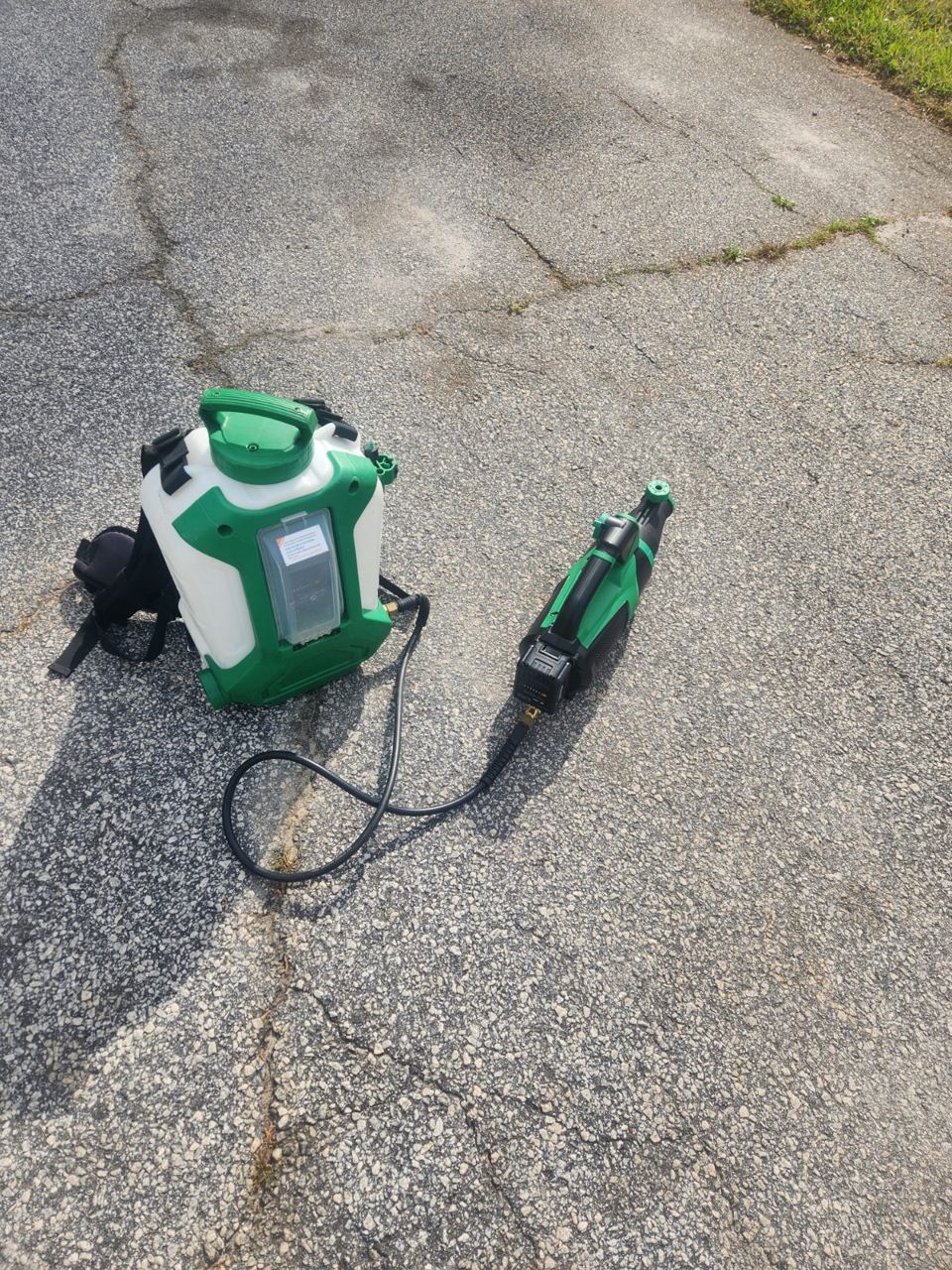
- Backpack sprayer or mist blower
- Granular and liquid larvicide applicators
- GPS unit, tablet or phone for mapping and records
- Personal protective equipment as the label requires
- Insect repellent and protective clothing
- Waders or boots for wet sites
Career path
- 01Seasonal field technician (public) or route technician (private)Trap checks, larval sampling and source reduction in a district, or yard treatments on a private route. Work under a certified applicator while you train.
- 02Certified technician or licensed applicatorPass the state's public health exams (or the general pest or lawn category on the private side) and apply on your own.
- 03Senior technician or specialistTake on surveillance, lab identification, spray operations or public education. Continuing education keeps the certification alive.
- 04Supervisor or operations managerPlan routes, schedule spray operations, manage crews and records. BLS notes experienced pest control workers may become supervisors.
- 05District manager, biologist, or business ownerPublic programs have management and science roles; science roles usually ask for a degree. On the private side, some technicians start their own business.
Pay and benefits
The Bureau of Labor Statistics doesn’t track this field as its own job, so these are the national numbers for pest control workers — the closest published benchmark, not this field’s own pay.
- $45,250Median annual pay · $21.75/hr source (BLS, opens in a new tab)
- $34,680–$61,890Lowest 10% to highest 10% of earners source (BLS, opens in a new tab)
- +6%Projected job growth 2025–2035 (all jobs: 3%) source (BLS, opens in a new tab)
- 13,700Openings projected each year, on average source (BLS, opens in a new tab)
$44,930 median inside exterminating and pest control services
$50,980 median across all US occupations
What these numbers leave out
- Self-employed workers — so owner-operators are absent entirely
- Overtime premium pay, shift differentials and non-production bonuses (commissions and production bonuses are included)
- Seasonal variation (annual figures assume 2,080 hours)
Real route pay depends on commission, truck and tool allowances and overtime. Compare notes in the Discord.
BLS does not track mosquito or vector control as a separate occupation. Field staff are most likely counted as pest control workers (SOC 37-2021), whose May 2025 median annual wage was $45,250, with the lowest 10 percent under $34,680 and the highest 10 percent over $61,890. In local government (OEWS industry 999300), BLS counted 1,850 pest control workers with a median of $50,870. Some district staff may instead be coded as pesticide handlers, sprayers and applicators, vegetation (SOC 37-3012); in local government that group had 2,050 jobs and a median of $46,920. These industry figures are our best approximation of public program pay, not a direct measure. OEWS excludes the self-employed and does not capture overtime or seasonal swings. Check public job postings for the pay scale; private route pay may include commission, so ask.
Benefits
This is where public and private differ most. In BLS's March 2026 benefits data, state and local government workers in service occupations had 82 percent access to medical care, 85 percent to retirement benefits, 89 percent to paid sick leave, 78 percent to paid vacation and 80 percent to paid holidays. Private industry workers in service occupations had 47 percent medical, 47 percent retirement, 67 percent paid sick leave, 57 percent paid vacation and 56 percent paid holidays. Seasonal public positions may not carry full benefits; check the posting. Ask private employers about vehicles, uniforms and paid licensing.
State-by-state licensing
This field runs through each state’s pesticide licensing programme, and every state names and splits its categories differently. Here’s what it’s called in the states we’ve verified so far.
- AlabamaALAlabama Department of Agriculture and Industries (ADAI) — Pesticide Management DivisionSee the full list of licence categories
- AlaskaAKAlaska Department of Environmental Conservation (DEC) — Pesticide Control Program8 — Public health pest control · 10 — Mosquito and biting fly pest control
- ArizonaAZArizona Department of Agriculture — Office of Pest Management (OPM), formerly the Pest Management Division (PMD)171.101(h) — Public health pest control
- ArkansasARArkansas Department of Agriculture — Pest Control Program (Arkansas State Plant Board rules)See the full list of licence categories
- CaliforniaCACalifornia Structural Pest Control Board (SPCB), Department of Consumer AffairsSee the full list of licence categories
- ColoradoCOColorado Department of Agriculture (CDA) — Pesticide Applicator Certification and Licensing Program110 — Public Health Pest Control
- ConnecticutCTConnecticut Department of Energy and Environmental Protection (DEEP) — Pesticide Management Program7F — Mosquitoes and Biting Flies · 8 — Public Health (governmental only)
- DelawareDEDelaware Department of Agriculture (DDA) — Pesticides Section5C — Mosquito · 08 — Public Health
- FloridaFLFlorida Department of Agriculture and Consumer Services (FDACS) — Bureau of Licensing and EnforcementSee the full list of licence categories
- GeorgiaGAGeorgia Department of Agriculture — Structural Pest Control Section (Georgia Structural Pest Control Commission)See the full list of licence categories
- HawaiiHIHawaii Pest Control Board, Department of Commerce and Consumer Affairs (DCCA) Professional and Vocational Licensing — with applicator certification by the Hawaii Department of Agriculture and Biosecurity (DAB) Pesticides Branch8 — Public Health Pest Control
- IdahoIDIdaho State Department of Agriculture (ISDA) — Agricultural Resources Division, Pesticide Applicator Licensing & CertificationPH — Public Health Pest
- IllinoisILIllinois Department of Public Health (IDPH) — Division of Environmental Health, Structural Pest Control ProgramG — Public Health Pest Control
- IndianaINOffice of Indiana State Chemist (OISC) — Pesticide Section, Purdue University8 — Community-Wide Mosquito Control
- IowaIAIowa Department of Agriculture and Land Stewardship (IDALS) — Pesticide Bureau8 — Public health pest control
- KansasKSKansas Department of Agriculture (KDA) — Pesticide and Fertilizer Program8 — Public health pest control
- KentuckyKYKentucky Department of Agriculture (KDA) — Structural Pest Control Branch8 — Public health pest control
- LouisianaLALouisiana Department of Agriculture and Forestry (LDAF) — Structural Pest Control CommissionSee the full list of licence categories
- MaineMEMaine Board of Pesticides Control (BPC), Department of Agriculture, Conservation and Forestry7E — Biting Fly & Other Arthropod Vectors (Ticks)
- MarylandMDMaryland Department of Agriculture (MDA) — Pesticide Regulation Section8 — Public Health
- MassachusettsMAMassachusetts Department of Agricultural Resources (MDAR) — Pesticide Program46 — General Public Health · 47 — Mosquito & Biting Fly Control
- MichiganMIMichigan Department of Agriculture and Rural Development (MDARD) — Pesticide Section7F — Mosquito Management · 8 — Public Health Pest Management
- MinnesotaMNMinnesota Department of Agriculture (MDA) — Pesticide & Fertilizer Management DivisionL — Mosquito, Black Fly, Tick Pest Control
- MississippiMSMississippi Department of Agriculture and Commerce (MDAC) — Bureau of Plant IndustryMBFL — Mosquito and biting fly control
- MissouriMOMissouri Department of Agriculture — Bureau of Pesticide Control8 — Public Health Pest Control
- MontanaMTMontana Department of Agriculture (MDA) — Pesticide Program8 — Public Health Pest Control · 20 — Mosquito Abatement
- NebraskaNENebraska Department of Agriculture (NDA) — Pesticide Program09 — Public Health Pest Control
- NevadaNVNevada Department of Agriculture — Pest Control SectionSee the full list of licence categories
- New HampshireNHNew Hampshire Department of Agriculture, Markets and Food — Division of Pesticide ControlF2 — Mosquito and black fly
- New JerseyNJNew Jersey Department of Environmental Protection (NJDEP) — Pesticide Control Program8B — Mosquito control
- New MexicoNMNew Mexico Department of Agriculture (NMDA), New Mexico State University — Pesticide Compliance8 — Public Health Pests
- New YorkNYNew York State Department of Environmental Conservation (NYSDEC) — Bureau of Pesticides Management8 — Public Health Pest Control
- North CarolinaNCNorth Carolina Department of Agriculture and Consumer Services (NCDA&CS) — Structural Pest Control and Pesticides DivisionSee the full list of licence categories
- North DakotaNDNorth Dakota Pesticide Control Board / North Dakota Department of Agriculture — certification delegated to NDSU Extension Pesticide ProgramClass 9 — Public health pest control
- OhioOHOhio Department of Agriculture (ODA) — Division of Plant Health, Pesticide & Fertilizer Regulation10d — Mosquito, house fly, and other vector control
- OklahomaOKOklahoma Department of Agriculture, Food, and Forestry (ODAFF) — Consumer Protection Services Division8 — Public Health Pest Control
- OregonOROregon Department of Agriculture (ODA) — Pesticides ProgramCategory — Public Health Pest Control
- PennsylvaniaPAPennsylvania Department of Agriculture (PDA) — Bureau of Plant Industry, Pesticide Programs15 — Public Health - Vertebrate Pests · 16 — Public Health - Invertebrate Pests
- Rhode IslandRIRhode Island Department of Environmental Management (DEM) — Division of Agriculture, Pesticides7E — Mosquitoes and Biting Flies · 8 — Public Health Pest Control
- South CarolinaSCClemson University — Department of Pesticide Regulation (DPR)8 — Public health pest control
- South DakotaSDSouth Dakota Department of Agriculture and Natural Resources (DANR) — Division of Agriculture & Environmental Services9 — Public Health pest control
- TennesseeTNTennessee Department of Agriculture (TDA) — Consumer and Industry Services, PesticidesPHMC — Public Health Mosquito Control (requires C08) · C08 — Public Health
- TexasTXTexas Department of Agriculture — Structural Pest Control Service (SPCS)See the full list of licence categories
- UtahUTUtah Department of Agriculture and Food (UDAF) — Pesticide Program8(a) — Public Health Pest Control — Commercial
- VermontVTVermont Agency of Agriculture, Food and Markets (VAAFM) — Public Health and Agricultural Resource Management Division7B — Vector Pest Control (non-public health) · 8 — Public Health Pest Control
- VirginiaVAVirginia Department of Agriculture and Consumer Services (VDACS) — Office of Pesticide Services8 — Public Health Pest Control
- WashingtonWAWashington State Department of Agriculture (WSDA) — Pesticide Management DivisionSee the full list of licence categories
- West VirginiaWVWest Virginia Department of Agriculture (WVDA) — Pesticide & Environmental Services Division9 — Public Health
- WisconsinWIWisconsin Department of Agriculture, Trade and Consumer Protection (DATCP) — Bureau of Agrichemical Management5.0 — Aquatic & Mosquito
- WyomingWYWyoming Department of Agriculture (WDA) — Technical Services Division, Pesticide Program908K — Mosquito Control
Your state not here yet? We add states only after checking them against the state agency. Ask in the Discord — someone there has licensed in it.
The good and the hard
- Public health work with a clear purpose: West Nile virus is the leading mosquito-borne disease in the contiguous US.
- Real science in the public programs: surveillance, species identification and virus testing.
- Public sector benefit access is far higher than the private service average.
- Mostly outdoors and varied, from ditches to trucks to classrooms.
- Skills carry across into general pest control, lawn care and public health roles.
- Seasonal: peak weeks are long and some public jobs are seasonal only.
- Adult spraying happens when mosquitoes are active, so evenings, nights or very early mornings are common.
- Regular pesticide handling, and working among mosquitoes in disease season.
- Public and private sides use different licences, so moving between them can mean new exams.
- Residential yard spraying draws pollinator concerns, and the evidence base has gaps.
From the crew
Photos members posted in the LTK Discord, shared with the community’s okay. Browse the pest ID library.
 (opens full size in a new tab)
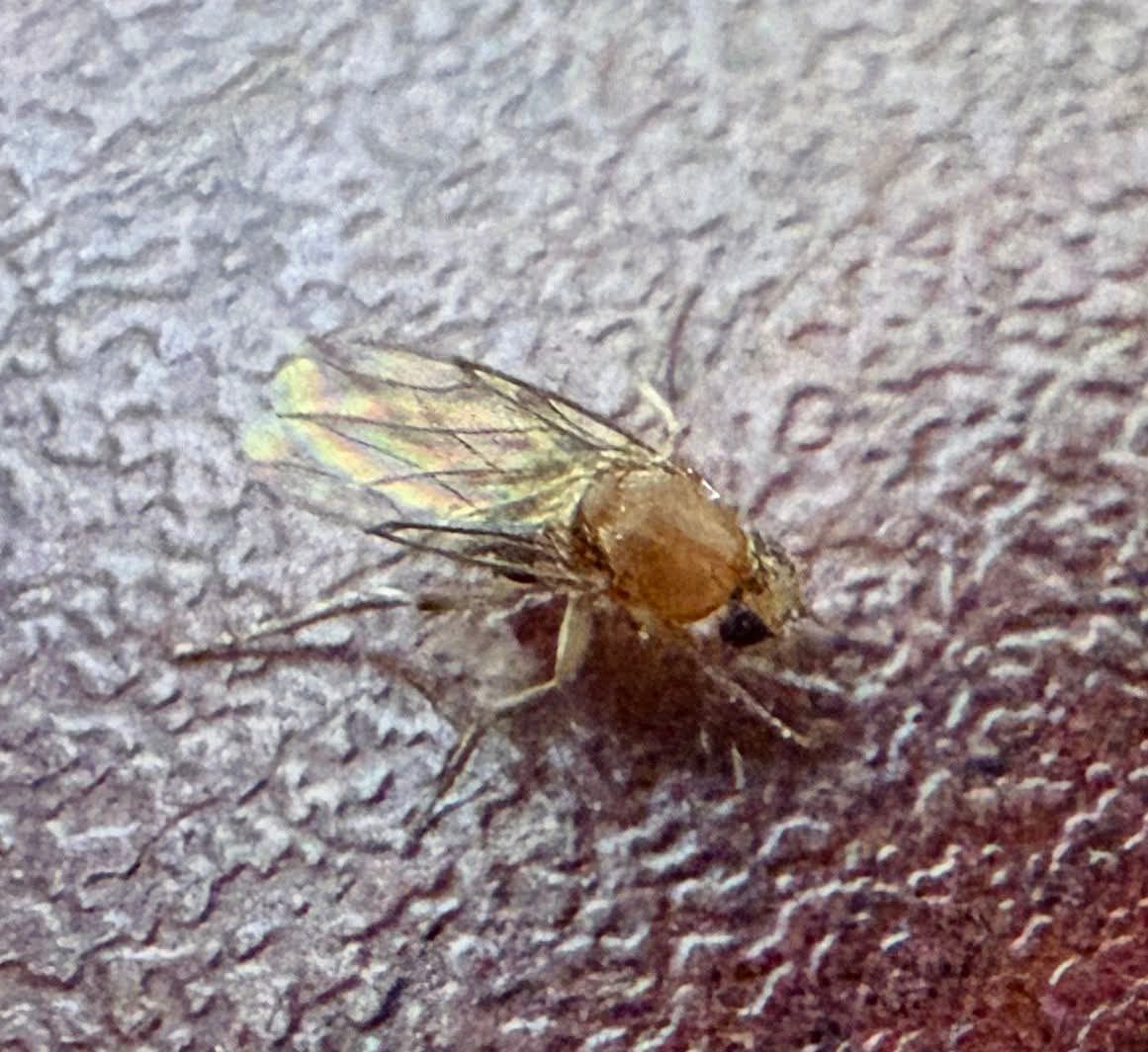
Small fly with iridescent wingsLTK member · Mar 2026 - (opens full size in a new tab)
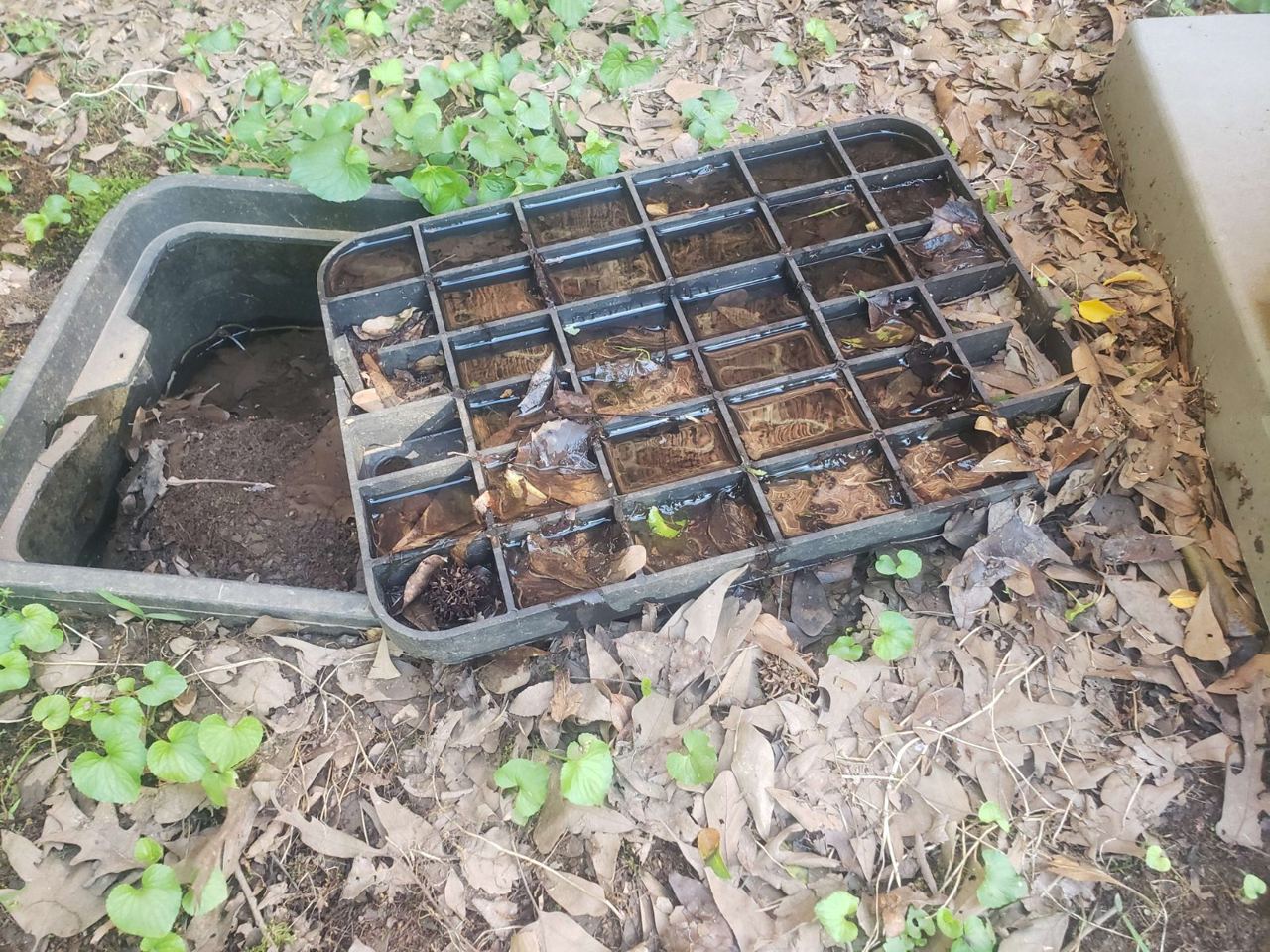
Valve box lid holding waterLTK member · May 2025 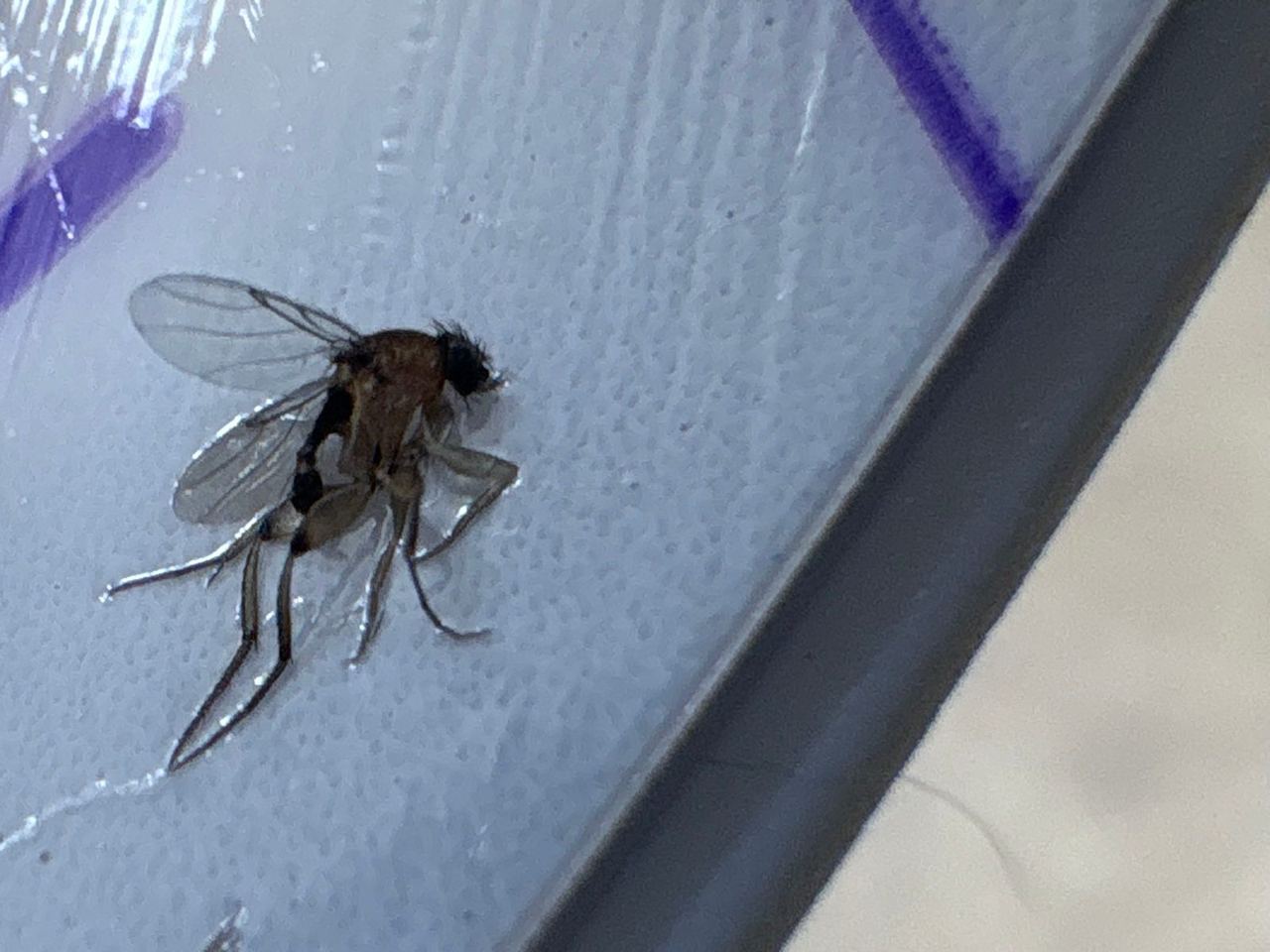 (opens full size in a new tab)
Small fly on sticky cardLTK member · May 2026 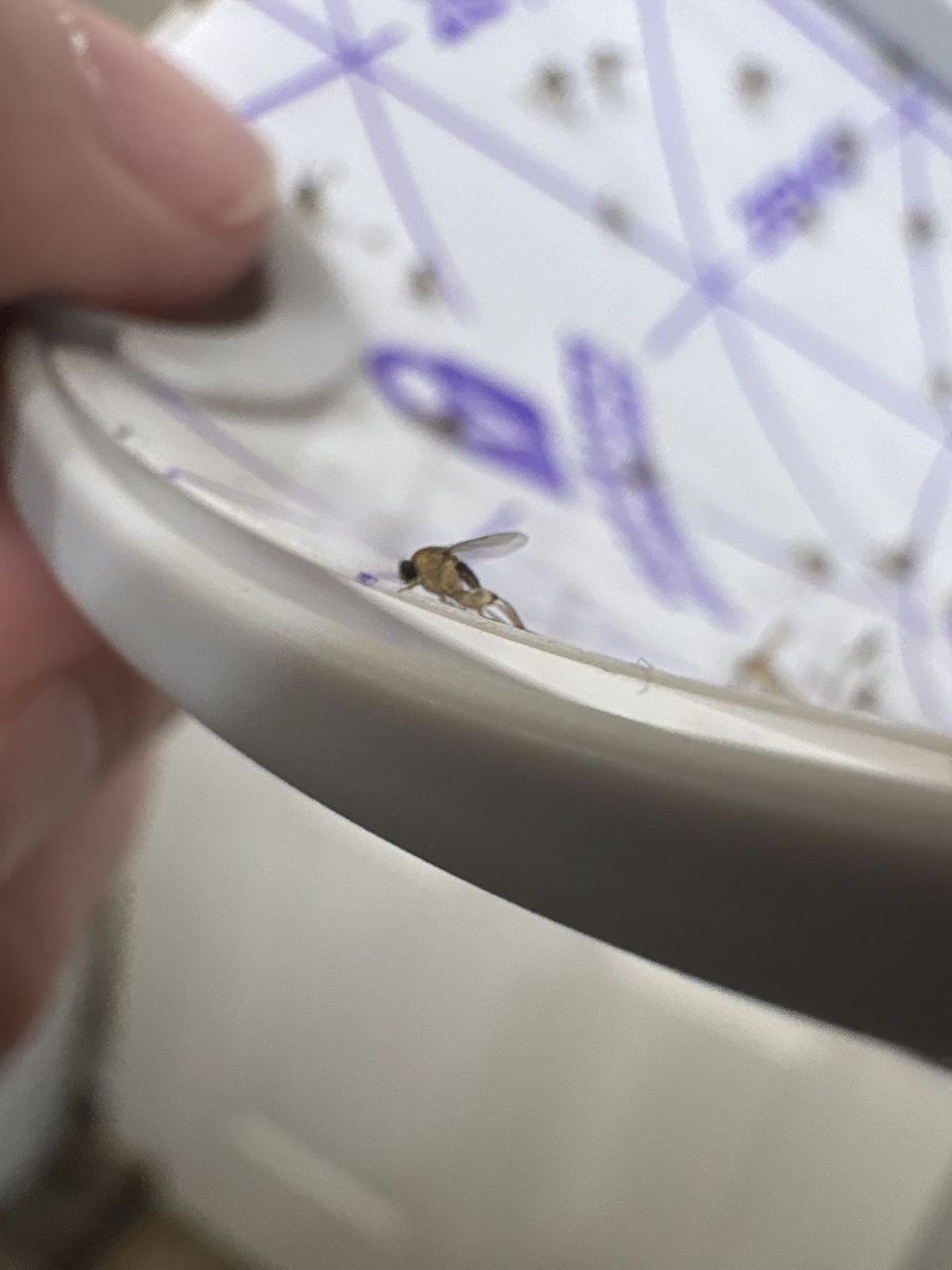 (opens full size in a new tab)
Light trap catch, small fliesLTK member · May 2026 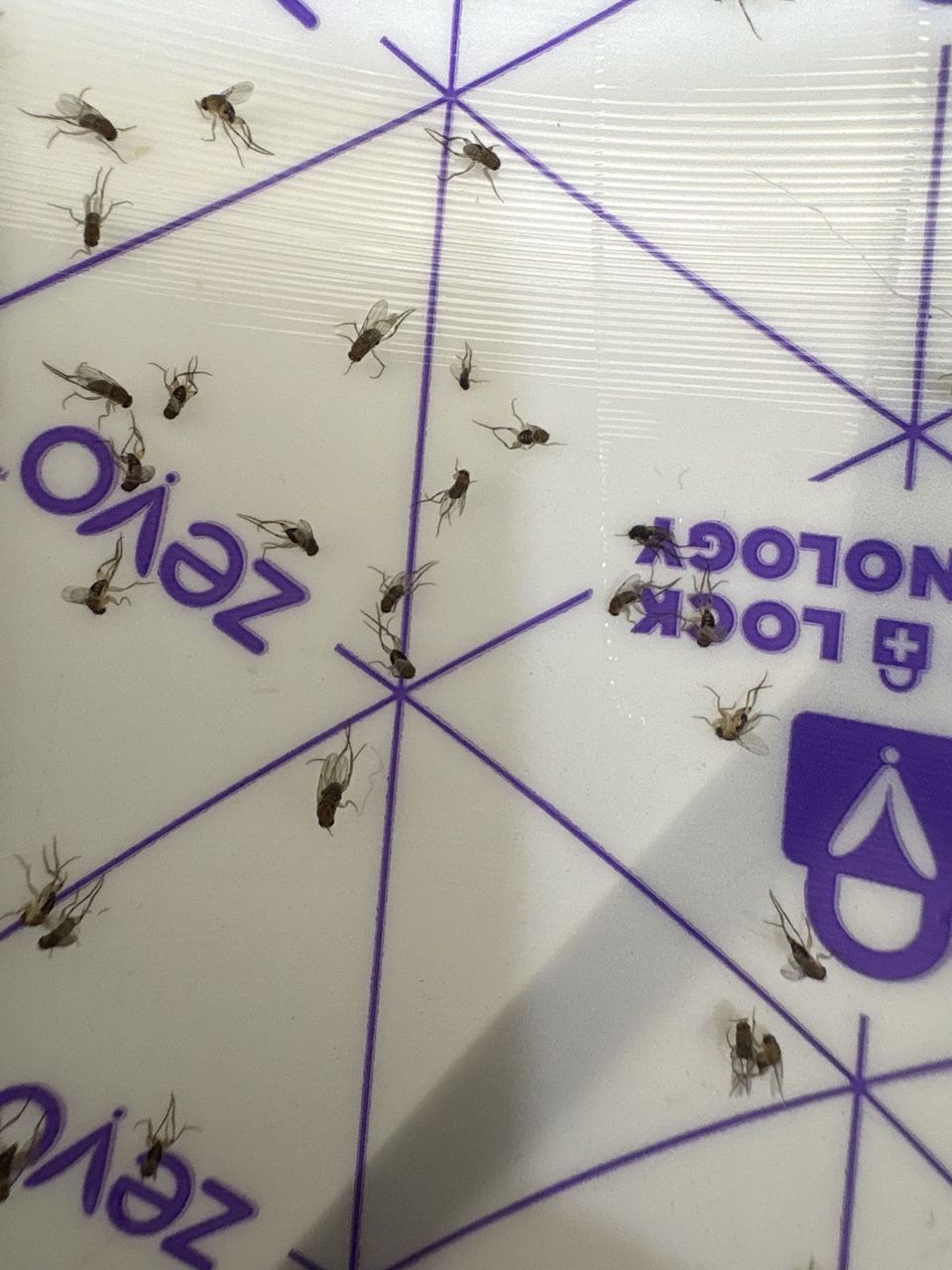 (opens full size in a new tab)
Loaded fly trap insertLTK member · May 2026 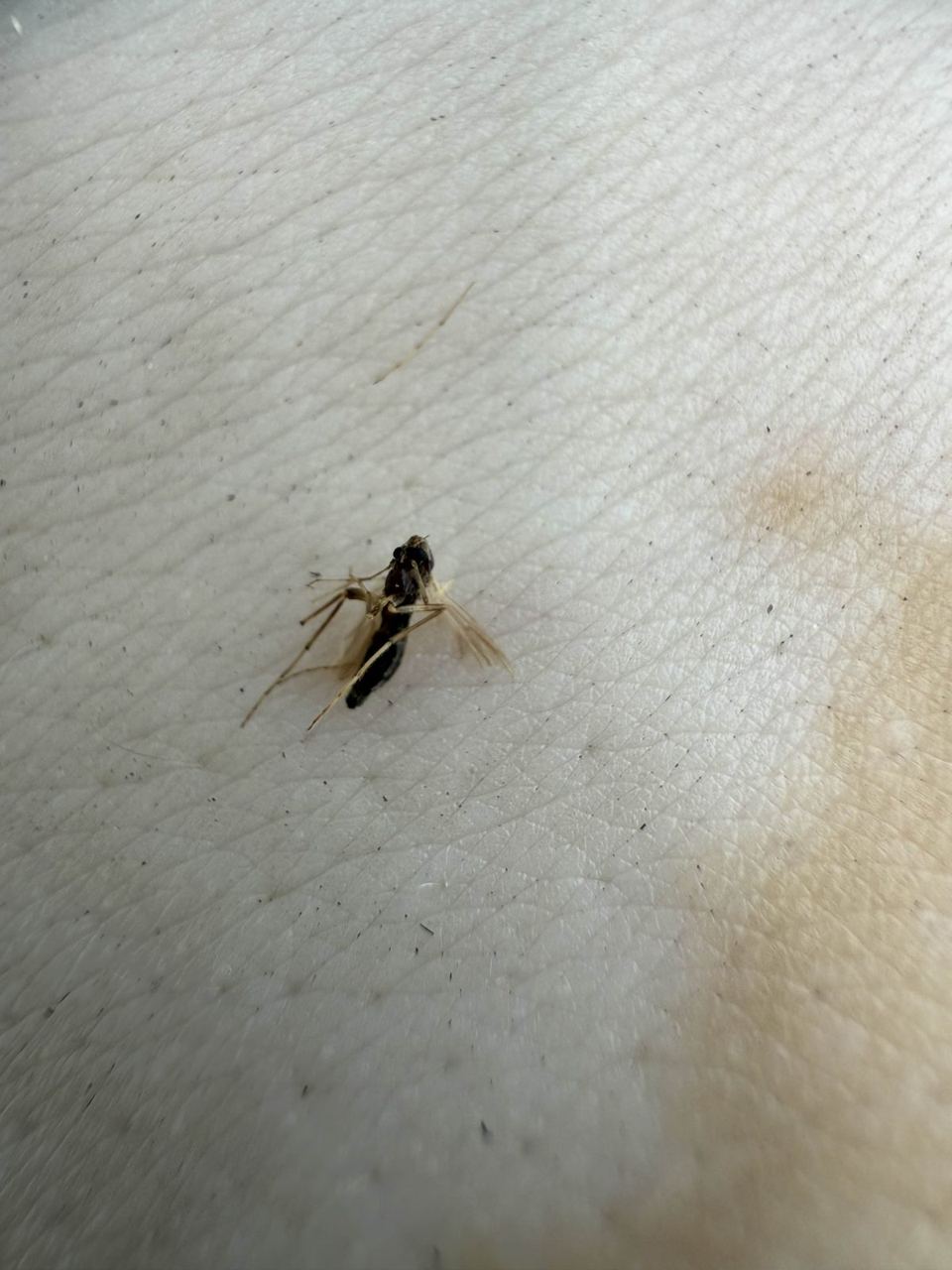 (opens full size in a new tab)
Dead gnat in palmLTK member · Jun 2025 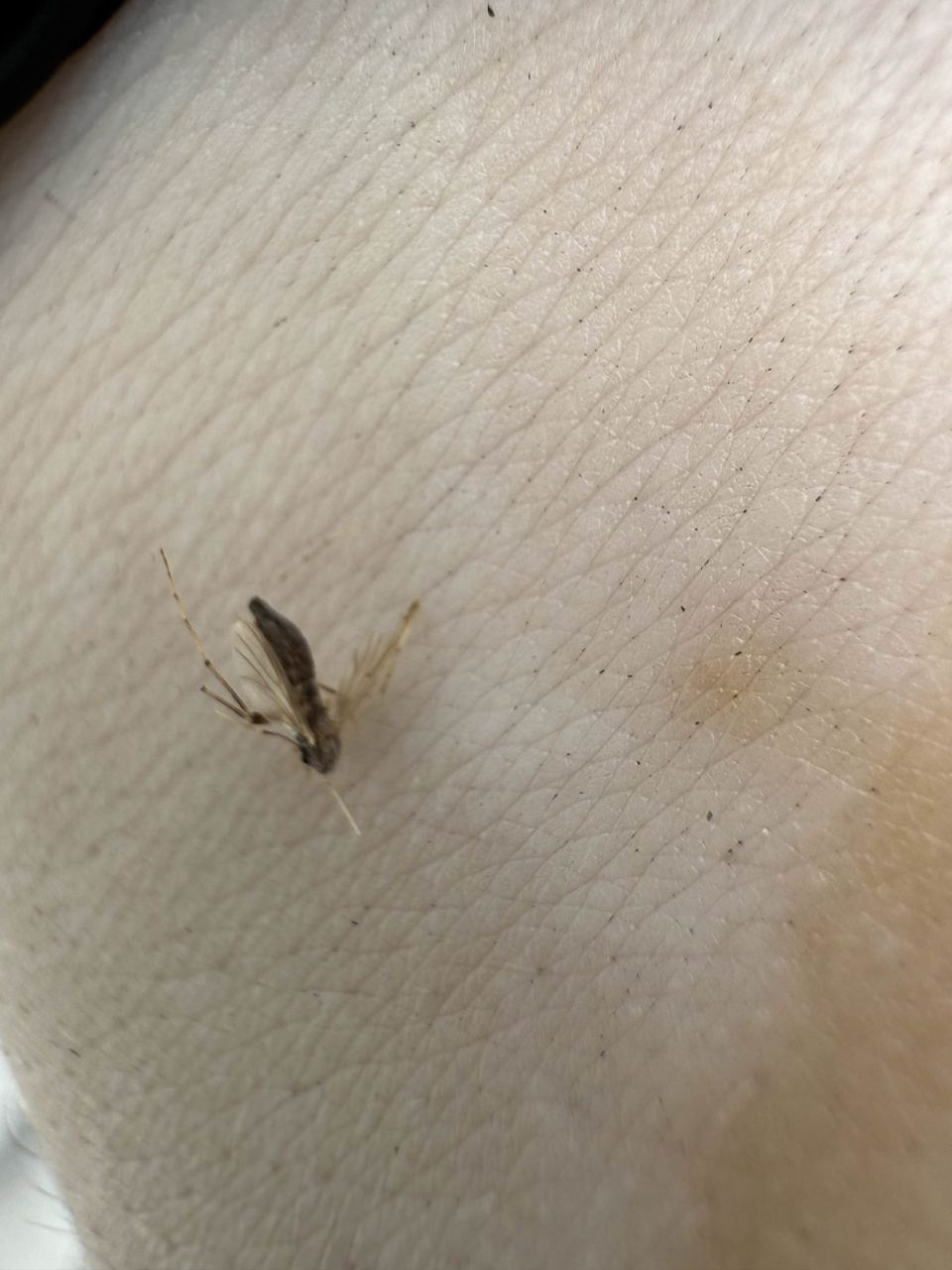 (opens full size in a new tab)
Gnat specimen on handLTK member · Jun 2025 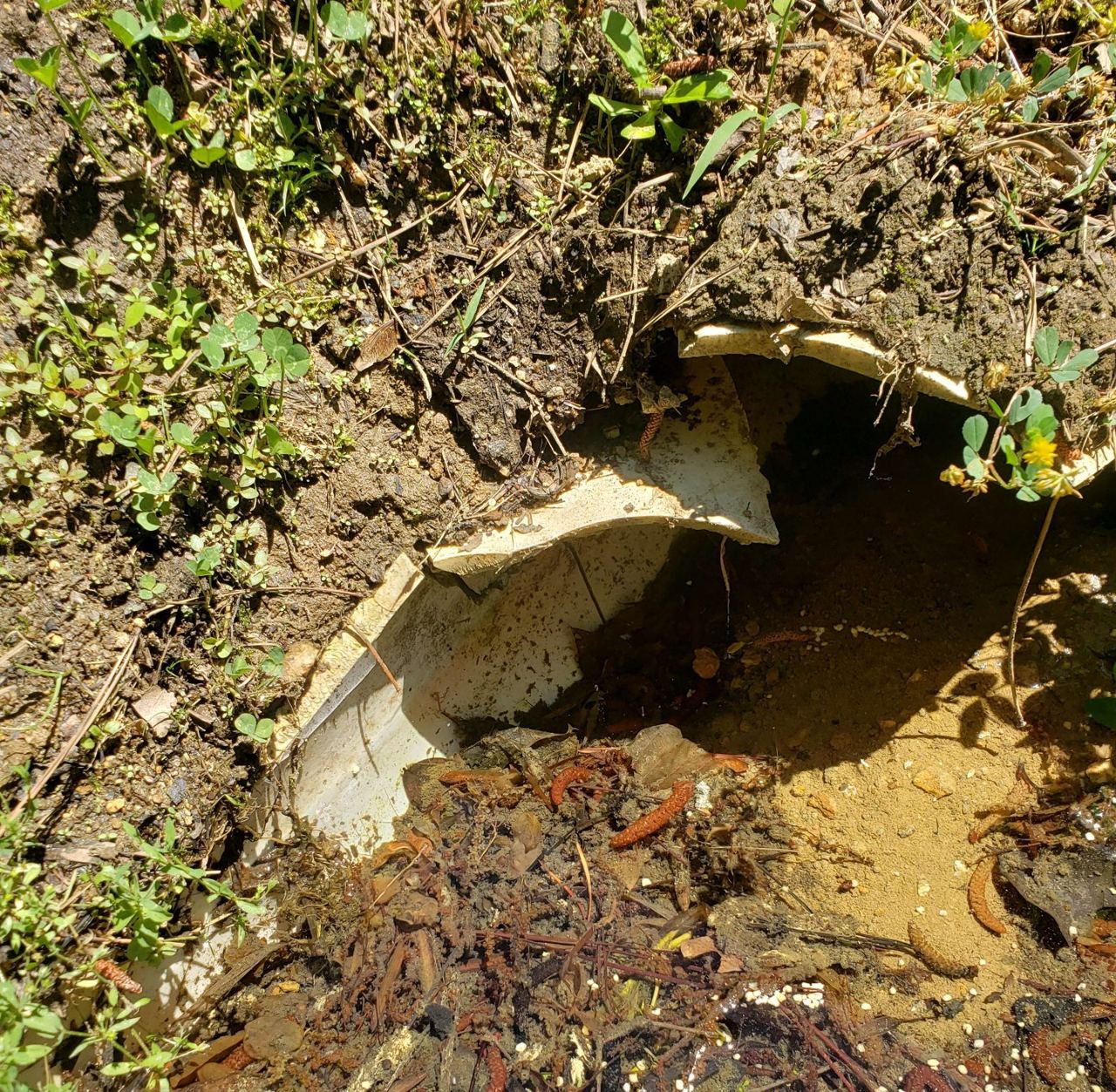 (opens full size in a new tab)
Broken drain pipe holding waterLTK member · May 2025
Where it fits in a career
People usually arrive from
Questions people ask
+Public district or private company: which should I aim for?
Public programs do surveillance, larval control, spraying and education, with higher benefit access in BLS data. Private work is route-based yard and commercial treatment. Many people start on whichever side is hiring locally.
+Do I need a degree?
Not for most field technician roles; BLS lists a high school diploma as typical for pest control work. Biologist and vector ecologist roles are science jobs and usually ask for a degree; check postings.
+Which licence do I need?
Public program applicators usually need a state public health category, such as California's Vector Control Technician certification or Florida's Public Health Pest Control licence. Private residential work usually needs your state's general pest or lawn and ornamental licence; in Florida, a pest control business licence with a certified operator in one of those categories.
+Can I take the California VCT exam before I am hired?
No. CDPH says only people currently employed at a government public health agency that does vector control may apply to take it.
+Will I work nights?
Possibly, in a public program. The CDC says adult mosquito spraying happens when mosquitoes are most active and pollinators are not. Larviciding is usually daytime.
+Is it year-round?
Mosquito season, by the CDC's description, runs summer through fall, typically June to October. Some positions are seasonal. Ask what off-season work exists.
+Do backyard barrier treatments and misting systems work?
A 2019 review found barrier treatments reduced mosquitoes, with variation between studies and species. The CDC does not recommend residential misting systems and says there is no data on their effectiveness.
+What does it pay?
BLS does not track mosquito control separately. Pest control workers had a May 2025 median of $45,250; those in local government had a median of $50,870.
Still deciding? Ask the people doing mosquito and vector control every day in the LTK Discord.
Ask on Discord(opens Discord in a new tab)Sources
- CDC: Mosquito Control Programs
- CDC: Truck Spraying
- CDC: Misting Systems for Mosquitoes
- CDC: About West Nile Virus
- EPA: Controlling Adult Mosquitoes
- AMCA: Mosquito Control
- AMCA: Best Management Practices for Integrated Mosquito Management
- CDPH: Vector Control Technician Certification Program
- CDPH: California Vector Control Technician Certification and Training Program guidelines (updated June 2019)
- California DPR: Qualified Applicator License packet
- FDACS: Mosquito Control Licensing
- eCFR: 40 CFR part 171, Certification of Pesticide Applicators
- EPA: Certification Standards for Pesticide Applicators
- Stoops et al. (2019), A Review of Studies Evaluating Insecticide Barrier Treatments for Mosquito Control From 1944 to 2018, Environmental Health Insights
- BLS Occupational Outlook Handbook: Pest Control Workers
- O*NET OnLine: Pest Control Workers (37-2021.00)
- BLS OEWS May 2025 via BLS Public Data API (series OEUN000000099930037202113, OEUN000000099930037301213 and related)
- BLS Employee Benefits in the United States, March 2026: Tables 1, 2 and 6
- QualityPro
- ESA: Associate Certified Entomologist
Researched 2026-10-01. Licensing details change; confirm with your state agency before you rely on them.
