
Fields · Structural pest control
Commercial and food safety
What is commercial and food safety work?
Pest management inside audited environments — food processing, warehousing, pharmaceutical, hospitality — against AIB, SQF, BRC and similar schemes.
Key factStandard licence, but the real gate is audit literacy. The scheme requirements, not the state, drive what you document and how.
Thinking about commercial and food safety? Ask the people doing it every day in the LTK Discord.
Ask on Discord(opens Discord in a new tab)What the job is really like
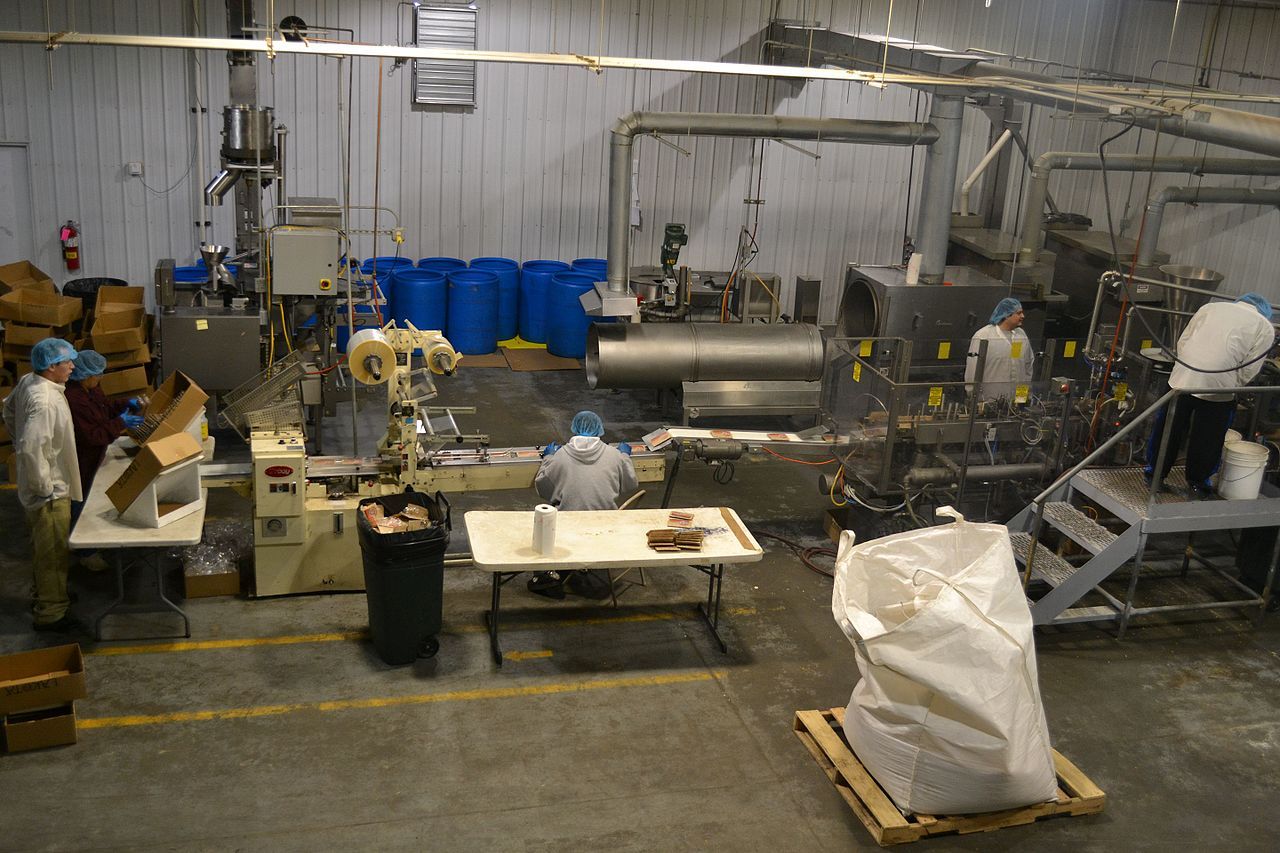
Commercial and food safety pest work means running pest programmes inside places that get audited: food plants, warehouses, distribution centres, and restaurants. The pest biology is the same as on a residential route. What changes is the paper. A food plant certified to a scheme such as SQF has to keep a documented pest programme with a site map of every device, records of every inspection and application, and trend reports that show whether the programme is working. The technician who services that account produces most of that evidence. Federal food law sits underneath it: FDA's rules for food facilities say pests must not be allowed in any area of a food plant, and pesticides may only be used with precautions that protect food and packaging. This lane suits people who are careful, like routine, and do not mind writing things down properly every single visit. It also suits people who want a route that runs on fixed service frequencies instead of the phone ringing. If you hate paperwork, or you want to work alone without anyone checking your work, this is the wrong lane.
A food plant visit starts at the front office, not the truck. The SQF Food Manufacturing Code says pest contractors must report to a responsible authorised person when they enter the premises and again after they finish. Before you go onto the production floor you follow the plant's good manufacturing practices. FDA's rule for food facilities lists what those usually look like: suitable outer garments, hand washing before work, removing unsecured jewellery, and hair and beard restraints where appropriate. Many plants also keep a pest sighting log for their own staff. Under the AIB International Consolidated Standards, that log records the date, time, pest type, location, action taken and who reported it, and you read it before you start so you know where to look.
Most of the visit is a device route. Outside, you check tamper-resistant rodent stations that are anchored, locked and labelled. Where no facility assessment sets the spacing, the AIB standards place exterior stations every 50 to 100 feet and inspect them at least monthly. Inside, the AIB standards say toxic bait is not used for routine monitoring, so interior devices are mechanical traps, glue boards and similar devices placed along perimeter walls, on both sides of exterior doors and in sensitive areas such as receiving, staging and finished goods, checked at least weekly unless the programme justifies otherwise. Insect light traps get emptied, cleaned and checked, and you record what kind of insects they caught and roughly how many. In plants that handle grain, cereals, spices or herbs you may also check pheromone traps for stored product insects.
Every device you touch gets a record. If you apply a pesticide, the AIB standards expect the record to show the product name, the EPA registration number, the target pest, the rate or concentration, the exact location, the method, the amount used, the date and time, and your printed name and signature. The SQF code requires the contractor to leave a written report of findings, inspections and treatments. In practice the record is the product the client is paying for, because the record is what the plant shows its auditor.
On a regular cycle someone has to step back and read the records as a whole. The SQF code requires the site to record pest sightings and trend the frequency of activity so applications are targeted, and to measure whether the programme is working. The AIB standards call for pest management personnel to review sightings and activity at least quarterly and send a report of findings to the facility, plus a documented assessment of the whole facility at least once a year by trained IPM personnel, using at least 12 months of history. Depending on the company, that trend report and annual assessment is written by the route technician, a commercial specialist, or a technical manager.
Audit time is when the work is graded. An auditor will walk the map against the wall to see whether every device on paper exists and every device on the wall is on paper. They will ask for specimen labels for every pesticide used, a copy of each technician's state certification or registration, the pest company's licence, the certificate of insurance and the written scope of service. Under the AIB scoring system, integrated pest management is one of five scored categories, and a facility does not receive AIB recognition if any category scores 135 or lower or if there is any unsatisfactory finding.
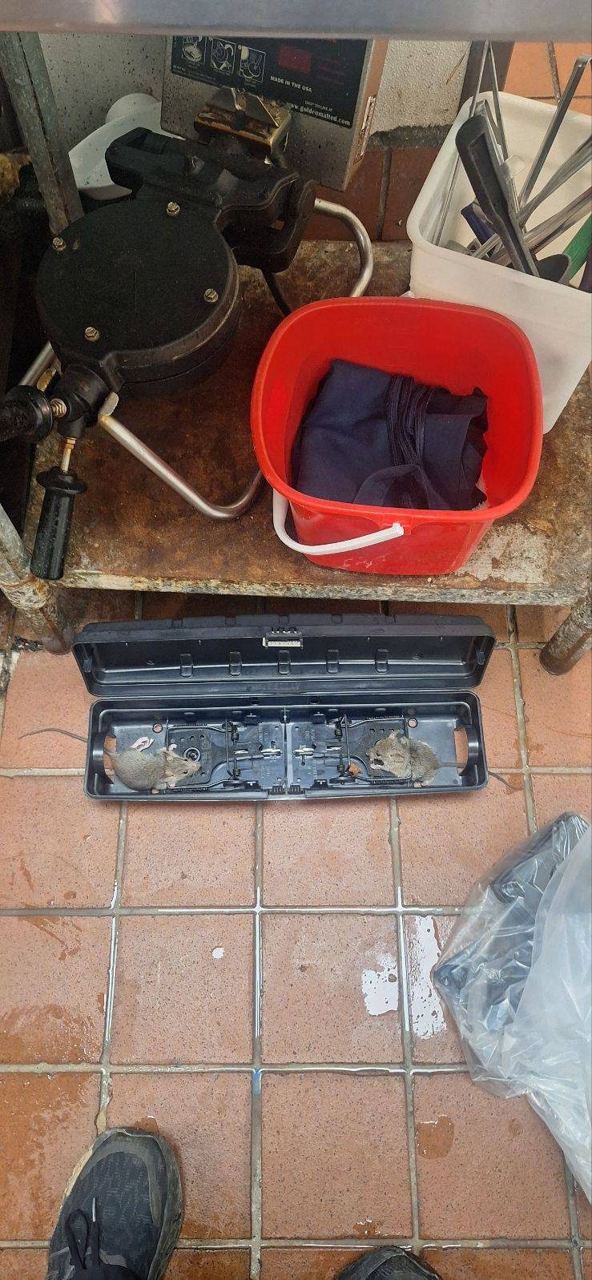
Restaurants and other retail food businesses run on a different rulebook. FDA's Food Code is a model code that states and local health departments adopt, and it requires the premises to be kept free of pests through routine inspection of deliveries and premises, control methods, and removal of harbourage. It also says rodent bait must be in a covered, tamper-resistant bait station, tracking powder pesticides may not be used in a food establishment, and restricted use pesticides may only be applied by a certified applicator or someone under their direct supervision. A restaurant route is faster and less document-heavy than a food plant, but the health inspector reads your work the same way an auditor does.
Daily duties
- Check in with the site's designated contact at the start and end of every service, as the SQF code requires of pest contractors.
- Follow the plant's good manufacturing practices: protective garments, hair and beard restraints, jewellery removal and hand washing.
- Read the facility's pest sighting log before starting and respond to each entry.
- Inspect and service exterior rodent stations, making sure each one is anchored, locked, labelled and contains only bait approved for that use.
- Inspect and service interior mechanical traps, glue boards and other non-toxic monitoring devices at the frequency the programme sets.
- Empty, clean and check insect light traps, and record insect types and approximate counts.
- Service pheromone monitors for stored product insects where the products call for them.
- Keep the device site map accurate: add, remove and map temporary devices, and account for any device that is pulled.
- Record every pesticide application with product, EPA registration number, target pest, rate, location, method, amount, date, time and applicator signature.
- Leave a written service report of findings, inspections and treatments for the site.
- Identify and report conditions that let pests in or let them live: gaps, harbourage, burrows, debris, poor sanitation.
- Review activity trends at least quarterly and help write recommendations for corrective action.
- Support the annual facility assessment using at least 12 months of records.
- Keep the documentation an auditor will ask for current: specimen labels, applicator credentials, company licence, insurance certificate and scope of service.
- In restaurants, use only tamper-resistant bait stations, never tracking powder pesticides, and follow label directions that allow use in a food establishment.
Work environment
- Schedule
- BLS says most pest control workers work full time, that evenings and weekends are common, and that some work more than 40 hours a week. Commercial service runs to the frequencies written into each account's scope of service, which the AIB standards say should state how often service happens. When you can service an area depends on the account, so ask any employer which shifts and days the commercial route actually runs.
- Seasons
- Less seasonal than residential work, because contracts set the service frequency all year. Flying insect pressure still swings: in the absence of a risk assessment, the AIB standards have light traps checked weekly in the active season and monthly in colder seasons.
- Physical
- A lot of walking through large buildings, plus standing, bending, kneeling and crawling to reach devices, which BLS lists as normal for pest control workers. Some devices and light traps are reached by ladder, and OSHA's ladder standard applies to every ladder an employer has you use. Temperatures range from coolers and freezers to hot warehouses and outdoor perimeters in any weather.
- Hazards
- Pesticide exposure is the obvious one, which is why application and storage rules are tight in food plants: the AIB standards require pesticides stored on site to be locked, labelled, inventoried and kept with spill materials. Food plants add their own hazards: moving forklifts, production machinery and noise. OSHA's lockout/tagout standard covers servicing and maintenance of machines that could start up unexpectedly, so never reach into or behind equipment to get at a device; tell the plant contact and let their people make it safe. OSHA's noise standard requires protection where sound levels exceed its limits, so wear the hearing protection the plant requires.
- Vehicle and travel
- You drive between accounts. BLS notes that many pest control companies require a driver's licence and a good driving record. Commercial routes can cover a wide area, because food plants and warehouses cluster in industrial zones rather than neighbourhoods. Carrying pesticides in a work vehicle has its own rules; see the vehicles and hazmat page in the owner section of this site.
How people get in
From general pest, usually by being the technician who did not mind the paperwork.
Training and licensing
Getting hired
BLS says pest control workers typically need a high school diploma or equivalent and learn on the job, and that many employers want a driver's licence and a good driving record. EPA sets 18 as the federal minimum age for anyone seeking certification as a pesticide applicator. Companies accredited by QualityPro, the credentialing programme endorsed by the National Pest Management Association, commit to criminal background checks where appropriate and allowed by law, motor vehicle record checks where appropriate, and a drug-free workplace policy, so expect those at many larger employers. Food plants themselves may require documented GMP training before you work on their floor; the AIB standards list it as a requirement for anyone providing pest services in the facility.
Learning on the job
BLS says most pest control workers start as technicians, receive on-the-job training that can usually be completed in less than three months, and complete general training in pesticide use and safety. Commercial food work is usually something you move into after you can already run a route, because the inspection and documentation standards are higher. At companies that hold the QualityPro Food Safety certification, every employee who performs or sells pest service in food processing and handling facilities must pass a QualityPro exam on pest management in those facilities, covering food safety, prevention, best management practices, pests, inspection, traps and pesticides. Ask any employer how long you will ride with a senior commercial technician before you take accounts alone.
Licensing
There is no separate food safety pest licence. You need the same state pesticide licence or registration as any other structural technician, and the food plant will keep a copy of it on file: the SQF code requires pest contractors to be licensed and approved by the relevant authority, and the AIB standards require the facility to keep each technician's certification or registration document, the company's licence and, where regulation requires it, evidence that unlicensed staff are supervised by a licensed applicator. The general pattern across states follows EPA's certification rule: commercial applicators prove competency by exam, usually a core exam plus one or more category exams, restricted use pesticides may only be used by a certified applicator or a trained person under their direct supervision, and certification must be renewed at least every five years, usually through continuing education. Categories, exam rules and CEU hours differ by state. Check your state's page under Licensing in the Academy section of this site, and check with your state pesticide agency. This is general information, not legal advice.
Certifications worth knowing
QualityPro (endorsed by the National Pest Management Association)
A company-level certification. The company must already be QualityPro accredited, and every employee who performs or sells pest service in food processing and handling facilities must pass the QualityPro food facility exam.
Associate Certified Entomologist (ACE)
Entomological Society of America Certification Corporation
An individual credential for working pest professionals. Requires at least five years of verifiable pest management experience, a current US pesticide applicator licence and a passing score on a structural pest knowledge exam. The certifying body advises at least 40 hours of preparation.
Preventive Controls for Human Food (PCQI course)
Food Safety Preventive Controls Alliance (FSPCA)
A 2.5-day course using the FDA-recognised standardised curriculum on how food plants build food safety plans under FSMA. Not required of pest technicians, but it teaches the system your client is working inside, and it is one way plant staff qualify as a preventive controls qualified individual.
Board Certified Entomologist (BCE)
Entomological Society of America Certification Corporation
For people with a biology or life science degree that includes entomology coursework, plus one to three years of relevant experience depending on degree level. Common among technical leads on large commercial accounts.
- In plain words
- Standard licence, but the real gate is audit literacy. The scheme requirements, not the state, drive what you document and how.
- Government pay data
- Not tracked as its own job by the Bureau of Labor Statistics
Skills and tools
- Accurate, complete record keeping on every visit, with no gaps or shortcuts
- Pest identification, including stored product insects and the flies and moths found in light traps
- Reading a site map and keeping it matched to what is on the wall
- Spotting structural and sanitation conditions that let pests in or let them live
- Following another organisation's rules (GMPs, sign-in, restricted areas) without being reminded
- Turning months of device counts into a short, clear trend report
- Explaining findings to plant QA staff and managers in plain language
- Label reading, especially which products may be used in a food establishment and where
- Staying calm and organised when an auditor is asking questions
- Tamper-resistant exterior rodent bait stations, with locks or single-use ties
- Interior mechanical rodent traps, including multi-catch and extended trigger traps
- Glue boards
- Remotely monitored traps that send alerts, at accounts that use them
- Insect light traps, with shatter-resistant lamps in production and raw material areas
- Pheromone traps for stored product insects
- Facility site map with numbered devices
- Service records system, on paper or electronic
- Specimen labels and Safety Data Sheets for every product used
- Flashlight and inspection mirror
- Hand sprayer, duster and bait applicators for products labelled for food facility use
- Ladder suited to reaching high devices
- Personal protective equipment required by the product label and by the plant
- Plant-required GMP gear: hair and beard restraints, clean outer garments
Career path
- 01General pest technicianGet licensed or registered, learn identification and label reading, and learn to run a route. BLS says initial training usually takes less than three months.
- 02Commercial route technicianTake on restaurants, offices and light commercial accounts where documentation matters and the health inspector reads your records.
- 03Food plant specialistService audited facilities. At QualityPro Food Safety companies, this is where you pass the food facility exam. You learn device programmes, trend reporting and audit preparation.
- 04Commercial technical lead or account managerWrite annual facility assessments and trend reports, train other technicians and handle audit findings. Many people at this stage add the ACE credential once they have five years of experience.
- 05Next movesFrom here people move into auditing and quality assurance, into fumigation (commodity work is common in food), into branch or technical management, or into owning a commercial-focused company. See the auditor, fumigation, management and ownership guides.
Pay and benefits
The Bureau of Labor Statistics doesn’t track this field as its own job, so these are the national numbers for pest control workers — the closest published benchmark, not this field’s own pay.
- $45,250Median annual pay · $21.75/hr source (BLS, opens in a new tab)
- $34,680–$61,890Lowest 10% to highest 10% of earners source (BLS, opens in a new tab)
- +6%Projected job growth 2025–2035 (all jobs: 3%) source (BLS, opens in a new tab)
- 13,700Openings projected each year, on average source (BLS, opens in a new tab)
$44,930 median inside exterminating and pest control services
$50,980 median across all US occupations
What these numbers leave out
- Self-employed workers — so owner-operators are absent entirely
- Overtime premium pay, shift differentials and non-production bonuses (commissions and production bonuses are included)
- Seasonal variation (annual figures assume 2,080 hours)
Real route pay depends on commission, truck and tool allowances and overtime. Compare notes in the Discord.
BLS does not track commercial or food safety pest technicians separately. They are counted as pest control workers (SOC 37-2021), and O*NET lists Commercial Pest Control Technician among that occupation's reported job titles. For May 2025, BLS reports a national median of $45,250 a year ($21.75 an hour) for pest control workers, with the lowest 10 percent earning under $34,680 and the highest 10 percent over $61,890. Inside the exterminating and pest control services industry the median was $44,930. These figures exclude self-employed workers, and the annual numbers assume 2,080 hours, so they do not show overtime, commission or bonus pay. There is no national data showing whether commercial technicians earn more or less than residential ones, so ask employers directly how commercial routes are paid. See the pay pages on this site for the full BLS baseline.
Benefits
BLS's National Compensation Survey groups pest control workers with building and grounds cleaning and maintenance under service occupations. In March 2026, among private industry workers in service occupations, 47 percent had access to employer medical care benefits, 47 percent to a retirement plan, 67 percent to paid sick leave, 57 percent to paid vacation and 56 percent to paid holidays. Size matters too: at private establishments with 1 to 49 workers, 55 percent had access to medical care and 55 percent to retirement benefits. These are averages across many occupations, not pest-specific numbers. Ask each employer whether they provide a company vehicle, uniforms and plant-required gear, and whether they pay for licensing, exam fees, continuing education and credentials such as ACE.
State-by-state licensing
This field runs through each state’s pesticide licensing programme, and every state names and splits its categories differently. Here’s what it’s called in the states we’ve verified so far.
- AlabamaALAlabama Department of Agriculture and Industries (ADAI) — Pesticide Management DivisionSee the full list of licence categories
- AlaskaAKAlaska Department of Environmental Conservation (DEC) — Pesticide Control ProgramSee the full list of licence categories
- ArizonaAZArizona Department of Agriculture — Office of Pest Management (OPM), formerly the Pest Management Division (PMD)See the full list of licence categories
- ArkansasARArkansas Department of Agriculture — Pest Control Program (Arkansas State Plant Board rules)See the full list of licence categories
- CaliforniaCACalifornia Structural Pest Control Board (SPCB), Department of Consumer AffairsSee the full list of licence categories
- ColoradoCOColorado Department of Agriculture (CDA) — Pesticide Applicator Certification and Licensing ProgramSee the full list of licence categories
- ConnecticutCTConnecticut Department of Energy and Environmental Protection (DEEP) — Pesticide Management ProgramSee the full list of licence categories
- DelawareDEDelaware Department of Agriculture (DDA) — Pesticides SectionSee the full list of licence categories
- FloridaFLFlorida Department of Agriculture and Consumer Services (FDACS) — Bureau of Licensing and EnforcementSee the full list of licence categories
- GeorgiaGAGeorgia Department of Agriculture — Structural Pest Control Section (Georgia Structural Pest Control Commission)See the full list of licence categories
- HawaiiHIHawaii Pest Control Board, Department of Commerce and Consumer Affairs (DCCA) Professional and Vocational Licensing — with applicator certification by the Hawaii Department of Agriculture and Biosecurity (DAB) Pesticides BranchSee the full list of licence categories
- IdahoIDIdaho State Department of Agriculture (ISDA) — Agricultural Resources Division, Pesticide Applicator Licensing & CertificationSee the full list of licence categories
- IllinoisILIllinois Department of Public Health (IDPH) — Division of Environmental Health, Structural Pest Control ProgramSee the full list of licence categories
- IndianaINOffice of Indiana State Chemist (OISC) — Pesticide Section, Purdue UniversitySee the full list of licence categories
- IowaIAIowa Department of Agriculture and Land Stewardship (IDALS) — Pesticide BureauSee the full list of licence categories
- KansasKSKansas Department of Agriculture (KDA) — Pesticide and Fertilizer ProgramSee the full list of licence categories
- KentuckyKYKentucky Department of Agriculture (KDA) — Structural Pest Control BranchSee the full list of licence categories
- LouisianaLALouisiana Department of Agriculture and Forestry (LDAF) — Structural Pest Control CommissionSee the full list of licence categories
- MaineMEMaine Board of Pesticides Control (BPC), Department of Agriculture, Conservation and ForestrySee the full list of licence categories
- MarylandMDMaryland Department of Agriculture (MDA) — Pesticide Regulation SectionSee the full list of licence categories
- MassachusettsMAMassachusetts Department of Agricultural Resources (MDAR) — Pesticide ProgramSee the full list of licence categories
- MichiganMIMichigan Department of Agriculture and Rural Development (MDARD) — Pesticide SectionSee the full list of licence categories
- MinnesotaMNMinnesota Department of Agriculture (MDA) — Pesticide & Fertilizer Management DivisionSee the full list of licence categories
- MississippiMSMississippi Department of Agriculture and Commerce (MDAC) — Bureau of Plant IndustrySee the full list of licence categories
- MissouriMOMissouri Department of Agriculture — Bureau of Pesticide ControlSee the full list of licence categories
- MontanaMTMontana Department of Agriculture (MDA) — Pesticide ProgramSee the full list of licence categories
- NebraskaNENebraska Department of Agriculture (NDA) — Pesticide ProgramSee the full list of licence categories
- NevadaNVNevada Department of Agriculture — Pest Control SectionSee the full list of licence categories
- New HampshireNHNew Hampshire Department of Agriculture, Markets and Food — Division of Pesticide ControlSee the full list of licence categories
- New JerseyNJNew Jersey Department of Environmental Protection (NJDEP) — Pesticide Control ProgramSee the full list of licence categories
- New MexicoNMNew Mexico Department of Agriculture (NMDA), New Mexico State University — Pesticide ComplianceSee the full list of licence categories
- New YorkNYNew York State Department of Environmental Conservation (NYSDEC) — Bureau of Pesticides ManagementSee the full list of licence categories
- North CarolinaNCNorth Carolina Department of Agriculture and Consumer Services (NCDA&CS) — Structural Pest Control and Pesticides DivisionSee the full list of licence categories
- North DakotaNDNorth Dakota Pesticide Control Board / North Dakota Department of Agriculture — certification delegated to NDSU Extension Pesticide ProgramSee the full list of licence categories
- OhioOHOhio Department of Agriculture (ODA) — Division of Plant Health, Pesticide & Fertilizer RegulationSee the full list of licence categories
- OklahomaOKOklahoma Department of Agriculture, Food, and Forestry (ODAFF) — Consumer Protection Services DivisionSee the full list of licence categories
- OregonOROregon Department of Agriculture (ODA) — Pesticides ProgramSee the full list of licence categories
- PennsylvaniaPAPennsylvania Department of Agriculture (PDA) — Bureau of Plant Industry, Pesticide ProgramsSee the full list of licence categories
- Rhode IslandRIRhode Island Department of Environmental Management (DEM) — Division of Agriculture, PesticidesSee the full list of licence categories
- South CarolinaSCClemson University — Department of Pesticide Regulation (DPR)See the full list of licence categories
- South DakotaSDSouth Dakota Department of Agriculture and Natural Resources (DANR) — Division of Agriculture & Environmental ServicesSee the full list of licence categories
- TennesseeTNTennessee Department of Agriculture (TDA) — Consumer and Industry Services, PesticidesSee the full list of licence categories
- TexasTXTexas Department of Agriculture — Structural Pest Control Service (SPCS)See the full list of licence categories
- UtahUTUtah Department of Agriculture and Food (UDAF) — Pesticide ProgramSee the full list of licence categories
- VermontVTVermont Agency of Agriculture, Food and Markets (VAAFM) — Public Health and Agricultural Resource Management DivisionSee the full list of licence categories
- VirginiaVAVirginia Department of Agriculture and Consumer Services (VDACS) — Office of Pesticide ServicesSee the full list of licence categories
- WashingtonWAWashington State Department of Agriculture (WSDA) — Pesticide Management DivisionSee the full list of licence categories
- West VirginiaWVWest Virginia Department of Agriculture (WVDA) — Pesticide & Environmental Services DivisionSee the full list of licence categories
- WisconsinWIWisconsin Department of Agriculture, Trade and Consumer Protection (DATCP) — Bureau of Agrichemical ManagementSee the full list of licence categories
- WyomingWYWyoming Department of Agriculture (WDA) — Technical Services Division, Pesticide ProgramSee the full list of licence categories
Your state not here yet? We add states only after checking them against the state agency. Ask in the Discord — someone there has licensed in it.
The good and the hard
- Routes run on fixed contract frequencies, so the work is steadier and more predictable than residential call-in work.
- Your skill is visible. A clean audit with no pest findings is a result you can point to.
- You learn how food plants and food safety systems work, which opens doors into auditing and quality assurance.
- Less pesticide spraying and more inspection, monitoring and prevention, because the standards push programmes that way.
- A clear path to technical roles for people who are good at records and analysis.
- Paperwork never stops. A missed record is a finding against your client, even if the pest work was perfect.
- You work under someone else's rules: sign-in, GMP gear, restricted areas and production schedules.
- Audits are stressful, and a bad one can cost your company the account.
- Large facilities mean long walks, high devices and every kind of temperature.
- You often find problems, such as sanitation or structural gaps, that only the client can fix, and you have to keep pushing them to fix it.
From the crew
Photos members posted in the LTK Discord, shared with the community’s okay. Browse the pest ID library.
 (opens full size in a new tab)
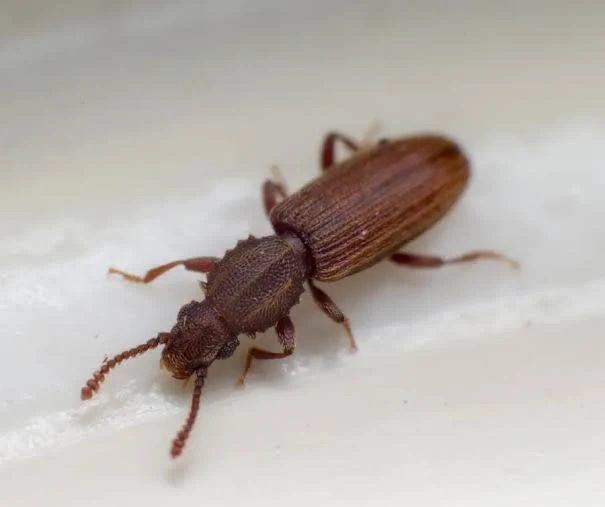
Grain beetle thorax teethLTK member · Sep 2025 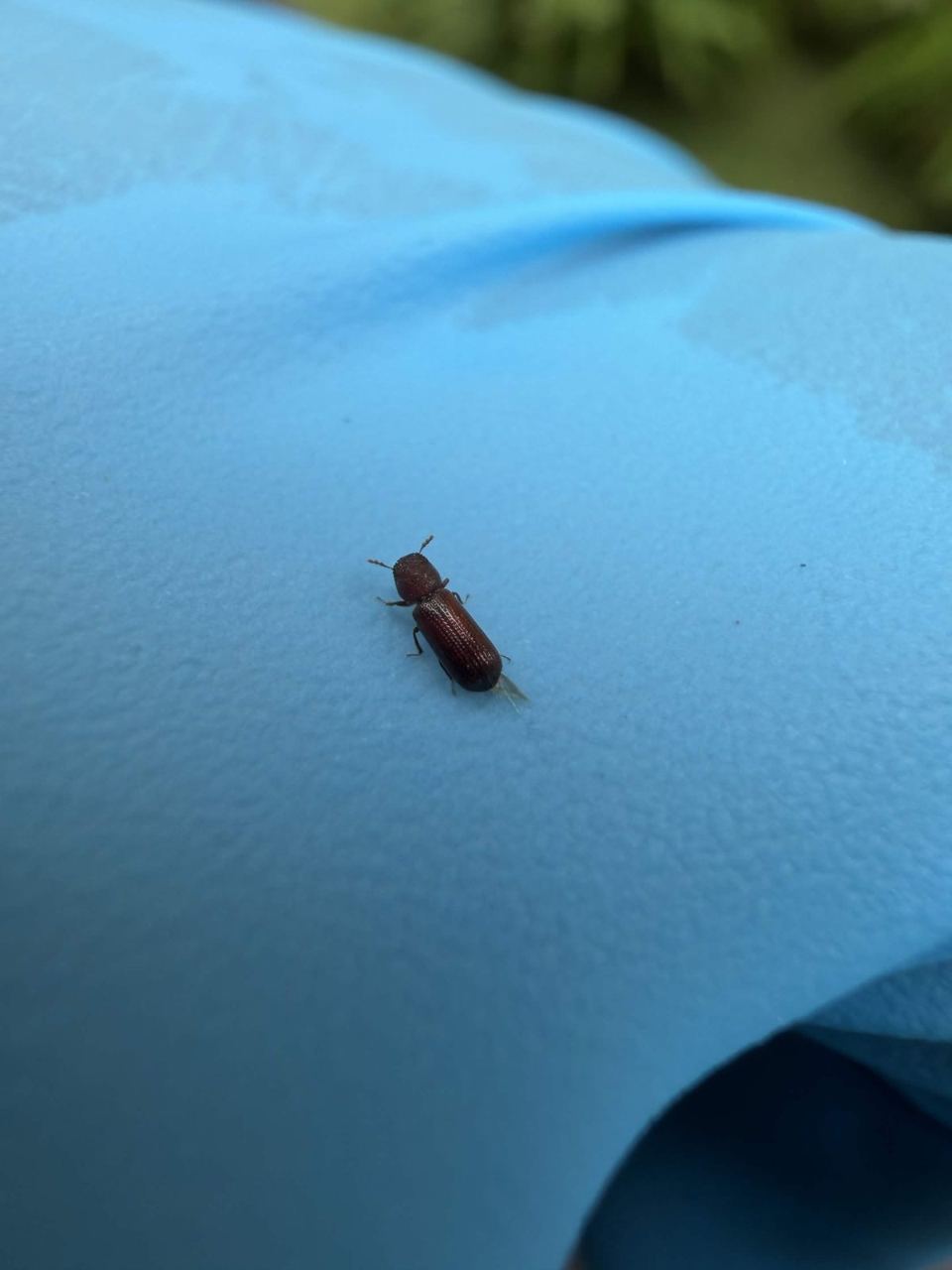 (opens full size in a new tab)
Lesser grain borer type beetleLTK member · May 2026 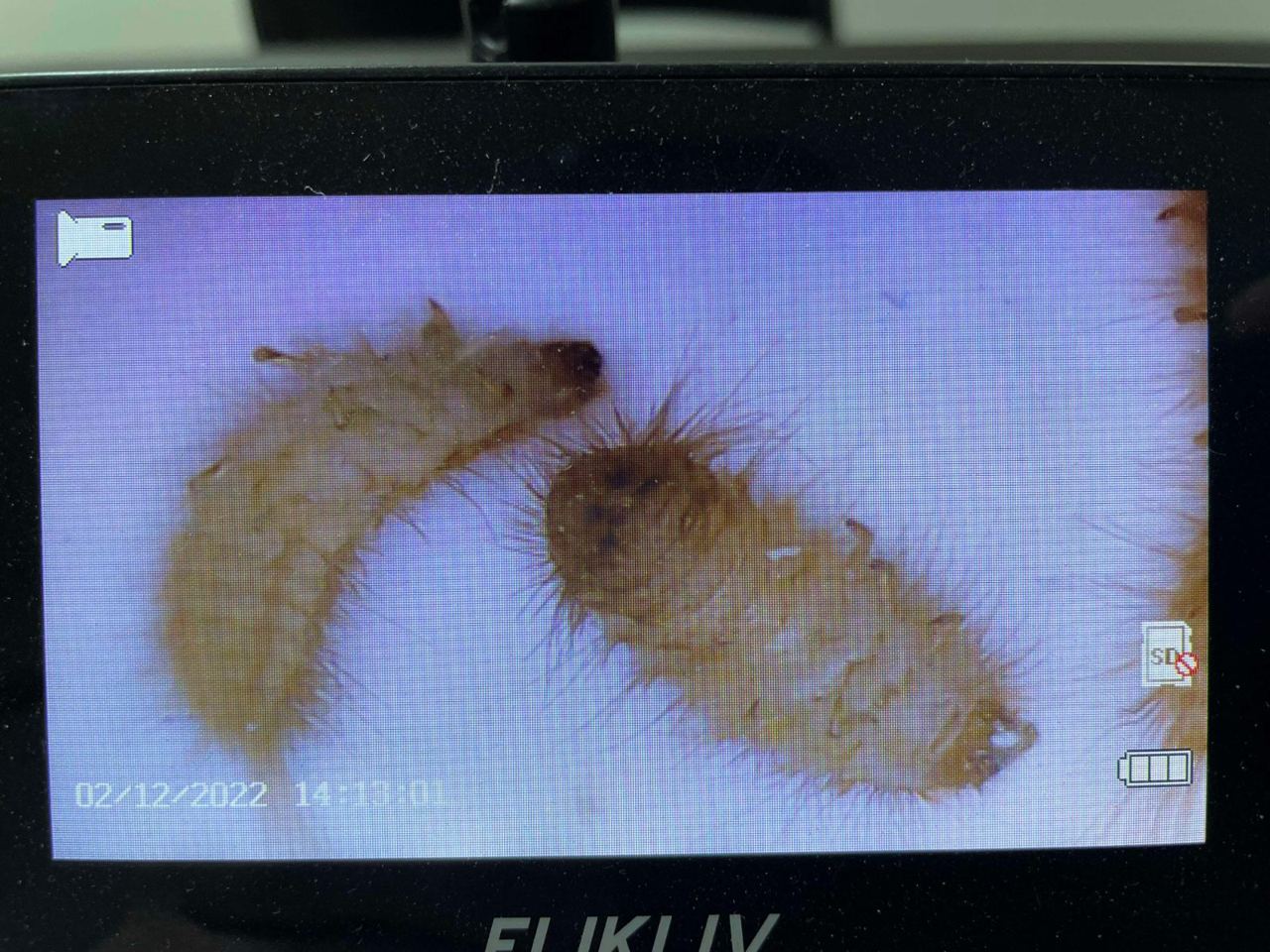 (opens full size in a new tab)
Dermestid larvae under the scopeLTK member · May 2025 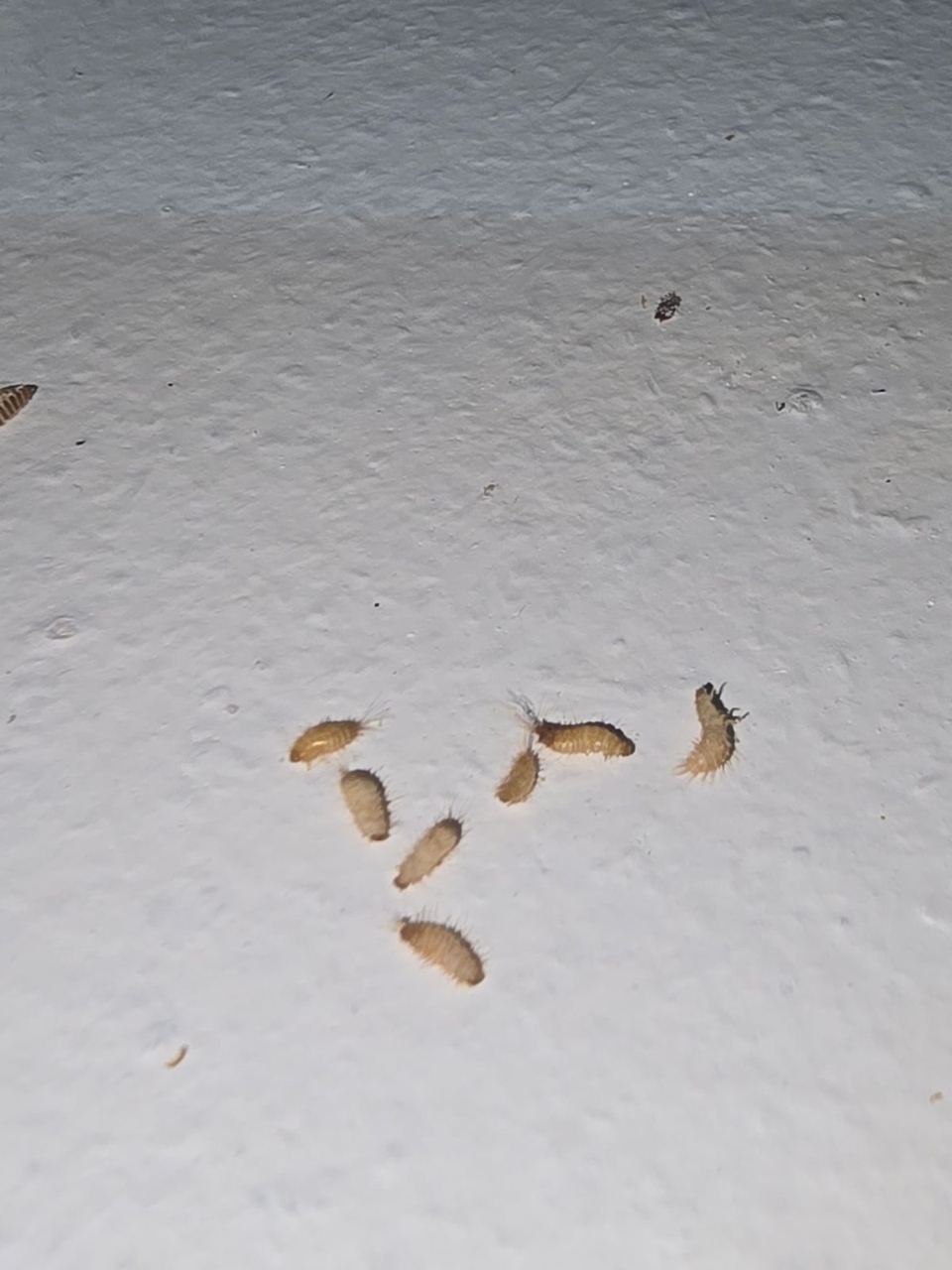 (opens full size in a new tab)
Dermestid larvae clusterLTK member · May 2025 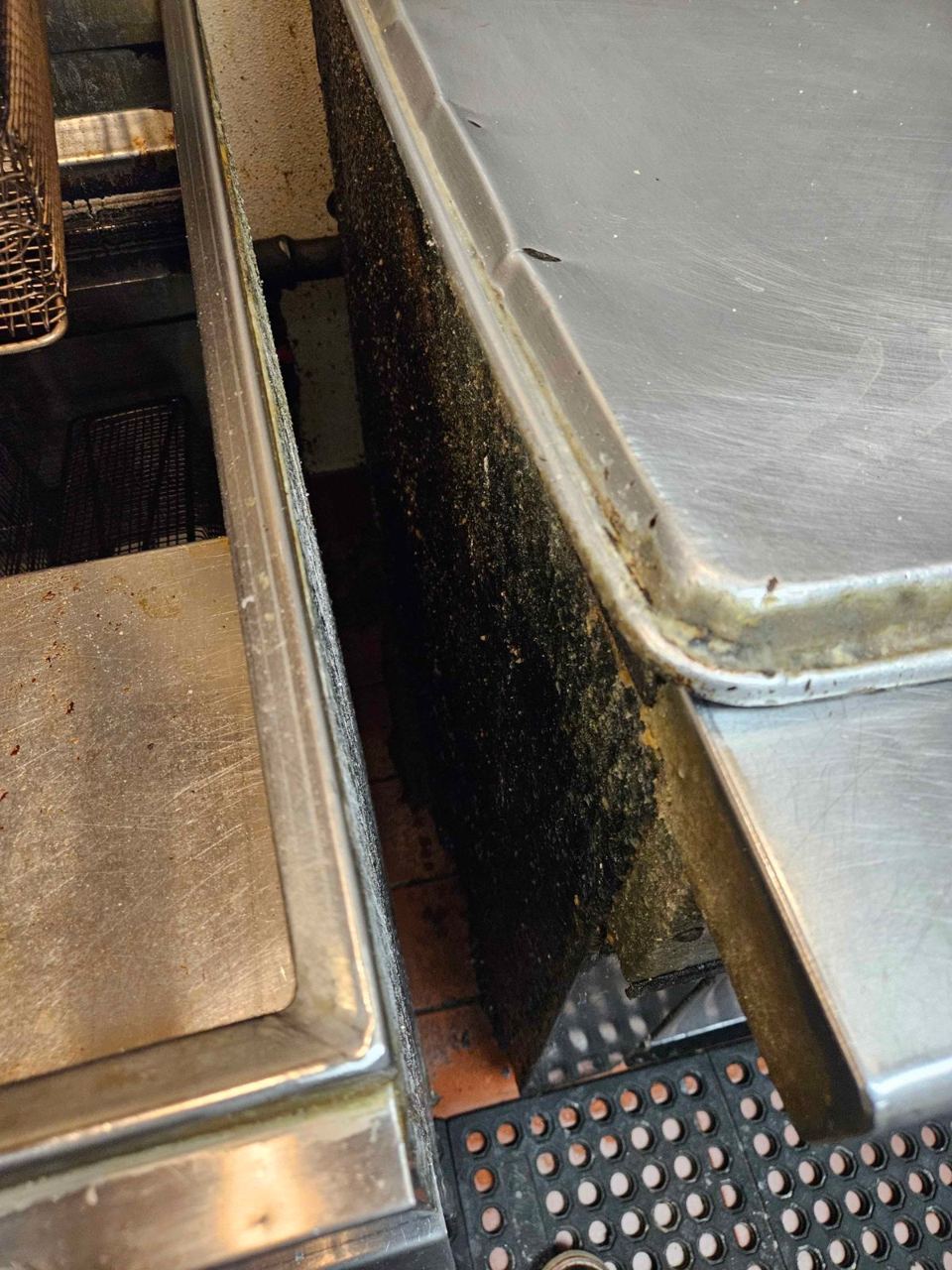 (opens full size in a new tab)
Grease in the equipment gapLTK member · Jan 2025  (opens full size in a new tab)
Nest material along the wall baseLTK member · Mar 2025 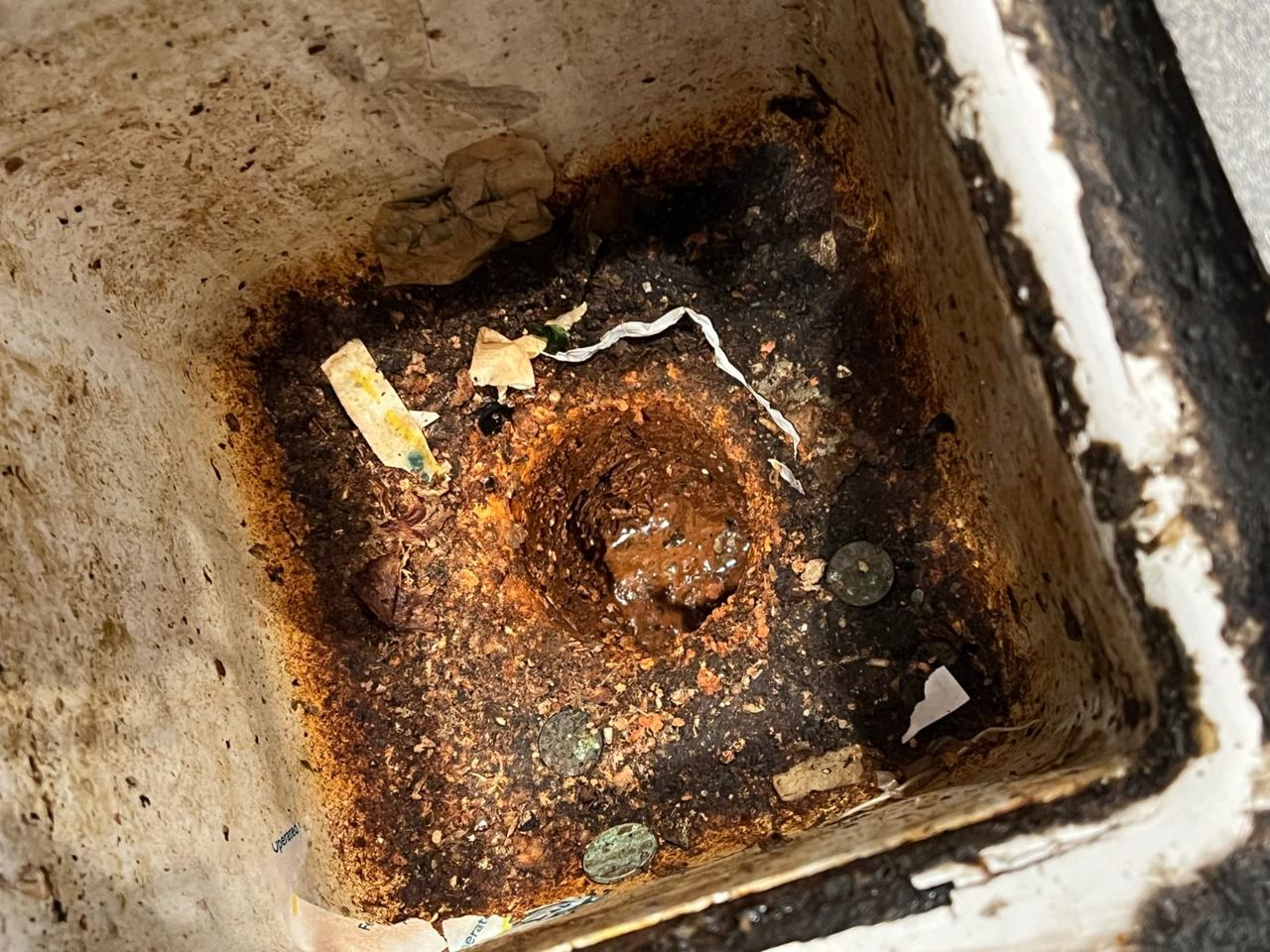 (opens full size in a new tab)
Floor drain full of sludgeLTK member · Apr 2025 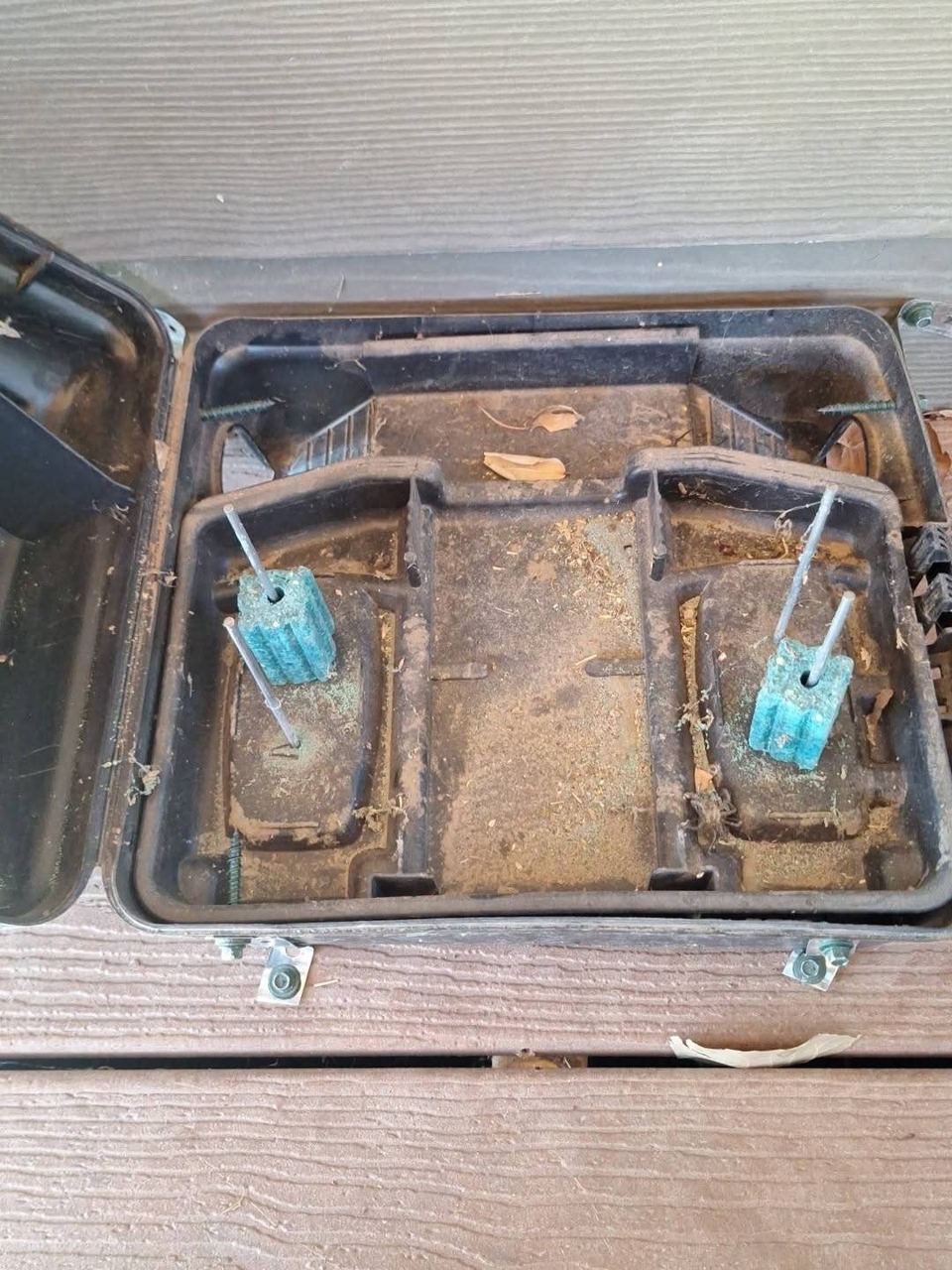 (opens full size in a new tab)
Serviced exterior bait stationLTK member · Jan 2026
From the LTK podcast
Every episodeIndustry Interview: Morgan Manderfield
1 hr 13 min
Morgan Manderfield, BCE and senior entomologist at Ecolab, on AI in pest identification, its promise and the reasons for caution, and where gaming culture meets pest work.
Where it fits in a career
People usually arrive from
Questions people ask
+Do I need a special licence to service food plants?
No separate food licence exists. You need your state pesticide licence or registration in the right category. The plant will keep a copy of it, and of your company licence, on file for its auditor.
+What is the difference between SQF, BRCGS and AIB?
SQF and BRCGS are food safety certification schemes recognised by the Global Food Safety Initiative (GFSI). Each sets requirements a certified site must meet, including a pest programme. AIB International publishes Consolidated Standards for Inspection; an AIB recognition document is valid for one year and AIB says it is not a certificate of compliance.
+Why is there no poison bait inside the plant?
The AIB standards say toxic bait is not used for routine interior monitoring. Interior devices are mechanical traps, glue boards and similar devices, so a rodent is caught where it can be found and removed.
+How often do I service the devices?
The scope of service and the facility assessment set it. Where no assessment exists, the AIB standards default to at least monthly for exterior rodent stations, at least weekly for interior rodent devices, and weekly light trap checks in the active season.
+What does an auditor actually look at in the pest programme?
The site map against the devices on the wall, service and application records, trend reports, specimen labels, technician credentials, the company licence, the insurance certificate, the scope of service, and live evidence of pests during the walk.
+Is restaurant work the same as food plant work?
The goals are the same, the rules differ. Restaurants follow the FDA Food Code as adopted by your state or local health department: covered tamper-resistant bait stations, no tracking powder pesticides, and only products whose labels allow use in a food establishment.
+Should I take the FSPCA PCQI course?
It is not required of pest technicians. It is a 2.5-day course on how plants build FSMA food safety plans. People heading toward auditing or quality assurance often find it useful because it is the system their clients work inside.
+Does commercial work pay more?
There is no national data that splits commercial from residential technicians. BLS counts both as pest control workers. Ask employers how commercial routes are paid and whether food facility credentials come with a raise.
Still deciding? Ask the people doing commercial and food safety every day in the LTK Discord.
Ask on Discord(opens Discord in a new tab)Sources
- eCFR: 21 CFR 117.35, Sanitary operations (pest control)
- eCFR: 21 CFR 117.10, Personnel
- FDA Food Code 2022
- SQF Food Safety Code: Food Manufacturing, Edition 9 (11.2.4 Pest Prevention)
- AIB International Consolidated Standards for Inspection: Prerequisite and Food Safety Programs (2022), copy hosted by AFDO
- GFSI: Recognised certification programme owners
- QualityPro Food Safety
- QualityPro Accreditation
- ESA Certification: Associate Certified Entomologist
- ESA Certification: BCE eligibility
- FSPCA (Food Safety Preventive Controls Alliance)
- Ohio State University: FSPCA Preventive Controls for Human Food training
- EPA: Certification Standards for Pesticide Applicators
- BLS Occupational Outlook Handbook: Pest Control Workers
- O*NET OnLine: 37-2021.00 Pest Control Workers
- BLS National Compensation Survey: Medical care benefits, March 2026 (Table 2)
- BLS National Compensation Survey: Retirement benefits, March 2026 (Table 1)
- BLS National Compensation Survey: Paid leave, March 2026 (Table 6)
- eCFR: 29 CFR 1910.147, Control of hazardous energy (lockout/tagout)
- eCFR: 29 CFR 1910.23, Ladders
Researched 2026-10-01. Licensing details change; confirm with your state agency before you rely on them.
