
Fields · Outdoor and public health
Turf and ornamental
What is turf and ornamental work?
Pest, weed and disease management on lawns, trees and landscape plantings.
Key factIts own category almost everywhere, and in several states you may license through either a structural or an agricultural programme.
Thinking about turf and ornamental? Ask the people doing it every day in the LTK Discord.
Ask on Discord(opens Discord in a new tab)What the job is really like
Turf and ornamental work is pest management for lawns, shrubs, flower beds and trees. You identify weeds, insects and plant diseases, then mix and apply herbicides, insecticides and fungicides, and often fertilizer, on a route of homes, businesses or grounds. BLS counts this work as pesticide handlers, sprayers and applicators, vegetation (SOC 37-3012), a detailed occupation inside grounds maintenance workers. O*NET's sample job titles for it include Lawn Specialist, Spray Technician, Shrub Technician, IPM Technician and Pesticide Applicator. It is a pesticide-licensed job almost everywhere: federal rules name ornamental and turf pest control as its own certification category, and states license it under names like 'Lawn and Ornamental' or 'Landscape Maintenance'. Employers include lawn care companies, pest control companies with lawn divisions, landscapers, golf courses and government grounds. It suits people who like plants, want to work outside, can handle a busy spring and summer, and are careful with chemicals and paperwork.
The day starts at the shop. You fill the truck's spray tank with water and product according to the mixing formula, which O*NET rates among the most important tasks of the job, along with mixing pesticides for trees, shrubs and lawns. Before the season and whenever anything changes, the sprayer is calibrated. Texas A&M AgriLife Extension calls a properly calibrated sprayer one of the most fundamental things in managing turf pests, and says to recalibrate whenever a factor such as nozzle, pressure or walking speed changes.
Then you run the route. O*NET lists establishing driving routes for applications as a core task. At each property you walk the lawn and beds and look for problems: weeds, insect damage, disease. Identifying lawn and plant diseases to choose a treatment is part of the job. EPA's integrated pest management framework asks you to set action thresholds, monitor and identify pests correctly, prevent problems where possible, and only then choose the control, starting with less risky options.
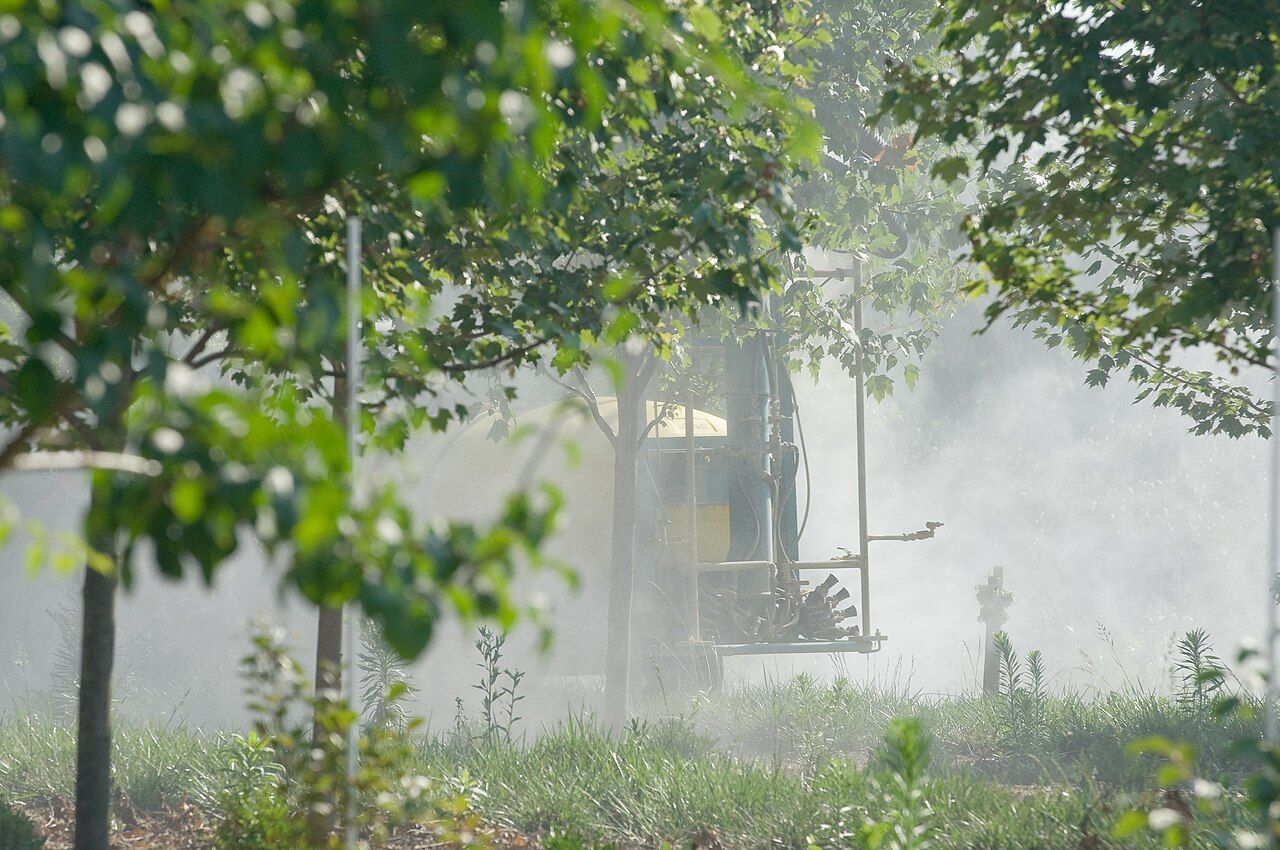
Weather decides what you can spray. Pesticide drift, the movement of spray away from the target, depends on wind speed, droplet size, release height and buffer zones, according to the National Pesticide Information Center, and temperature inversions make it worse. Applicators reduce drift by using nozzles that make larger droplets, spraying in calm weather, directing spray away from property lines and following label restrictions. O*NET describes applying with attention to weather, droplet size and obstructions, and lifting, pushing and swinging hoses and nozzles to cover the target area.
Records go with every stop. O*NET rates recording the type and amount of pesticide used as one of the two most important tasks in this occupation. Many stops also involve talking to the customer about what you found and what they should do about watering or mowing.
At the end of the day you clean and service the equipment, restock and finish paperwork. The year has a strong rhythm. BLS says grounds maintenance workers are busier and may work longer hours in spring, summer and fall, some jobs are seasonal, and some workers do other work such as snow removal in winter. O*NET data shows 64 percent of pesticide handlers, sprayers and applicators working more than 40 hours in a typical week.
Daily duties
- Fill sprayer tanks and mix pesticides according to label and company formulas
- Calibrate sprayers and spreaders and recalibrate when equipment or conditions change
- Plan and drive an efficient route of properties
- Inspect turf, shrubs, beds and trees for weeds, insects and disease
- Identify plant diseases and pests and choose the right treatment
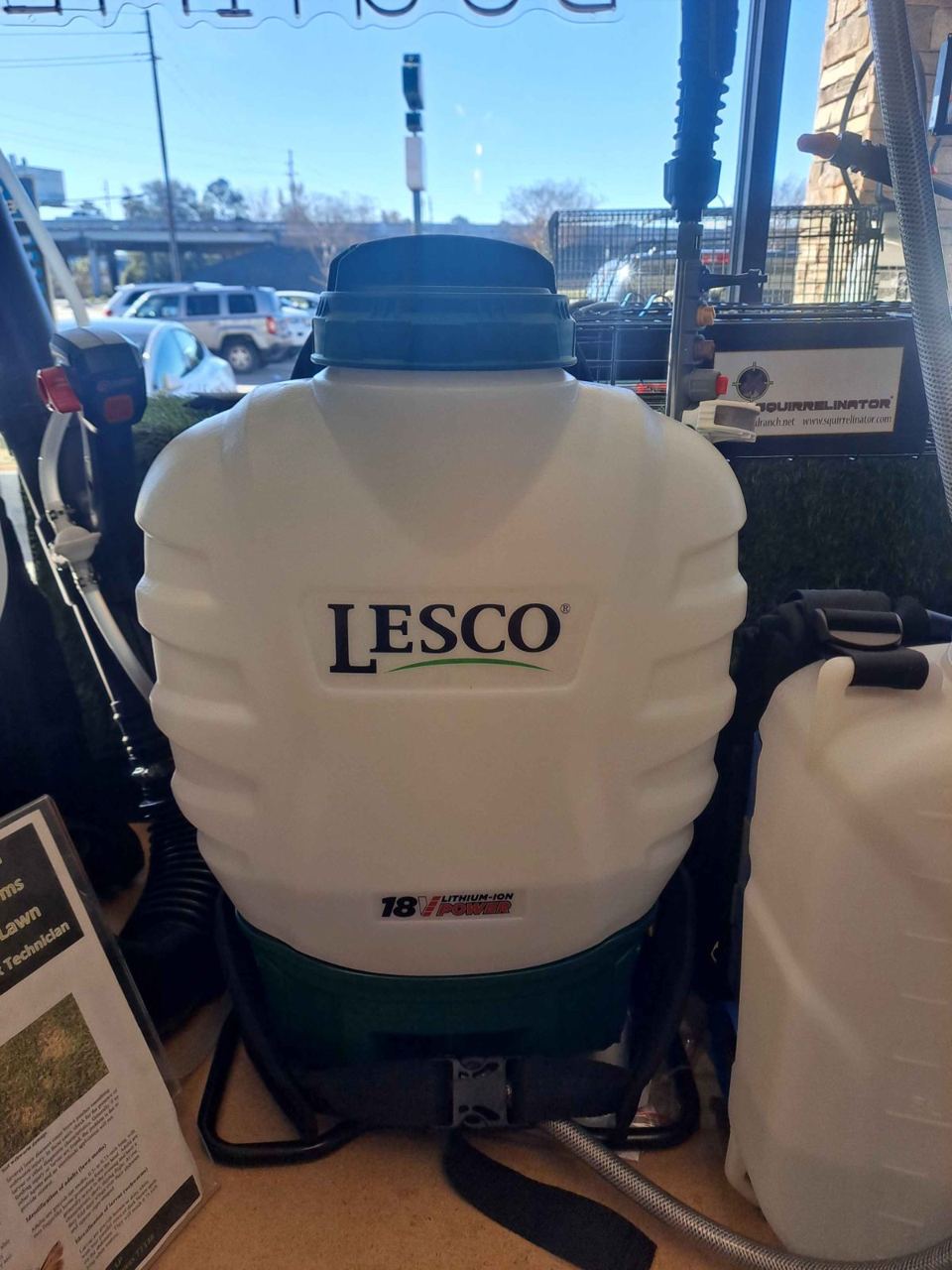
- Apply herbicides, insecticides and fungicides with hose reels, backpacks or spreaders
- Apply fertilizer where licensed and required
- Check wind and weather and adjust or postpone to prevent drift
- Post notices or leave paperwork as the state requires
- Record product, rate, amount and location for every application
- Explain findings and care instructions to customers
- Clean, service and maintain spray equipment
- Keep pesticide storage and the truck organized and secure
- Complete continuing education to keep the licence current
Work environment
- Schedule
- Full-time in season with long weeks. O*NET data shows 64 percent of pesticide handlers, sprayers and applicators work more than 40 hours a week. BLS says grounds maintenance workers may work longer hours in spring, summer and fall.
- Seasons
- Strongly seasonal. BLS says some grounds maintenance jobs are seasonal, available mainly in spring, summer and fall, and some workers do snow removal in winter. How long the season runs depends on your climate; ask employers whether the job is year-round.
- Physical
- On your feet and walking most of the day, dragging hose and carrying equipment. O*NET data shows 66 percent making repetitive motions more than half the time and 68 percent standing more than half the time. 56 percent work in very hot or very cold temperatures at least once a week.
- Hazards
- Chemical exposure is the main hazard. BLS says applicators of pesticides or fertilizers must wear protective gear such as appropriate clothing, gloves, goggles and sometimes respirators. O*NET data shows 29 percent exposed to hazardous conditions every day and 44 percent at least weekly, and 55 percent wearing protective equipment every day. Heat is a risk in summer (OSHA). Drift is a hazard to other people, pets and plants, not only to you.
- Vehicle and travel
- You drive a truck with spray equipment from property to property. O*NET lists truck-based spray equipment among the tools of this occupation and establishing driving routes as a core task. Ask whether the job needs a particular driver's licence class for the truck you will drive.
How people get in
From landscaping as often as from pest control. Horticultural knowledge matters more here than structural knowledge.
Training and licensing
Getting hired
O*NET places this occupation in Job Zone 1-2: a high school diploma or GED is usually needed, with little or no prior experience. Federal rules set 18 as the minimum age for commercial applicator certification. A horticulture, agronomy or turf background helps; in Florida a degree with 20 semester hours in horticulture, botany or agronomy can count toward the Lawn and Ornamental operator exam.
Learning on the job
BLS says pesticide handlers, sprayers and applicators may need additional training lasting up to a year. New hires usually apply under the direct supervision of a licensed applicator while they learn. Federal rules allow noncertified applicators to use restricted use pesticides under direct supervision if they complete required training, and Texas legislation (H.B. 1070, 2021) codified the state's long-standing practice of allowing licensed applicators to directly supervise unlicensed employees. Expect to learn mixing, calibration, plant and pest identification and record keeping in your first season.
Licensing
BLS says most states require licensing for workers who apply pesticides, usually by passing a test on proper use and disposal, while licensing for fertilizer handling varies. Federal rules (40 CFR part 171) set an ornamental and turf pest control category, require a core exam plus category exams, and make certification expire after five years unless renewed, with states free to set shorter cycles. EPA notes many states require certification for any commercial pesticide use, not just restricted use products. Which program licenses you varies. Texas puts 'Lawn and ornamental' and 'Weed control' inside its Structural Pest Control Service. Florida puts 'Lawn and Ornamental Pest Control' under its structural pest control law, and has a Limited Commercial Landscape Maintenance certificate that allows pesticides on plant beds and ornamentals only, with hand-held or backpack sprayers up to 5 gallons, and never on turf; Florida lawn maintenance companies may apply only fertilizer to turf. California runs landscape work through the Department of Pesticide Regulation: a Qualified Applicator License (its official name) in Category B (Landscape Maintenance) after passing the laws and regulations exam and a category exam at 70 percent, with 20 hours of continuing education every two years, four of them on laws and regulations. Check your state's page on this site and your state agency.
Certifications worth knowing
Landscape Industry Certified Technician (Turf Maintenance or Ornamental Maintenance specialty)
National Association of Landscape Professionals (NALP)
Two-part exam: a common core (communication, safety and first aid, vehicles, tools and equipment, basic maths) plus a specialty exam. Specialties include Turf Maintenance and Ornamental Maintenance.
International Society of Arboriculture
ISA's credential for tree care professionals; relevant if your work moves into tree and shrub health. Eligibility and exam details are in ISA's program guide.
Associate Certified Entomologist (ACE)
Entomological Society of America
For pest professionals with at least 5 years of verifiable experience and a current US pesticide applicator's licence who pass ESA's exam.
- In plain words
- Its own category almost everywhere, and in several states you may license through either a structural or an agricultural programme.
- Government pay data
- Not tracked as its own job by the Bureau of Labor Statistics
Skills and tools
- Identifying turf and ornamental weeds, insects and diseases
- Accurate mixing and rate calculations
- Sprayer and spreader calibration
- Reading pesticide labels and following them exactly
- Judging wind and weather to prevent drift
- Route planning and time management
- Customer communication
- Thorough application records
- Physical stamina for long, hot days
- Truck-mounted spray tank with pump and agitator
- Hose reel and spray gun
- Backpack sprayer
- Granular rotary spreader
- Measuring containers and scales for mixing
- Calibration tools: measuring tape, stopwatch, collection jar
- Hand lens and soil probe for diagnosis
- Wind meter
- Tablet or phone for route and application records
- Gloves, eye protection and other PPE required by the label
- Seed spreader (listed by O*NET as a supplemental tool)
Career path
- 01Seasonal applicator or traineeApply under the direct supervision of a licensed applicator while you learn mixing, calibration and identification. BLS says training can take up to a year.
- 02Licensed applicator or lawn specialistPass your state's core and turf and ornamental category exams and run your own route.
- 03Senior technician, diagnostician or trainerHandle problem accounts, diagnose disease and insect issues, train new hires. NALP certification or an ISA credential can mark this step.
- 04SupervisorLead crews and routes. BLS counts first-line supervisors of landscaping, lawn service and groundskeeping workers separately: a May 2025 median of $58,430.
- 05Branch manager or ownerRun a branch or your own company. In Florida, for example, a certified operator needs a high school diploma and three years as a service employee of a licensee, or a qualifying degree plus one year.
Pay and benefits
The Bureau of Labor Statistics doesn’t track this field as its own job, so these are the national numbers for pest control workers — the closest published benchmark, not this field’s own pay.
- $45,250Median annual pay · $21.75/hr source (BLS, opens in a new tab)
- $34,680–$61,890Lowest 10% to highest 10% of earners source (BLS, opens in a new tab)
- +6%Projected job growth 2025–2035 (all jobs: 3%) source (BLS, opens in a new tab)
- 13,700Openings projected each year, on average source (BLS, opens in a new tab)
$44,930 median inside exterminating and pest control services
$50,980 median across all US occupations
What these numbers leave out
- Self-employed workers — so owner-operators are absent entirely
- Overtime premium pay, shift differentials and non-production bonuses (commissions and production bonuses are included)
- Seasonal variation (annual figures assume 2,080 hours)
Real route pay depends on commission, truck and tool allowances and overtime. Compare notes in the Discord.
BLS tracks this field directly as pesticide handlers, sprayers and applicators, vegetation (SOC 37-3012). In May 2025 the median annual wage was $46,340 ($22.28 an hour); the lowest 10 percent earned under $35,570 and the highest 10 percent over $61,420. The mean was $47,070. OEWS counted 27,050 jobs. In landscaping services, the largest employer with 13,080 of these jobs, the median was $46,290; in exterminating and pest control services (2,240 jobs) it was $41,390; in local government (2,050 jobs) it was $46,920. For comparison, pest control workers had a median of $45,250. BLS projects 4 percent growth for this occupation from 2025 to 2035, from 25,700 to 26,700 jobs (the projections use a slightly different employment base than OEWS). Supervisors of landscaping, lawn service and groundskeeping workers earned a median of $58,430. OEWS excludes the self-employed and does not capture overtime, commission or seasonal swings, which matter a lot in this field.
Benefits
Pesticide applicators fall in BLS's service occupations group for benefits. In March 2026, private industry workers in service occupations had 47 percent access to medical care benefits, 47 percent to retirement benefits, 67 percent to paid sick leave, 57 percent to paid vacation and 56 percent to paid holidays. State and local government workers in service occupations had much higher access (82 percent medical, 85 percent retirement). Seasonal jobs may carry fewer benefits. Ask employers about vehicles, uniforms, paid licensing and training, and any production or commission pay; we found no neutral source measuring these for lawn care.
State-by-state licensing
This field runs through each state’s pesticide licensing programme, and every state names and splits its categories differently. Here’s what it’s called in the states we’ve verified so far.
- AlabamaALAlabama Department of Agriculture and Industries (ADAI) — Pesticide Management DivisionOTPS — Ornamental and Turf Pest Control Supervisor · OTPC — Ornamental and Turf Pest Control (Custodial)
- AlaskaAKAlaska Department of Environmental Conservation (DEC) — Pesticide Control Program4 — Ornamental and turf pest control
- ArizonaAZArizona Department of Agriculture — Office of Pest Management (OPM), formerly the Pest Management Division (PMD)171.101(c) — Ornamental and turf pest control
- ArkansasARArkansas Department of Agriculture — Pest Control Program (Arkansas State Plant Board rules)4 — Tree and Turf Pest Control · 9 — Non-Commercial Tree & Turf Pest Control
- CaliforniaCACalifornia Structural Pest Control Board (SPCB), Department of Consumer AffairsSee the full list of licence categories
- ColoradoCOColorado Department of Agriculture (CDA) — Pesticide Applicator Certification and Licensing Program206 — Turf Pest Control · 207 — Ornamental Pest Control
- ConnecticutCTConnecticut Department of Energy and Environmental Protection (DEEP) — Pesticide Management Program3A — Ornamental and Turf
- DelawareDEDelaware Department of Agriculture (DDA) — Pesticides Section03 — Ornamental & Turf
- FloridaFLFlorida Department of Agriculture and Consumer Services (FDACS) — Bureau of Licensing and EnforcementL&O — Lawn and ornamental pest control
- GeorgiaGAGeorgia Department of Agriculture — Structural Pest Control Section (Georgia Structural Pest Control Commission)See the full list of licence categories
- HawaiiHIHawaii Pest Control Board, Department of Commerce and Consumer Affairs (DCCA) Professional and Vocational Licensing — with applicator certification by the Hawaii Department of Agriculture and Biosecurity (DAB) Pesticides Branch3 — Ornamental & Turf Pest Control
- IdahoIDIdaho State Department of Agriculture (ISDA) — Agricultural Resources Division, Pesticide Applicator Licensing & CertificationOP — Ornamental Pest
- IllinoisILIllinois Department of Public Health (IDPH) — Division of Environmental Health, Structural Pest Control ProgramSee the full list of licence categories
- IndianaINOffice of Indiana State Chemist (OISC) — Pesticide Section, Purdue University3a — Ornamental Pest Management · 3b — Turf Management
- IowaIAIowa Department of Agriculture and Land Stewardship (IDALS) — Pesticide Bureau3OT — Ornamental and turf pest control · 3T — Turf pest control · 3O — Ornamental pest control
- KansasKSKansas Department of Agriculture (KDA) — Pesticide and Fertilizer Program3A — Ornamental pest control · 3B — Turf pest control
- KentuckyKYKentucky Department of Agriculture (KDA) — Structural Pest Control Branch3 — Ornamental, turf and lawn care
- LouisianaLALouisiana Department of Agriculture and Forestry (LDAF) — Structural Pest Control CommissionSee the full list of licence categories
- MaineMEMaine Board of Pesticides Control (BPC), Department of Agriculture, Conservation and Forestry3A — Outdoor Ornamentals · 3B — Turf · 3C — Indoor Ornamentals
- MarylandMDMaryland Department of Agriculture (MDA) — Pesticide Regulation Section3A — Ornamental plants and shade trees-exterior · 3B — Ornamental plants-interior · 3C — Turf and lawn pest control
- MassachusettsMAMassachusetts Department of Agricultural Resources (MDAR) — Pesticide Program36 — Shade Trees & Ornamentals · 37 — Turf
- MichiganMIMichigan Department of Agriculture and Rural Development (MDARD) — Pesticide Section3A — Turfgrass Pest Management · 3B — Ornamental Pest Management
- MinnesotaMNMinnesota Department of Agriculture (MDA) — Pesticide & Fertilizer Management DivisionE — Turf & Ornamentals
- MississippiMSMississippi Department of Agriculture and Commerce (MDAC) — Bureau of Plant IndustrySee the full list of licence categories
- MissouriMOMissouri Department of Agriculture — Bureau of Pesticide Control3 — Ornamental and Turf Pest Control
- MontanaMTMontana Department of Agriculture (MDA) — Pesticide Program3 — Ornamental and Turf Pest Control
- NebraskaNENebraska Department of Agriculture (NDA) — Pesticide Program04 — Ornamental and Turf Pest Control
- NevadaNVNevada Department of Agriculture — Pest Control SectionSee the full list of licence categories
- New HampshireNHNew Hampshire Department of Agriculture, Markets and Food — Division of Pesticide ControlG1 — Shade and ornamental pest control · G2 — Turf
- New JerseyNJNew Jersey Department of Environmental Protection (NJDEP) — Pesticide Control Program3A — Ornamental · 3B — Turf
- New MexicoNMNew Mexico Department of Agriculture (NMDA), New Mexico State University — Pesticide Compliance3A — Ornamental & Turf Pests · 3B — Ornamental & Turf Weeds
- New YorkNYNew York State Department of Environmental Conservation (NYSDEC) — Bureau of Pesticides Management3A — Ornamentals, Shade Trees & Turf · 3B — Turf
- North CarolinaNCNorth Carolina Department of Agriculture and Consumer Services (NCDA&CS) — Structural Pest Control and Pesticides DivisionSee the full list of licence categories
- North DakotaNDNorth Dakota Pesticide Control Board / North Dakota Department of Agriculture — certification delegated to NDSU Extension Pesticide ProgramClass 4 — Ornamental and turf pest control
- OhioOHOhio Department of Agriculture (ODA) — Division of Plant Health, Pesticide & Fertilizer Regulation6a — General ornamental pest control · 8 — Turf pest control
- OklahomaOKOklahoma Department of Agriculture, Food, and Forestry (ODAFF) — Consumer Protection Services Division3a — Ornamental and Turf Outdoor Pest Control
- OregonOROregon Department of Agriculture (ODA) — Pesticides ProgramCategory — Ornamental and Turf Pest Control
- PennsylvaniaPAPennsylvania Department of Agriculture (PDA) — Bureau of Plant Industry, Pesticide Programs06 — Ornamental and Shade Trees · 07 — Lawn and Turf
- Rhode IslandRIRhode Island Department of Environmental Management (DEM) — Division of Agriculture, PesticidesSee the full list of licence categories
- South CarolinaSCClemson University — Department of Pesticide Regulation (DPR)3 — Ornamental and turf pest control
- South DakotaSDSouth Dakota Department of Agriculture and Natural Resources (DANR) — Division of Agriculture & Environmental Services4 — Ornamental & Turf pest control
- TennesseeTNTennessee Department of Agriculture (TDA) — Consumer and Industry Services, PesticidesHLT — Horticulture - Lawn and Turf (requires C03) · C03 — Ornamental and Turf
- TexasTXTexas Department of Agriculture — Structural Pest Control Service (SPCS)LO — Lawn and ornamental
- UtahUTUtah Department of Agriculture and Food (UDAF) — Pesticide Program3 — Ornamental and Turf Pest Control
- VermontVTVermont Agency of Agriculture, Food and Markets (VAAFM) — Public Health and Agricultural Resource Management Division3A — Ornamental & Shade Trees · 3B — Turf
- VirginiaVAVirginia Department of Agriculture and Consumer Services (VDACS) — Office of Pesticide Services3A — Ornamental Pest Control · 3B — Turf
- WashingtonWAWashington State Department of Agriculture (WSDA) — Pesticide Management DivisionSee the full list of licence categories
- West VirginiaWVWest Virginia Department of Agriculture (WVDA) — Pesticide & Environmental Services Division4 — Ornamental and Turf
- WisconsinWIWisconsin Department of Agriculture, Trade and Consumer Protection (DATCP) — Bureau of Agrichemical Management3.0 — Turf & Landscape
- WyomingWYWyoming Department of Agriculture (WDA) — Technical Services Division, Pesticide Program903 — Ornamental and Turf Pest Control
Your state not here yet? We add states only after checking them against the state agency. Ask in the Discord — someone there has licensed in it.
The good and the hard
- Outdoor work with plants, and a clear, visible result on the lawns you treat.
- BLS tracks this job directly, so you can see real pay data: a May 2025 median of $46,340.
- A recognized licence category almost everywhere, which travels between employers.
- Plenty of independence on a route; O*NET reports most workers have a lot of freedom to set priorities.
- Clear steps up to supervisor (median $58,430) and ownership.
- Seasonal, with long weeks in spring and summer and possible slow winters.
- Daily pesticide handling and protective gear.
- Weather controls your schedule; wind and inversions can stop applications.
- Repetitive, physical work: dragging hose, walking and standing most of the day.
- Licensing names and rules differ by state and sometimes sit in a different agency than pest control.
Where it fits in a career
People usually arrive from
Questions people ask
+Is this pest control or landscaping?
Both. BLS counts it as a grounds maintenance occupation, but it is licensed as pesticide work. In some states (Texas, Florida) the licence sits in the structural pest control program; in California it is under the Department of Pesticide Regulation.
+Can a mowing company spray weeds in the lawn?
Not without the right licence. In Florida, for example, lawn maintenance companies may apply only fertilizer to turf, and the limited landscape certificate covers plant beds and ornamentals only, never turf.
+Do I need a degree?
No. O*NET says a high school diploma or GED is usually required. Horticulture, agronomy or botany coursework helps and can count toward some licences.
+Which licence category is it?
Federal rules call it ornamental and turf pest control. States use names like Lawn and Ornamental (Texas, Florida) or Landscape Maintenance, Category B (California). Check your state.
+Is the work year-round?
Often not. BLS says some grounds jobs are seasonal and busiest in spring, summer and fall, with some workers doing snow removal in winter.
+Is it bad for my health?
Pesticide exposure is a real hazard, which is why labels require protective gear and BLS notes applicators wear gloves, goggles and sometimes respirators. Follow the label every time and ask what PPE your employer supplies.
+Does it pay better than pest control?
Slightly, on BLS numbers: a May 2025 median of $46,340 for vegetation pesticide applicators versus $45,250 for pest control workers. Commission and overtime are not included in either.
+How long before I can work alone?
BLS says pesticide applicators may need up to a year of training. You will need your state licence before applying without supervision.
Still deciding? Ask the people doing turf and ornamental every day in the LTK Discord.
Ask on Discord(opens Discord in a new tab)Sources
- BLS Occupational Outlook Handbook: Grounds Maintenance Workers
- O*NET OnLine: Pesticide Handlers, Sprayers, and Applicators, Vegetation (37-3012.00)
- BLS OEWS May 2025 via BLS Public Data API (series OEUN000000000000037301213, OEUN000000056173037301213, OEUN000000000000037101213 and related)
- BLS Employee Benefits in the United States, March 2026: Table 2, Medical care benefits
- BLS Employee Benefits in the United States, March 2026: Table 1, Retirement benefits
- BLS Employee Benefits in the United States, March 2026: Table 6, Paid leave
- eCFR: 40 CFR part 171, Certification of Pesticide Applicators
- EPA: Certification Standards for Pesticide Applicators
- FDACS: Pest Control Licensing and Certification
- FDACS: Can lawn maintenance companies make pesticide applications on my property?
- California DPR: Qualified Applicator License packet
- Texas House Research Organization bill analysis, H.B. 1070 (87R)
- National Pesticide Information Center: Pesticide Drift
- Texas A&M AgriLife Extension: Lawn care requires proper spray applicator calibration
- EPA: Integrated Pest Management (IPM) Principles
- NALP: Landscape Industry Certified Technician
- ISA: Certified Arborist
- OSHA: Heat Exposure
- ESA: Associate Certified Entomologist
Researched 2026-10-01. Licensing details change; confirm with your state agency before you rely on them.
