
Fields · Exclusion and building work
Exclusion and pest-proofing
What is exclusion and pest-proofing work?
Sealing structures so pests cannot get in — the permanent fix that chemical treatment alone never achieves.
Key factOften needs no pesticide licence, but may touch contractor licensing depending on the state and the scale of the work.
Thinking about exclusion and pest-proofing? Ask the people doing it every day in the LTK Discord.
Ask on Discord(opens Discord in a new tab)What the job is really like
Exclusion is the work of keeping pests out of a building for good. You find the gaps that rodents, bats, birds, insects and other wildlife use to get in, and you close them with materials the animal cannot chew through or squeeze past. University of California IPM calls exclusion, or 'building them out', the most successful and longest-lasting strategy for rat control around structures. The job is closer to light construction than to spraying: ladders, rooflines, crawlspaces, hardware cloth, sheet metal and sealant. It suits people who like building and fixing things, who are comfortable at height and in tight spaces, who notice small details, and who want work they can point at when the day is done. It is also a field with an unusual legal position. In some states, exclusion done without pesticides sits outside pest control law altogether. In others it needs a pest licence or a limited certificate, and contractor licensing can come into play on bigger jobs. BLS does not track exclusion as its own occupation, so pay figures here are honest approximations, clearly labelled.
Most days start at the truck. Exclusion crews carry more hardware than a typical pest route: extension and step ladders, sheet metal, galvanized mesh, steel wool, sealants, a drill and fasteners, and the personal protective gear for attics and crawlspaces. BLS describes pest control work in general as travel to a client's home or business, indoors and outdoors, in all types of weather, and that is exactly what exclusion looks like.
A large share of the work is inspection. You walk the outside of the building looking at the roofline, eaves, soffits and rafters, the foundation, vents, doors and windows without weather stripping, and every place a pipe, cable, gas line or electrical line goes through a wall. Inside, you look in attics, basements, closets, under sinks and behind appliances. These are the same places the CDC tells homeowners to check. The reason it takes so long is the size of the target: the CDC notes a mouse can fit through a hole the width of a pencil, about a quarter of an inch. You photograph and measure what you find, and on many jobs you also write the estimate. BLS lists measuring the area to be treated, estimating the cost of services and creating barriers to prevent pests from entering among the core duties of pest control workers.
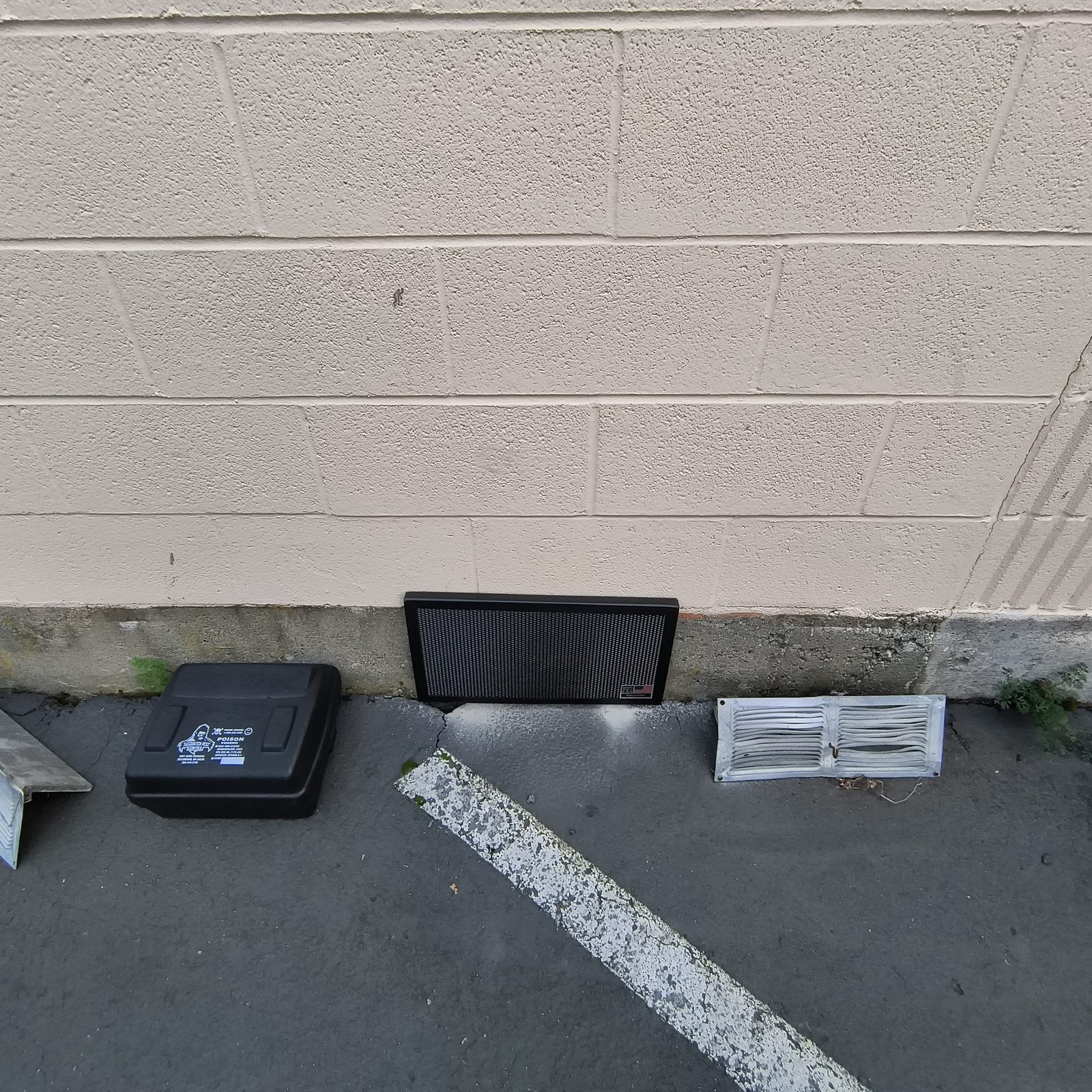
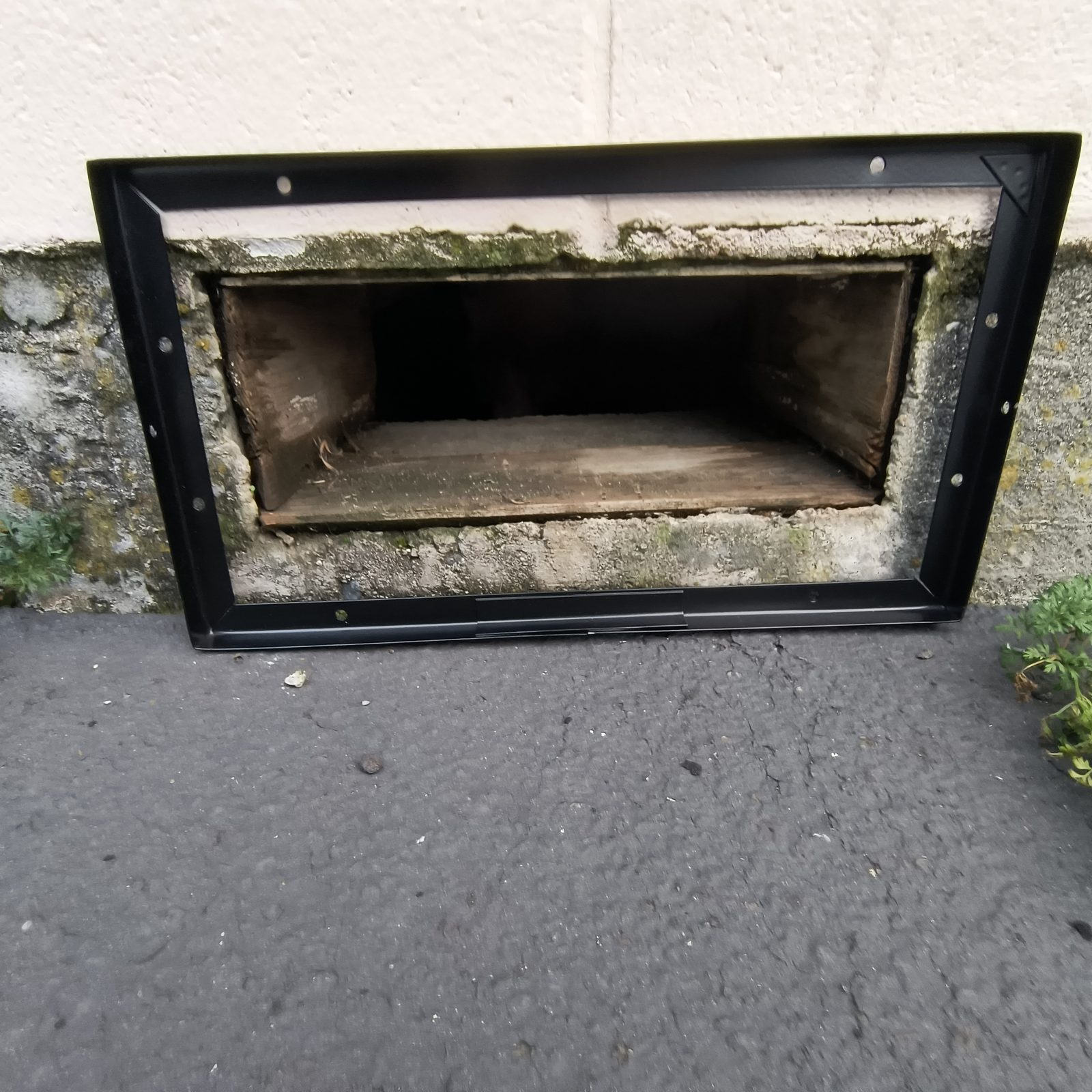
Install days are hands-on. Small holes get steel wool held in with caulk or foam; larger openings get lath screen or metal, cement, hardware cloth or metal sheeting, which is the material list the CDC gives. Material choice matters more than it looks. UC IPM warns that rats can chew through plastic, foam, wood and caulk, recommends sealing every hole larger than a quarter inch to keep out both rats and mice, specifies 18-gauge or 16-gauge galvanized half-inch mesh for vent grills, and says never to use lightweight chicken wire. Much of this is done on a ladder at the roofline or on your knees in a crawlspace.
Exclusion rarely works alone, and the crew has to coordinate with whoever handles trapping or baiting. UC IPM advises minimizing entry points before baiting outside, so poisoned rats do not come inside to die. Where wildlife is involved, timing is set by the animal and by state wildlife law. Bat exclusion is the clearest example: Wisconsin prohibits bat exclusions from June 1 to August 15 to protect mothers and flightless pups, and Georgia says bat exclusions should be avoided between April 1 and July 31, with any exclusion in that window done by a licensed Nuisance Wildlife Control Operator. The dates are different in each state, so the schedule on a bat job comes from the local rule, not from the sales calendar.
The rest of the week is follow-up and paperwork: return visits to check that sealed points held and that no new activity has appeared, photos for the customer file, and notes for the technician who services the account. Weather decides a lot. Roof and ladder work stops when it is unsafe, and OSHA requires fall protection at four feet in general industry and six feet in construction, so the job plan has to account for height from the start.
Daily duties
- Inspect the exterior of buildings for entry points: rooflines, eaves, soffits, rafters, vents, foundation gaps and utility penetrations
- Inspect attics, crawlspaces, basements and interior voids for signs of activity such as droppings, nesting, rub marks and gnawing
- Measure openings and work areas, photograph findings and record them on a diagram or report
- Estimate materials, labour and cost, and explain the findings to the customer
- Seal small gaps with steel wool and sealant or foam, following the CDC approach
- Close larger openings with hardware cloth, galvanized mesh, sheet metal, lath or cement, choosing materials pests cannot chew through
- Screen vents and grills with heavy-gauge galvanized mesh rather than lightweight wire
- Install door sweeps, weather stripping and other barriers at doors and windows
- Coordinate with trapping or baiting so entry points are closed in the right order
- Time wildlife and bat exclusions around state maternity-season rules
- Work safely on ladders and rooflines, using fall protection where required
- Wear protective equipment around rodent, bird and bat droppings and follow cleanup procedures
- Return to check sealed points and document any new activity
- Keep records of work done, materials used and follow-up findings
Work environment
- Schedule
- BLS reports that most pest control workers are employed full time, that evenings and weekends are common, and that some work more than 40 hours a week. O*NET survey data for pest control workers shows 45 percent reporting more than 40 hours in a typical week. These figures cover pest control workers broadly, not exclusion crews specifically. Ask any employer how install days are scheduled and whether long roof jobs run into overtime.
- Seasons
- Seasonal limits come mainly from wildlife law and weather. Bat exclusion windows are set by state wildlife agencies (for example June 1 to August 15 prohibited in Wisconsin, April 1 to July 31 avoided in Georgia). Roof work stops in unsafe weather. No source we found measures how demand for exclusion rises and falls through the year, so ask employers what a slow month looks like.
- Physical
- Expect ladders, rooflines, crawling and kneeling. BLS notes pest control workers may spend hours standing, bending, kneeling or crawling, and must withstand summer heat in attics and winter cold in crawl spaces. In O*NET data for pest control workers, 16 percent work in cramped spaces or awkward positions every day and 48 percent at least once a week, and 40 percent are exposed to high places at least monthly.
- Hazards
- Falls are the headline risk: OSHA says falls are among the most common causes of serious work-related injuries and deaths, and requires fall protection at four feet in general industry and six feet in construction. Rodent droppings and nests carry disease risk; the CDC says not to sweep or vacuum them, to wet them with disinfectant first, and recommends a HEPA-filtered respirator for heavy infestations. Histoplasmosis comes from breathing spores in soil or material rich in bird or bat droppings, and disturbing those accumulations is a key factor in outbreaks. Attic heat is a real risk; OSHA lists heavy physical activity, hot conditions, lack of acclimatization and heat-holding clothing as risk factors.
- Vehicle and travel
- You drive between job sites all day. O*NET data shows 95 percent of pest control workers work in an enclosed vehicle every day, and BLS notes many pest control companies require a driver's licence and a good driving record. Exclusion trucks also carry ladders and sheet goods, so ask whether you will be driving a larger vehicle or towing.
How people get in
From pest, from wildlife, or straight from construction. Construction people often become the best exclusion techs because they already understand how buildings are put together.
Training and licensing
Getting hired
BLS says pest control workers typically need a high school diploma or equivalent, and that many companies require a driver's licence and a good driving record. Construction experience is a genuine advantage, because exclusion is about how buildings are put together. If the role also involves applying pesticides, federal rules set a minimum age of 18 for commercial applicator certification. Whether an employer runs background checks or drug tests is not something we found a neutral source for; ask.
Learning on the job
There is no standard exclusion curriculum. Most people learn by working beside an experienced technician: inspecting, measuring, choosing materials and doing installs. BLS notes general pest control training can usually be completed in under three months, but learning to read a building well takes longer than that. Ask whether the employer provides ladder and fall-protection training, respirator fit testing, and time with a senior inspector before you write estimates on your own.
Licensing
This is where exclusion differs most from the rest of pest control. Three examples show the range. Texas: the Structural Pest Control Act does not apply to the installation, maintenance or use of a nonpesticidal barrier to remove or prevent infestation by nuisance animals, when done without a pesticide (Occupations Code 1951.058). California: people doing live capture and removal or exclusion of vertebrate pests from a structure without pesticides are exempt from structural pest control licensing if they carry the required insurance, but the exemption defines vertebrate pests to exclude mice, rats and pigeons (Business and Professions Code 8555). Florida: anyone doing commercial wildlife trapping with nonchemical methods, including exclusionary techniques, to control commensal rodents needs a limited certificate under Florida Statutes 482.157, which does not allow pesticide use or running a pest control business. The moment a pesticide is used, normal state pesticide licensing applies. Bigger structural jobs can also touch contractor licensing: in California, CSLB requires a licence for work that needs a permit, uses employees, or totals $1,000 or more. Whether a given exclusion job counts as construction is a question for the state board. Bat and wildlife work adds state wildlife agency rules. Check your state's page on this site and the agency itself before quoting or doing work.
Certifications worth knowing
Certified Wildlife Control Professional (CWCP)
National Wildlife Control Operators Association (NWCOA)
Senior credential for wildlife control operators. Requires 5 years of WCO experience totalling 10,000 hours (or 10,000 hours over 8 years part-time), two NWCOA certifications or equivalent training, an 85 percent pass on the CWCP exam, and an ethics pledge.
Bat Standards Certified / Rodent Standards Certified
National Wildlife Control Operators Association (NWCOA)
NWCOA training certifications covering bat management and exclusion, and rodent control. NWCOA also lists third-party courses in working at heights (W.A.H.S.P.) and sealants.
Associate Certified Entomologist (ACE)
Entomological Society of America
For experienced pest professionals: at least 5 years of verifiable pest management experience, a current US pesticide applicator's licence, and a pass on an exam on structural pest control knowledge. ESA advises at least 40 hours of preparation.
QualityPro (company accreditation)
QualityPro, endorsed by the National Pest Management Association
Accredits pest management companies, not individuals. Worth knowing because some employers advertise it.
- In plain words
- Often needs no pesticide licence, but may touch contractor licensing depending on the state and the scale of the work.
- Government pay data
- Not tracked as its own job by the Bureau of Labor Statistics
Skills and tools
- Reading a building: how roofs, soffits, foundations and utility runs fit together
- Spotting small entry points and signs of activity such as rub marks, gnawing and droppings
- Knowing which materials each pest can and cannot chew through
- Safe ladder and roofline work
- Basic carpentry and sheet-metal skills with hand and power tools
- Measuring and estimating materials and labour
- Explaining findings plainly to customers, with photos
- Knowing the wildlife rules that set timing, especially for bats
- Careful record keeping
- Extension ladders, step ladders and ladder stabilizers
- Fall-protection harness and anchor points where required
- Flashlight or headlamp and inspection mirror
- Camera or phone for documenting entry points
- Tape measure
- Cordless drill, driver and fasteners
- Tin snips and sheet-metal tools
- Galvanized hardware cloth and expanded metal mesh (heavy gauge)
- Sheet metal and flashing
- Steel wool or copper mesh
- Sealants, caulk guns and foam
- Mortar or cement for foundation gaps
- Door sweeps and weather stripping
- Respirator, gloves, coveralls and eye protection
Career path
- 01Helper or new exclusion technicianCarry materials, learn ladders, do installs under a senior tech. People from construction often move fastest here.
- 02Exclusion technicianRun installs on your own, choose materials, handle follow-ups. If the employer also applies pesticides, this is when many get a state licence.
- 03Inspector or estimatorDo the inspections and write the quotes. This seat decides what the crew installs, so it needs both building knowledge and customer skills.
- 04Wildlife or bat specialistAdd wildlife work, which brings state wildlife licensing and seasonal rules. NWCOA certifications, and later the CWCP after 5 years and 10,000 hours, mark this path.
- 05Crew lead or managerSchedule crews, check quality, train new techs and manage safety. BLS notes experienced pest control workers may become supervisors.
- 06OwnerSome workers start their own business, BLS notes. Exclusion owners must work out which pest, wildlife and contractor licences their state requires before they open.
Pay and benefits
The Bureau of Labor Statistics doesn’t track this field as its own job, so these are the national numbers for pest control workers — the closest published benchmark, not this field’s own pay.
- $45,250Median annual pay · $21.75/hr source (BLS, opens in a new tab)
- $34,680–$61,890Lowest 10% to highest 10% of earners source (BLS, opens in a new tab)
- +6%Projected job growth 2025–2035 (all jobs: 3%) source (BLS, opens in a new tab)
- 13,700Openings projected each year, on average source (BLS, opens in a new tab)
$44,930 median inside exterminating and pest control services
$50,980 median across all US occupations
What these numbers leave out
- Self-employed workers — so owner-operators are absent entirely
- Overtime premium pay, shift differentials and non-production bonuses (commissions and production bonuses are included)
- Seasonal variation (annual figures assume 2,080 hours)
Real route pay depends on commission, truck and tool allowances and overtime. Compare notes in the Discord.
BLS does not track exclusion as a separate occupation. Exclusion technicians employed by pest control companies are most likely counted as pest control workers (SOC 37-2021), so that is the closest honest figure. In May 2025 the median annual wage for pest control workers was $45,250 ($21.75 an hour). The lowest 10 percent earned less than $34,680 and the highest 10 percent more than $61,890. Inside the exterminating and pest control services industry, where 88 percent of these workers are employed, the median was $44,930. Two caveats matter. First, OEWS excludes self-employed workers and its annual figures assume 2,080 hours, so they leave out overtime, commission and production pay. Second, exclusion workers employed by construction or wildlife firms may be coded differently, and BLS publishes no figure for wildlife control operators. Treat these numbers as a reference point, not a promise, and ask employers whether pay is hourly, per job or includes a share of what you sell.
Benefits
BLS measures benefits by occupational group, not by trade. Pest control workers fall in service occupations. In March 2026, among private industry workers in service occupations, 47 percent had access to employer medical care benefits, 47 percent to retirement benefits, 67 percent to paid sick leave, 57 percent to paid vacation and 56 percent to paid holidays. That is well below the figures for all private industry workers (71 percent medical, 72 percent retirement). If an exclusion job is classed as construction work, the private industry group for construction, extraction, farming, fishing and forestry occupations had 75 percent medical and 66 percent retirement access. Company vehicles, uniforms, paid training and paid licence fees are things to ask about directly; we found no neutral source measuring how often exclusion employers offer them.
State-by-state licensing
There is no single state pesticide licence for this field. Depending on where you work it can fall under contractor or trade licensing, a third-party certification, or nothing formal at all. A state-by-state guide is in the works — until then, ask in the Discord and someone in your state will point you the right way.
The good and the hard
- The result is permanent and visible. UC IPM calls exclusion the most successful and longest-lasting rat control around structures.
- Hands-on building work rather than repeated chemical treatment.
- Construction skills transfer straight in, and exclusion skills transfer straight back out.
- Every building is a different puzzle, so the work rarely feels repetitive.
- Often no pesticide licence is needed to start, depending on the state.
- A clear path into wildlife work, inspection, estimating and ownership.
- Ladders and rooflines every week; falls are among the most common causes of serious work injuries.
- Attics are hot and crawlspaces are cramped, dirty and cold.
- Droppings and nesting material carry real disease risks (hantavirus, histoplasmosis) and demand proper protective gear.
- The legal picture is confusing and different in every state, and getting it wrong is your problem.
- Wildlife seasons and weather can push jobs back for weeks.
- BLS does not track this job, so there is little public pay data to negotiate with.
From the crew
Photos members posted in the LTK Discord, shared with the community’s okay. Browse the pest ID library.
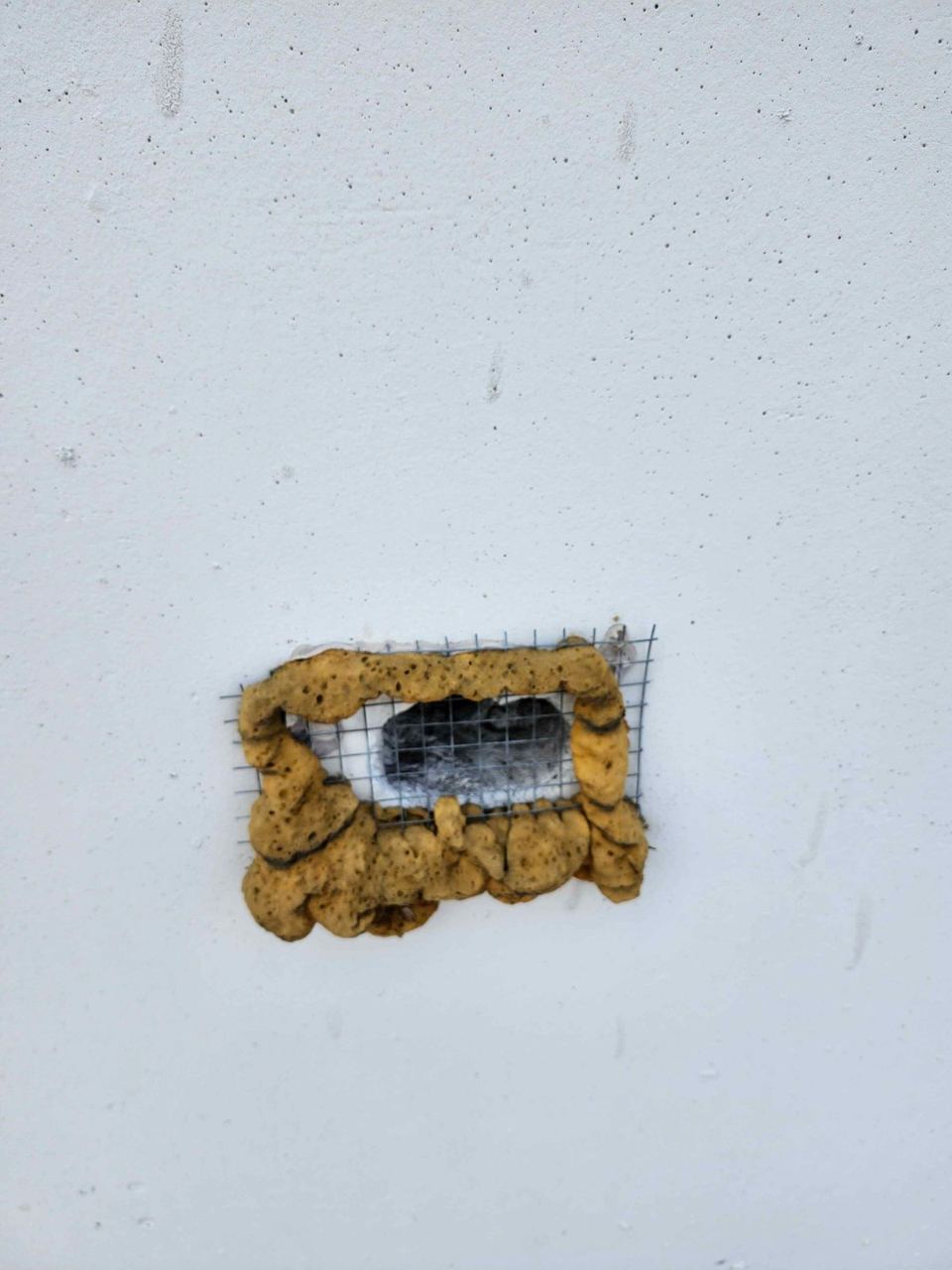 (opens full size in a new tab)
Mesh and foam patchLTK member · Mar 2026 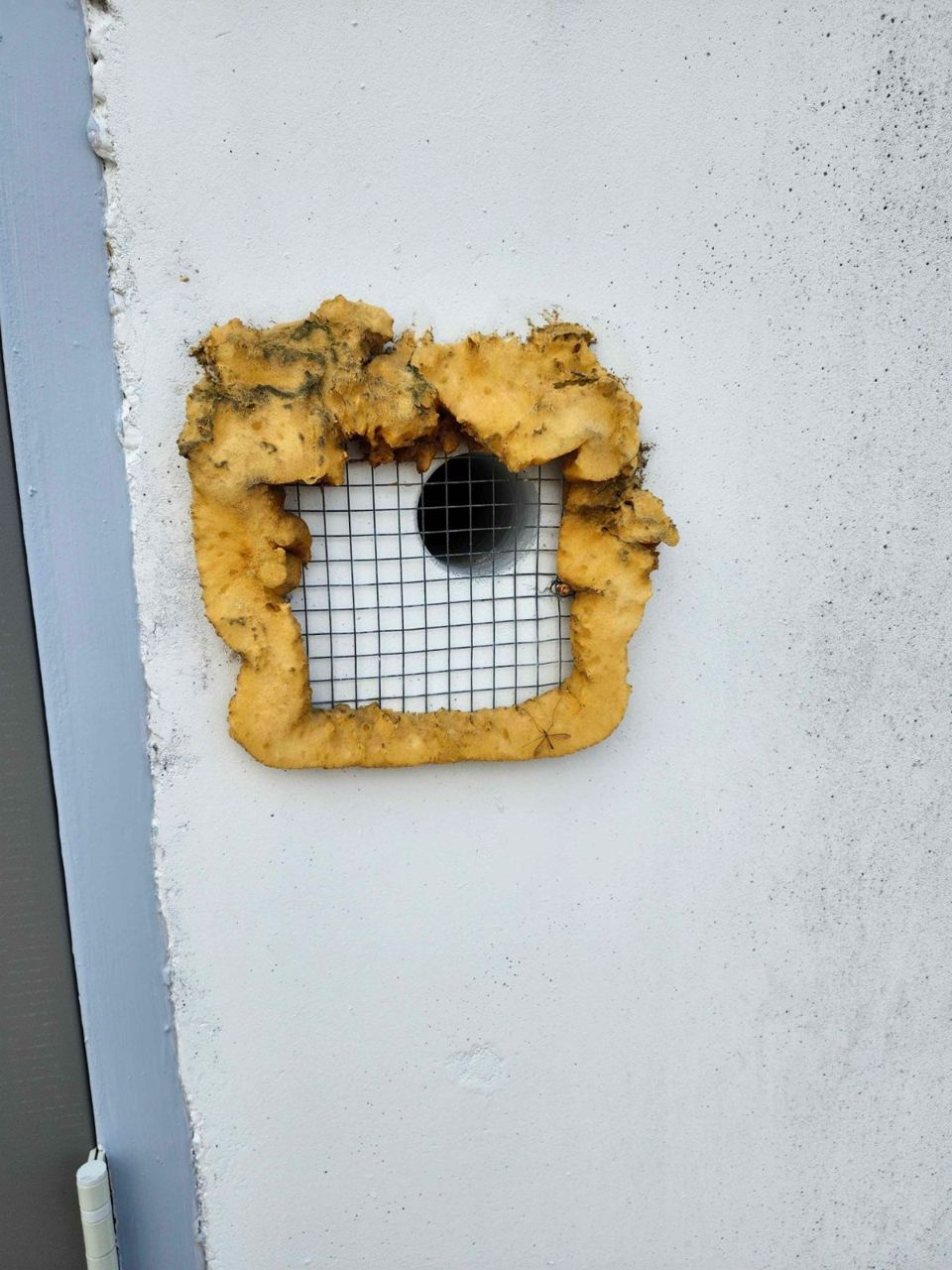 (opens full size in a new tab)
Mesh-and-foam pipe sealLTK member · Mar 2026 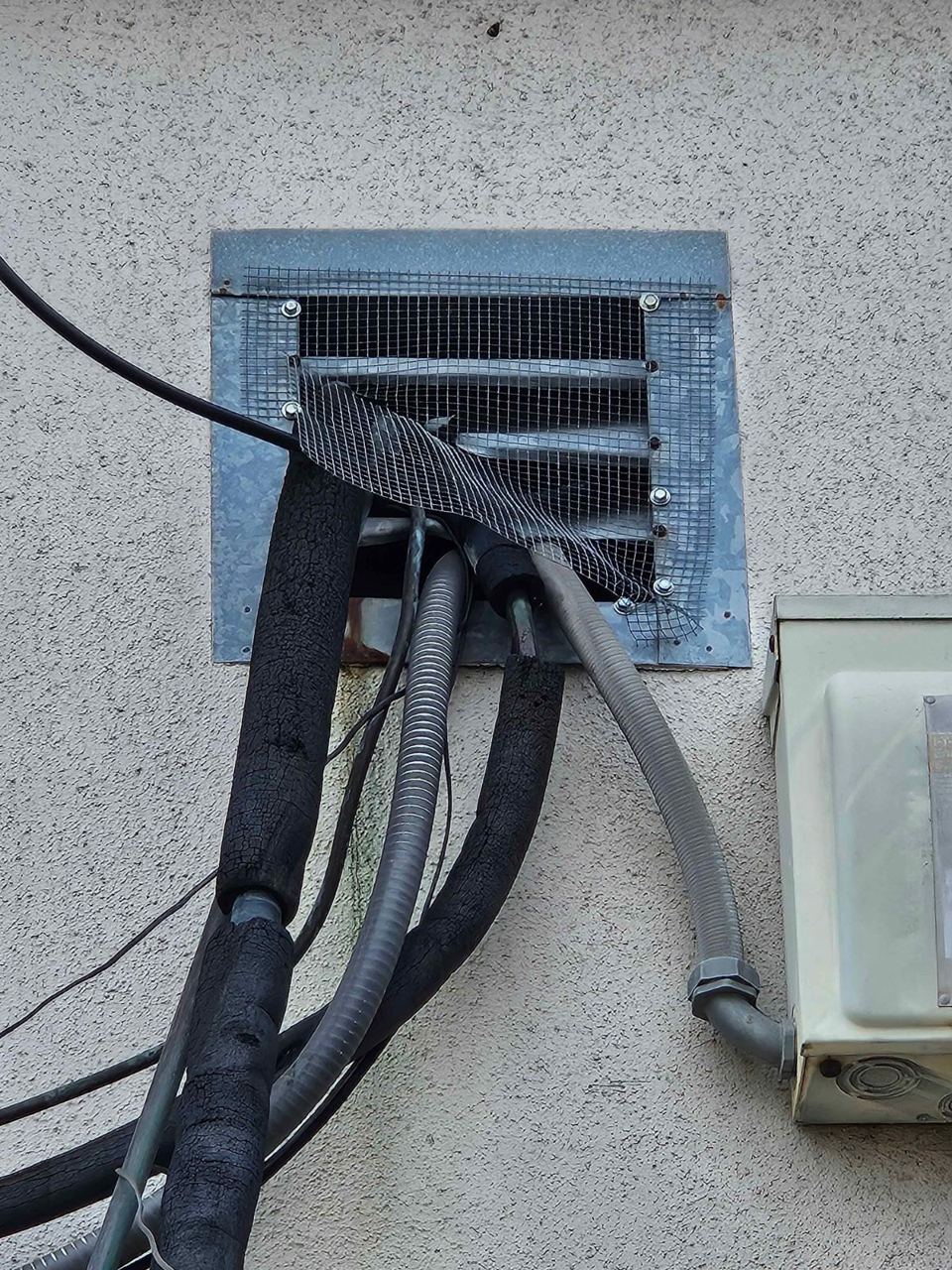 (opens full size in a new tab)
Screened vent at the line setLTK member · Mar 2026 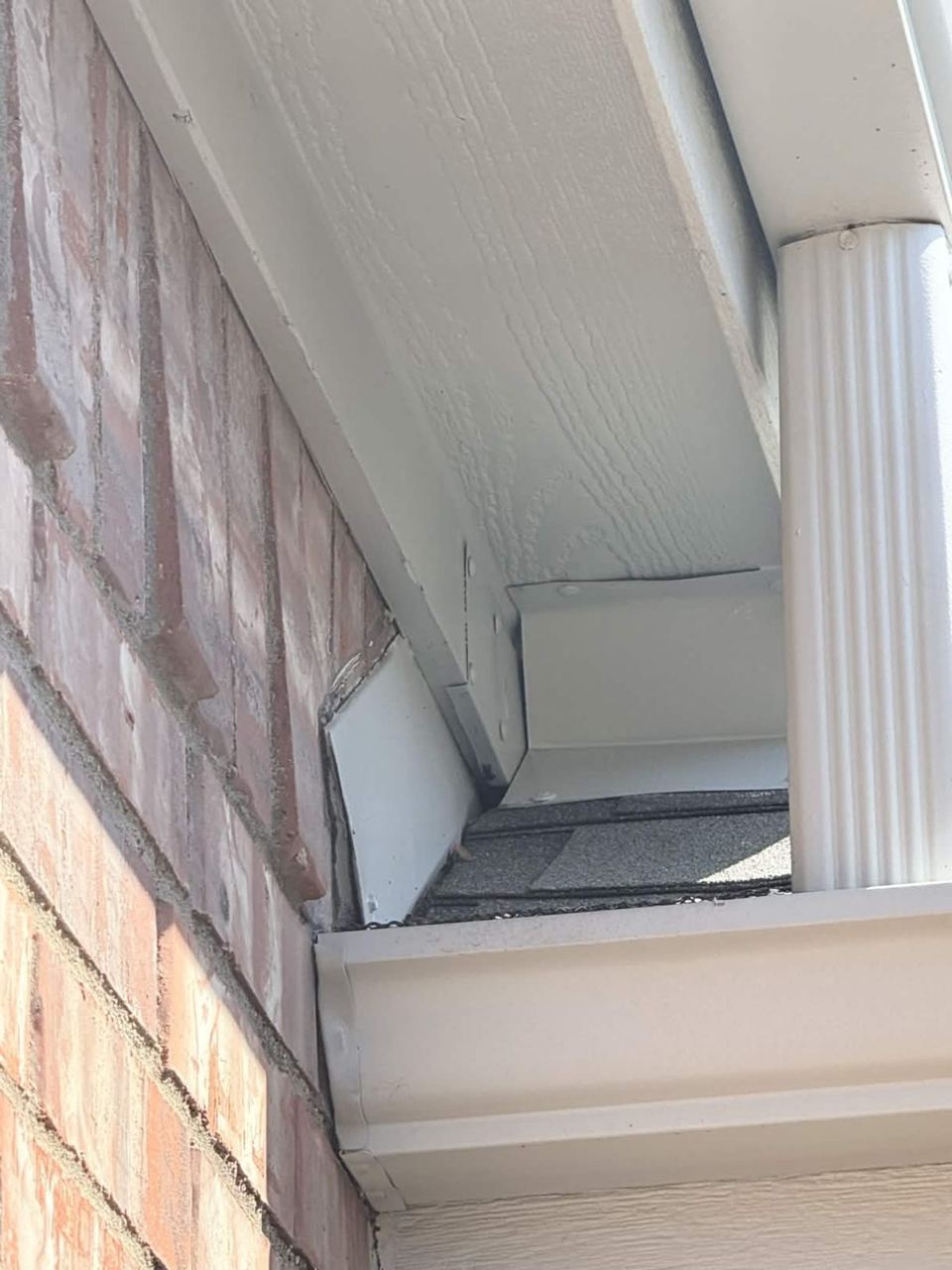 (opens full size in a new tab)
Closure at a roof returnLTK member · Mar 2026 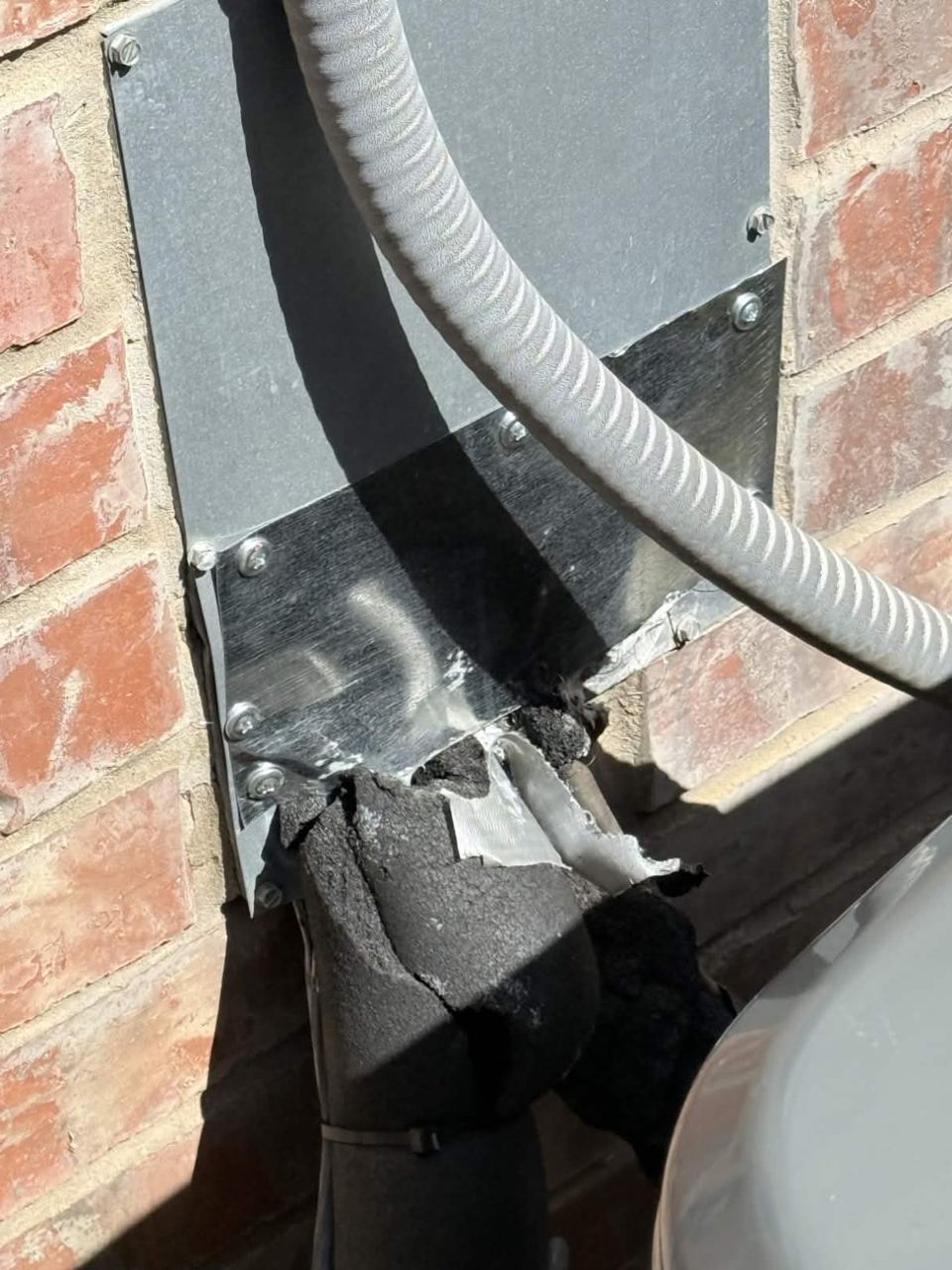 (opens full size in a new tab)
Metal plate around a line setLTK member · Mar 2026 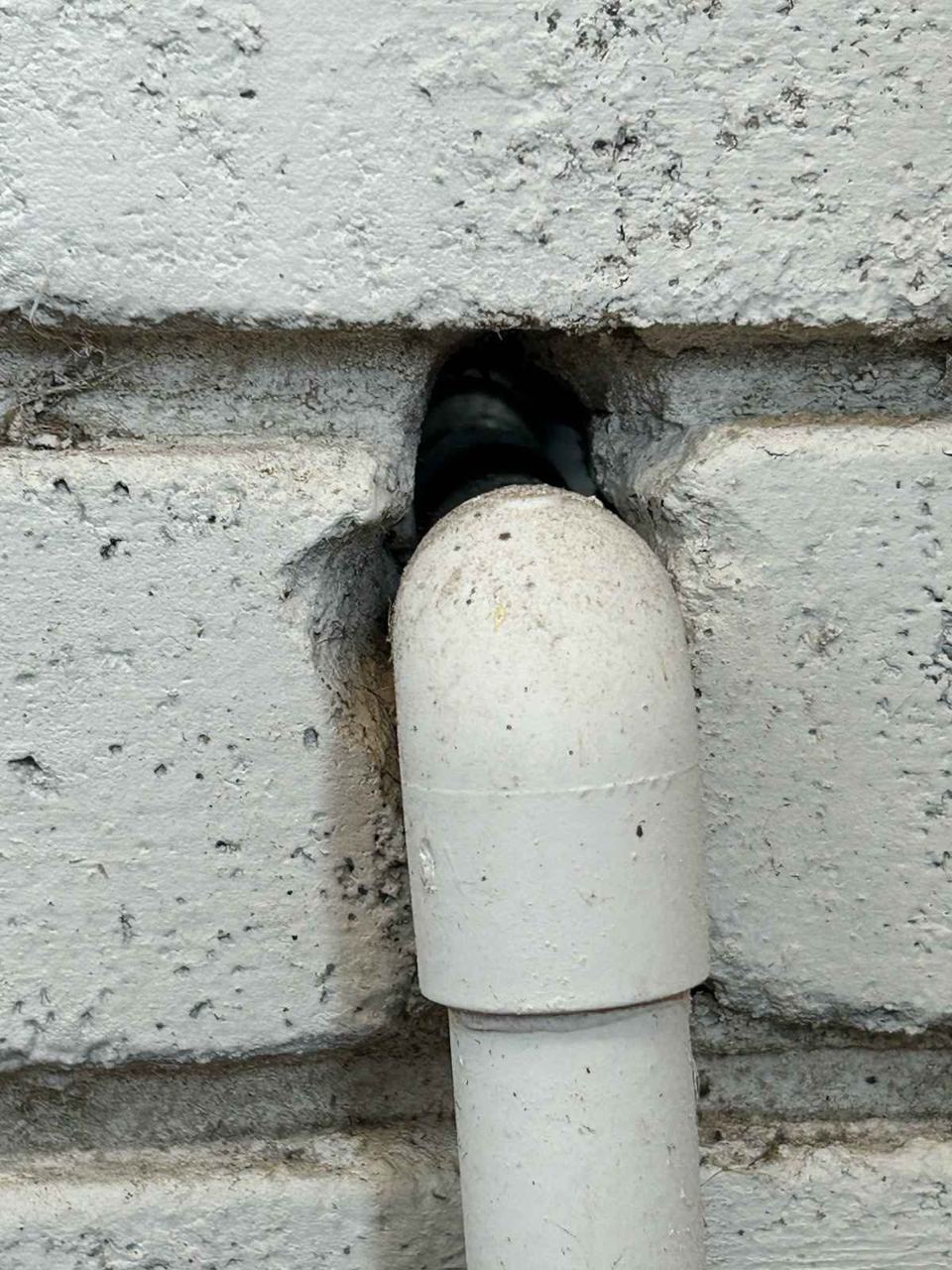 (opens full size in a new tab)
Unsealed pipe penetrationLTK member · Mar 2025 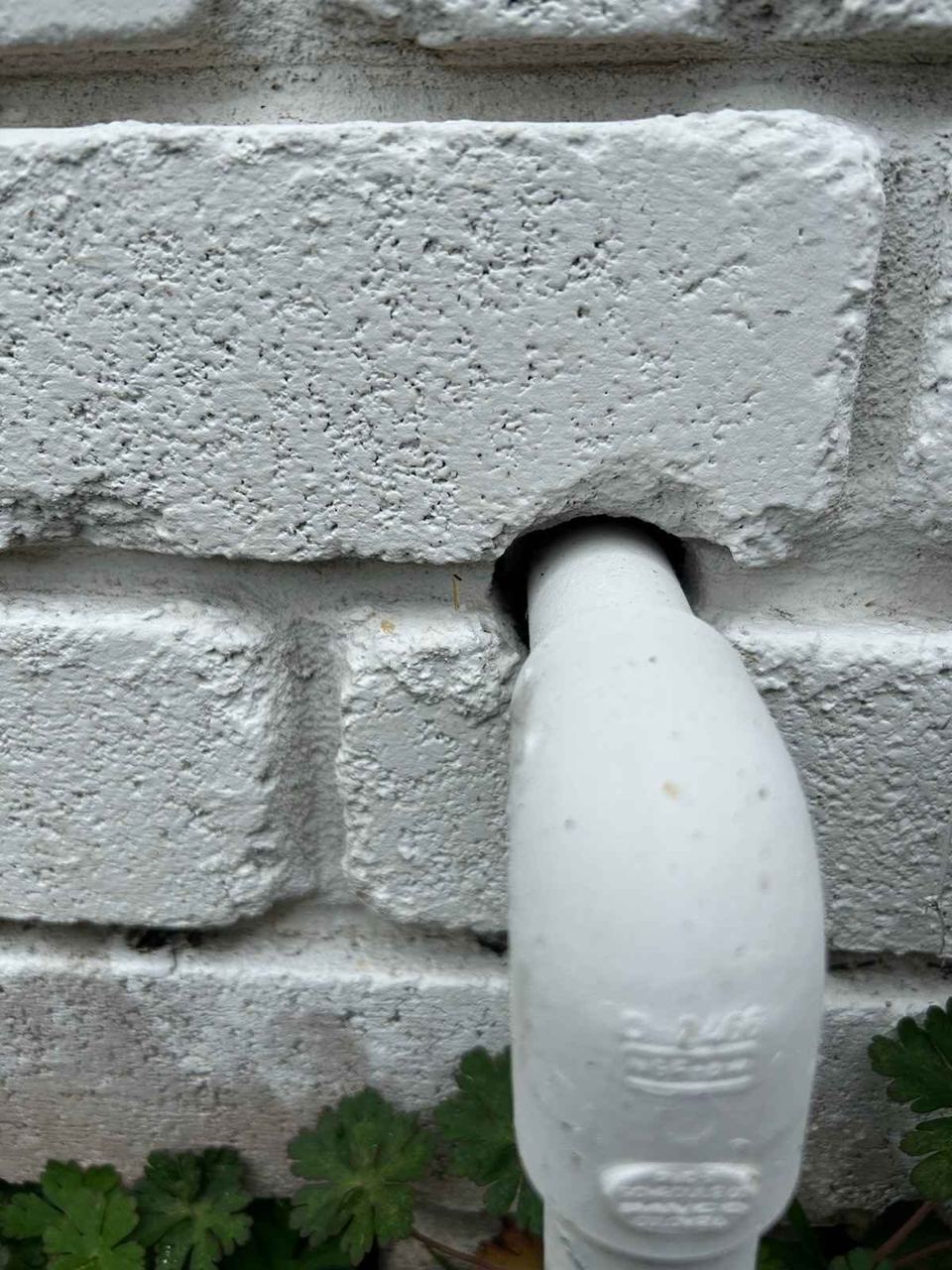 (opens full size in a new tab)
Gap around a pipe entryLTK member · Mar 2025 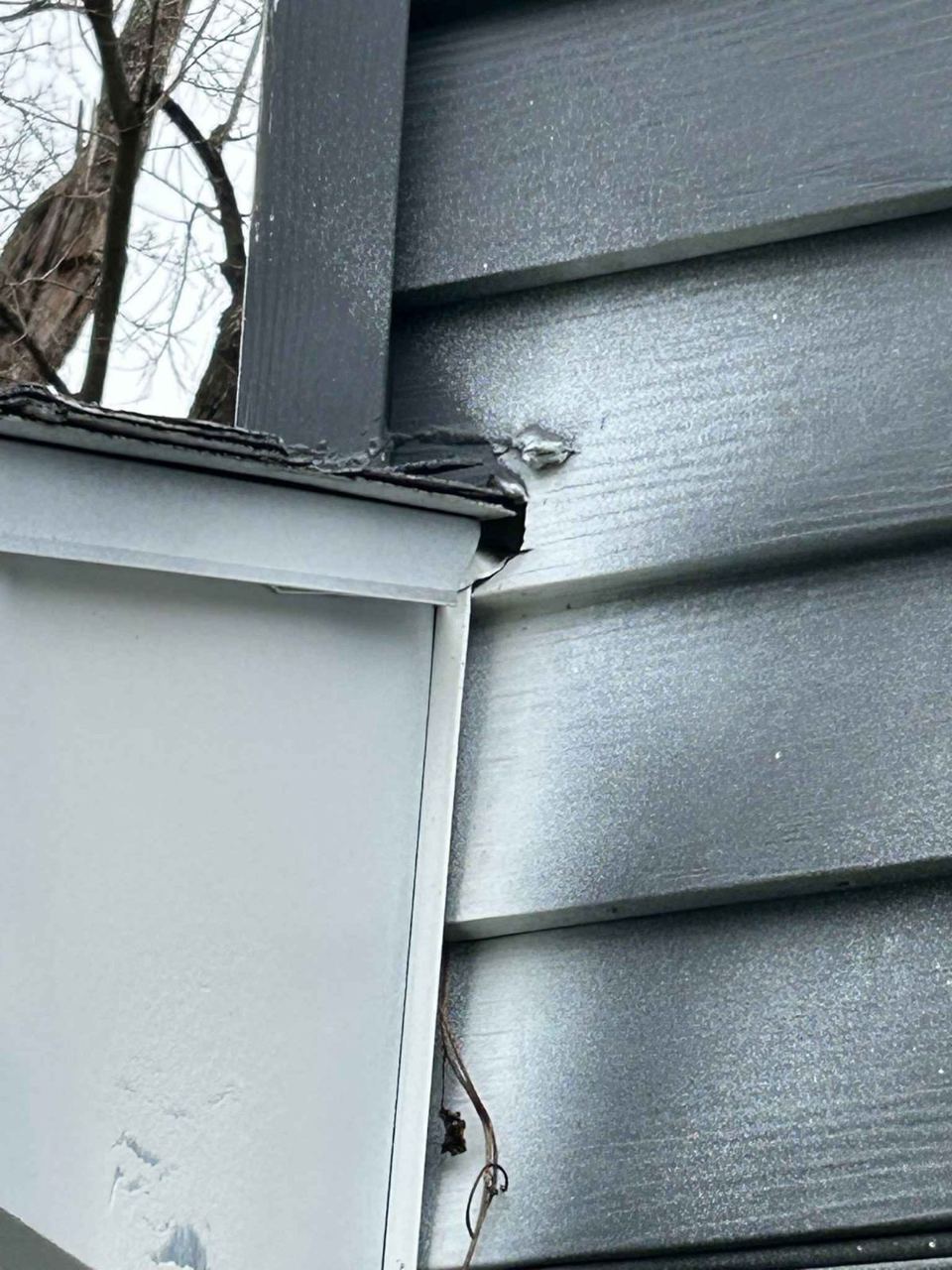 (opens full size in a new tab)
Open gap at a roof returnLTK member · Mar 2025
From the LTK podcast
Every episodePest Talk: Rodent Exclusion
54 min
Two guest speakers on rodent exclusion: sealing entry points, reading rodent behavior and keeping them out for good.
Where it fits in a career
People usually arrive from
Questions people ask
+Do I need a pest control licence to do exclusion?
It depends on the state and on whether you use any pesticide. Texas exempts nonpesticidal barriers against nuisance animals. California exempts non-pesticide exclusion of vertebrate pests, but not mice, rats or pigeons. Florida requires a limited certificate for nonchemical rodent exclusion done for hire. Check your state's page on this site and the state agency.
+Is exclusion pest control or construction?
Both. It is regulated as pest control in some states and can also fall under contractor licensing on larger jobs. In California, for example, CSLB requires a contractor licence when a job needs a permit, uses employees or totals $1,000 or more. Ask the board whether your type of work counts.
+How small a gap actually matters?
Very small. The CDC says a mouse can fit through a hole about a quarter inch wide, and UC IPM advises sealing every hole larger than a quarter inch to exclude both rats and mice.
+Can I use foam or caulk on its own?
Not for rats. UC IPM warns rats can chew through plastic, foam, wood and caulk. The CDC uses caulk or foam only to hold steel wool in small holes, and metal, cement or hardware cloth for larger ones.
+Why can't we exclude bats in summer?
Because flightless pups would be trapped inside and die. States set the dates: Wisconsin prohibits bat exclusions June 1 to August 15, and Georgia says to avoid them April 1 to July 31, with exceptions handled by licensed Nuisance Wildlife Control Operators.
+Is it dangerous to work around droppings?
It can be. The CDC says not to sweep or vacuum rodent droppings, to wet them with disinfectant first, and recommends a HEPA-filtered respirator for heavy infestations. Bird and bat droppings can carry the fungus that causes histoplasmosis. Ask what protective equipment and procedures your employer provides.
+Do I need construction experience?
No, but it helps a great deal. BLS lists a high school diploma, a driver's licence and a good driving record as typical requirements for pest control work. Knowing how buildings are framed and roofed shortens the learning curve.
+What does it pay?
BLS does not track exclusion separately. The closest figure is pest control workers: a May 2025 median of $45,250 a year, with the middle 80 percent between about $34,680 and $61,890. That excludes commission and overtime.
Still deciding? Ask the people doing exclusion and pest-proofing every day in the LTK Discord.
Ask on Discord(opens Discord in a new tab)Sources
- BLS Occupational Outlook Handbook: Pest Control Workers
- O*NET OnLine: Pest Control Workers (37-2021.00), details
- BLS OEWS May 2025 via BLS Public Data API (series OEUN000000000000037202113, OEUN000000056171037202113 and related)
- BLS Employee Benefits in the United States, March 2026: Table 1, Retirement benefits
- BLS Employee Benefits in the United States, March 2026: Table 2, Medical care benefits
- BLS Employee Benefits in the United States, March 2026: Table 6, Paid leave
- CDC: How to Seal Up to Prevent Rodents
- CDC: How to Clean Up After Rodents
- UC IPM Pest Notes: Rats
- Texas Occupations Code ch. 1951, sec. 1951.058 (activities not involving pesticides)
- California Business and Professions Code sec. 8555
- Florida Statutes sec. 482.157 (limited certification, commercial wildlife management)
- CSLB Industry Bulletin 24-07: minor work exemption rises to $1,000
- Wisconsin DNR: bat exclusion maternity season
- Georgia DNR Wildlife Resources: Bats in Your House?
- OSHA: Fall Protection
- OSHA: Heat Exposure
- CDC/NIOSH: Histoplasmosis
- NWCOA: Certifications and Certified Wildlife Control Professional
- ESA: Associate Certified Entomologist
Researched 2026-10-01. Licensing details change; confirm with your state agency before you rely on them.
