
Pest control, field by field
Pest control is a lot bigger than bugs.
What jobs are there in pest control?
Far more than one. General pest, termite and WDO, wildlife control, falconry-based bird abatement, bird exclusion, K9 detection, structural exclusion, insulation, fumigation, commercial and food safety, mosquito and vector, turf and ornamental, bed bug work, and running a company. They share a customer and very little else — different regulators, different skills, different pay.
Key fact16 distinct fields, governed by at least five different kinds of regulator.
Nobody hands you this map on day one.
Most people fall into this industry sideways and find out years later that bird work with a trained hawk is a real job. Pick a field below to see what it’s really like — then come ask the people doing it.
Ask the crew on Discord(opens Discord in a new tab)Structural pest control
The routes most people start on — inside homes, businesses and the buildings around them.
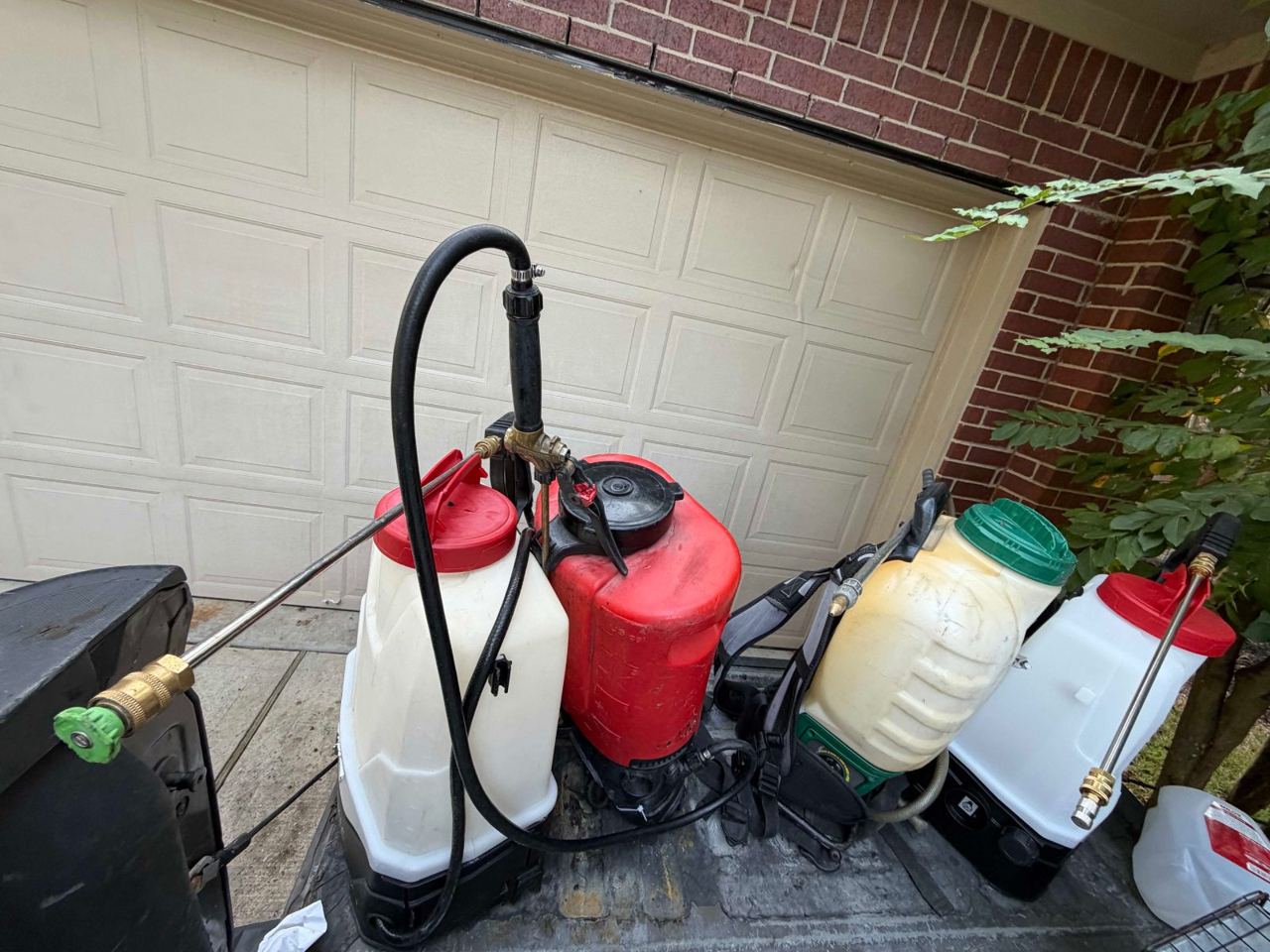 General pest controlRoutine prevention and treatment of household and commercial pests — ants, roaches, spiders, rodents, stored product pests.State pesticide licence
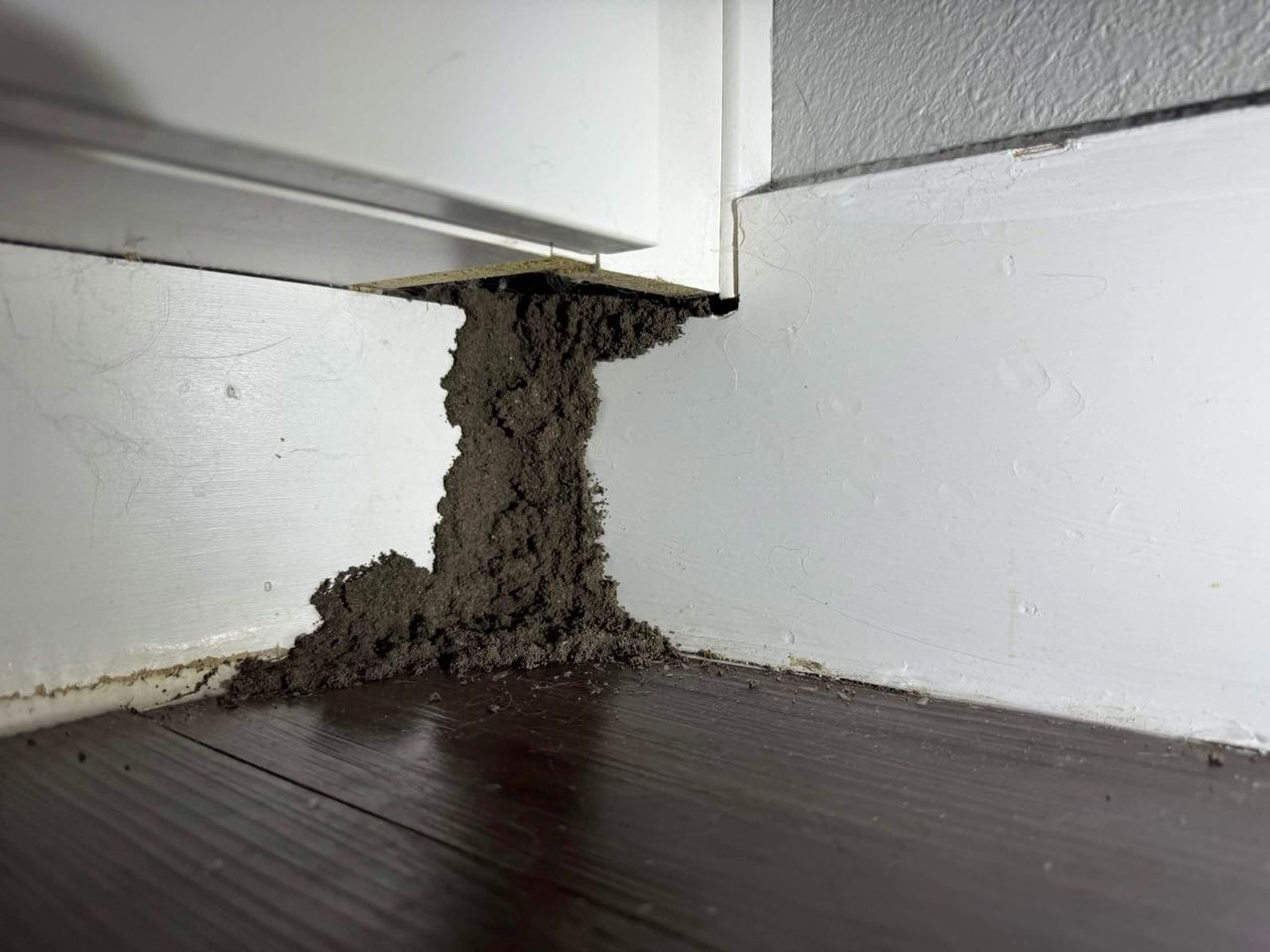 Termite and wood-destroying organismsInspection, treatment and reporting on termites, wood-boring beetles and decay fungi — including the inspection reports that real estate transactions depend on.State pesticide licence
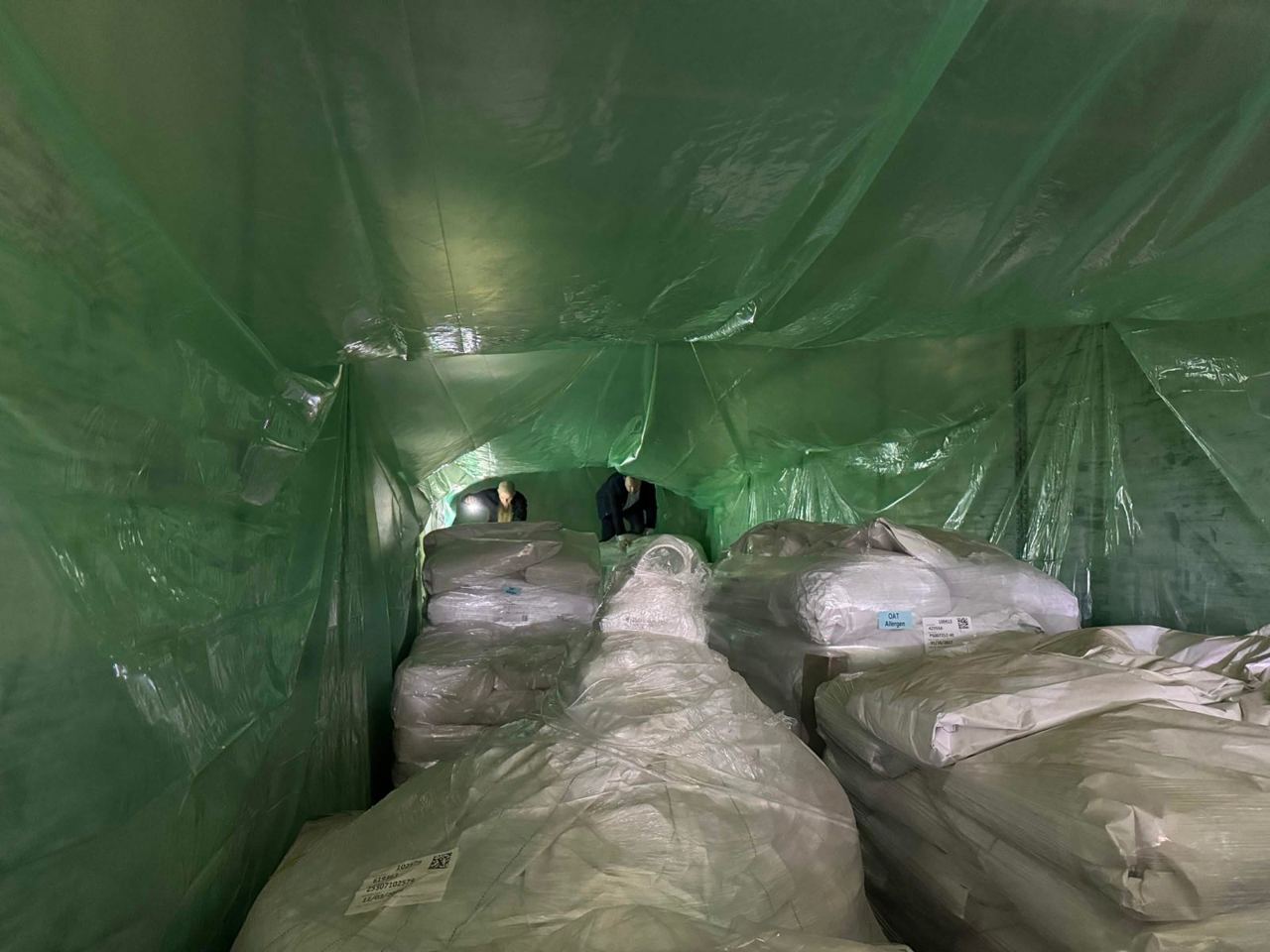 FumigationWhole-structure and commodity fumigation — the highest-consequence work in the industry.State pesticide licence
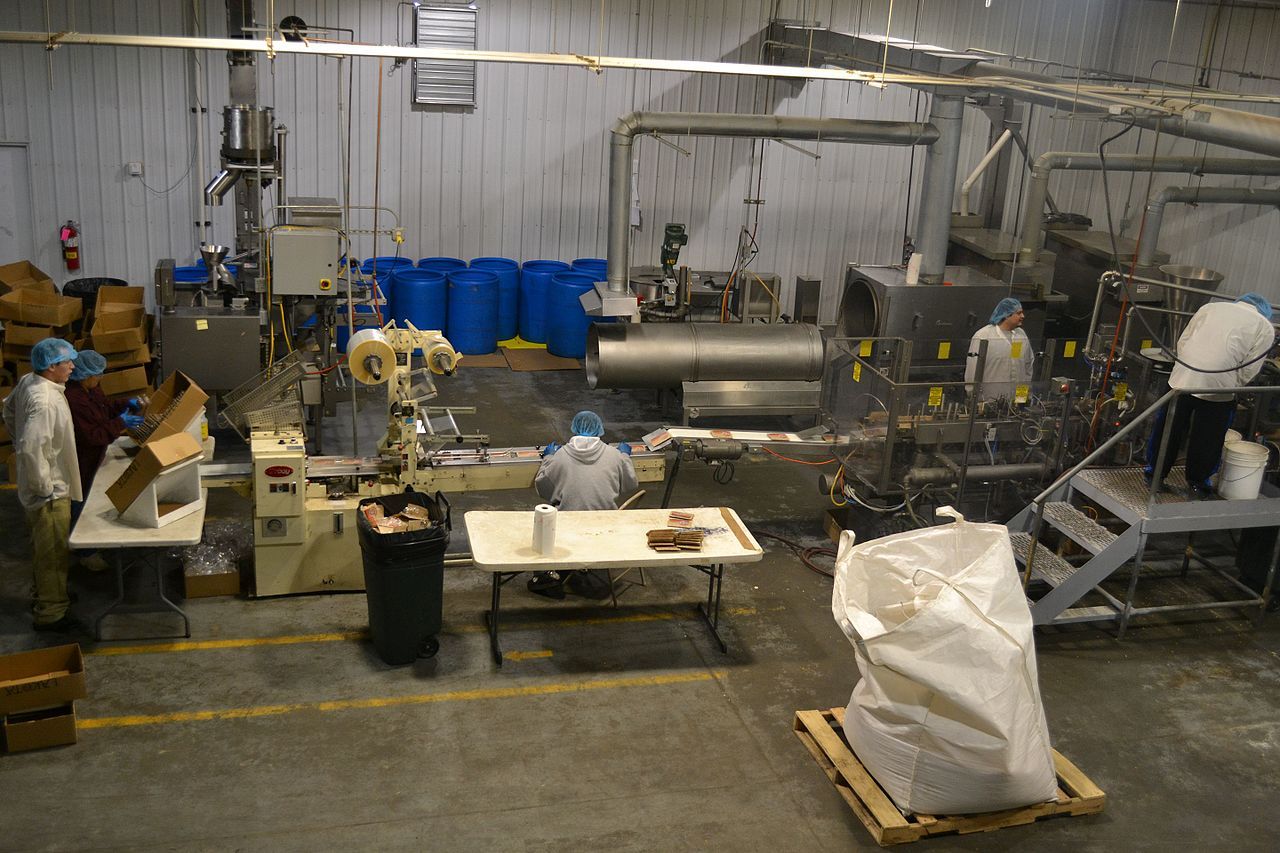 Commercial and food safetyPest management inside audited environments — food processing, warehousing, pharmaceutical, hospitality — against AIB, SQF, BRC and similar schemes.State pesticide licence
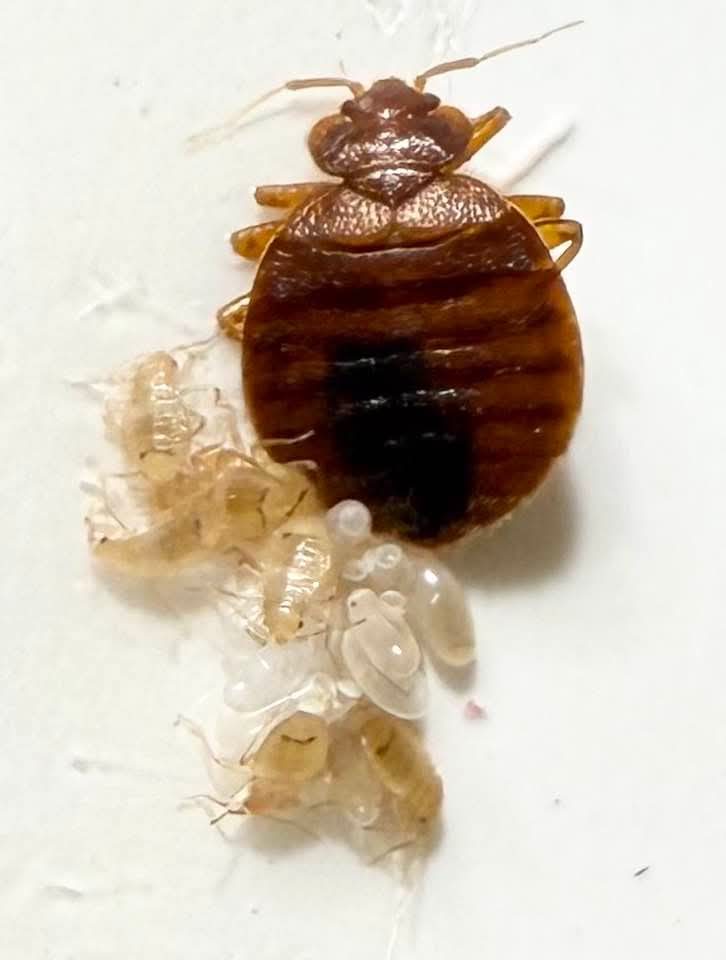 Bed bug workInspection, heat remediation and chemical treatment for bed bugs — in housing, hospitality, healthcare and transport.State pesticide licence
Wildlife and birds
Vertebrates, not insects. Different animals, different rules, and usually a different regulator.
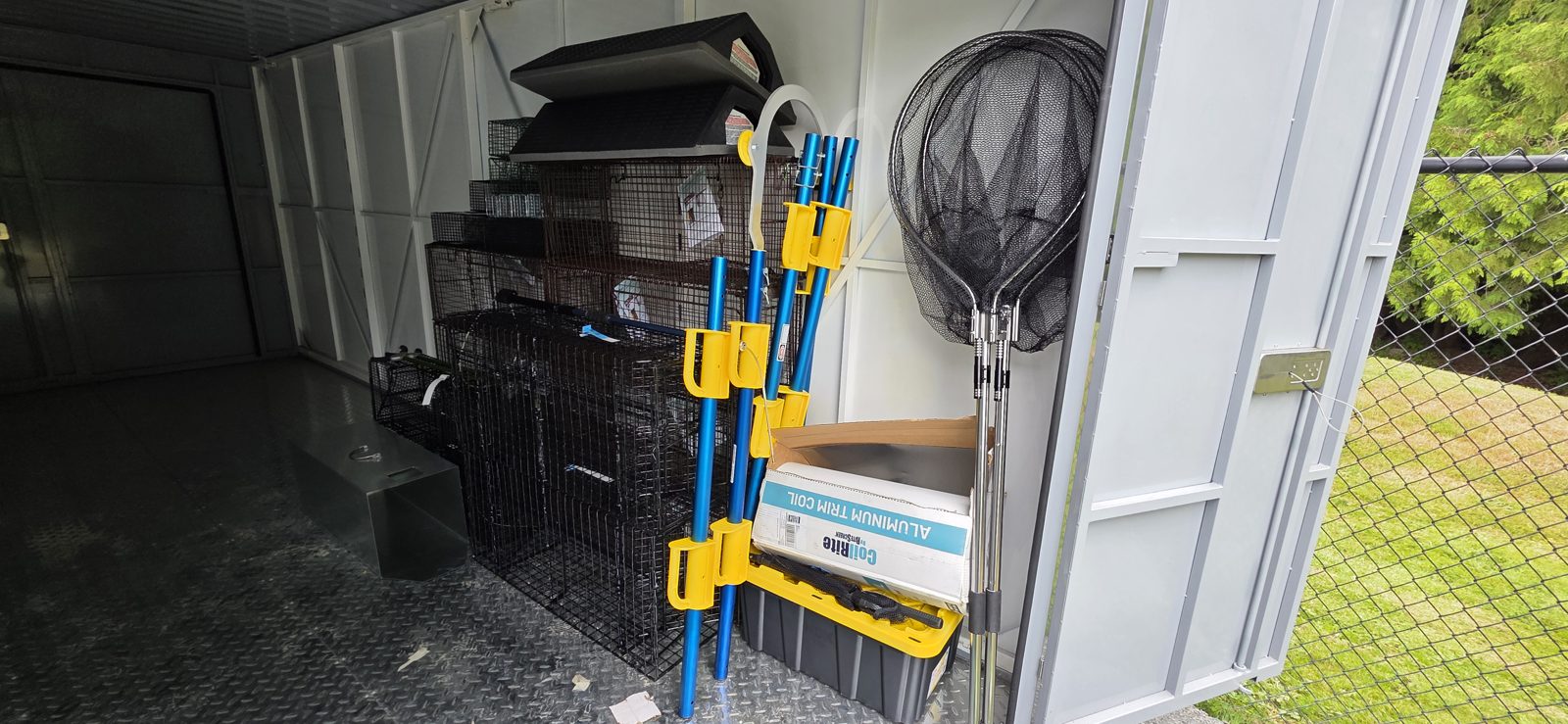 Wildlife controlRemoval, exclusion and damage management for raccoons, squirrels, bats, snakes, birds and other vertebrates.State wildlife permit
 Falconry-based bird abatementUsing trained raptors to move nuisance bird populations off landfills, vineyards, resorts, airports and distribution centres.Federal + state wildlife
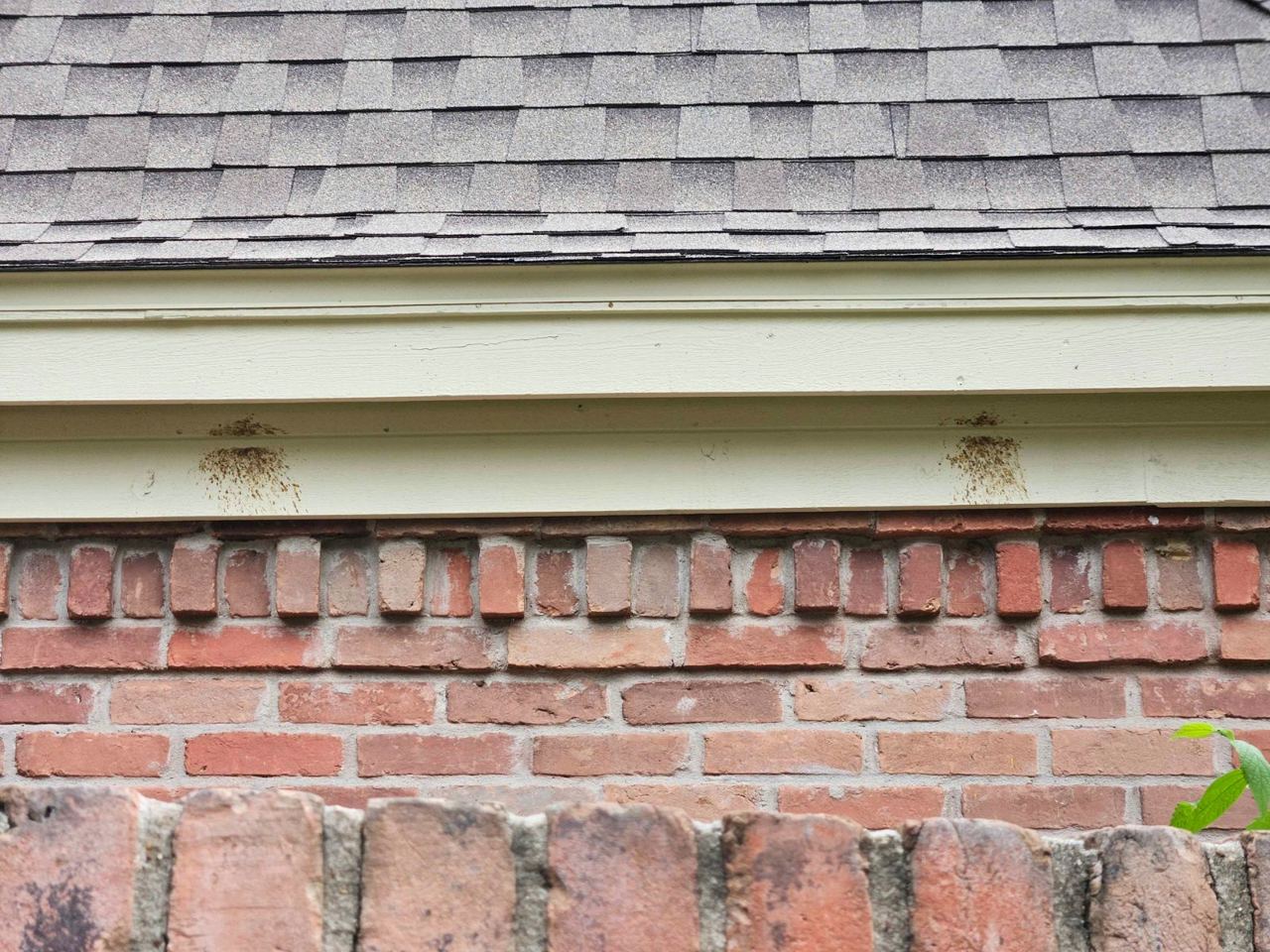 Bird management and exclusionNetting, spikes, wire, shock track, deterrents and clean-up for pest birds on commercial and industrial structures.Varies — often none
Exclusion and building work
Keeping pests out for good, and fixing the damage they left behind.
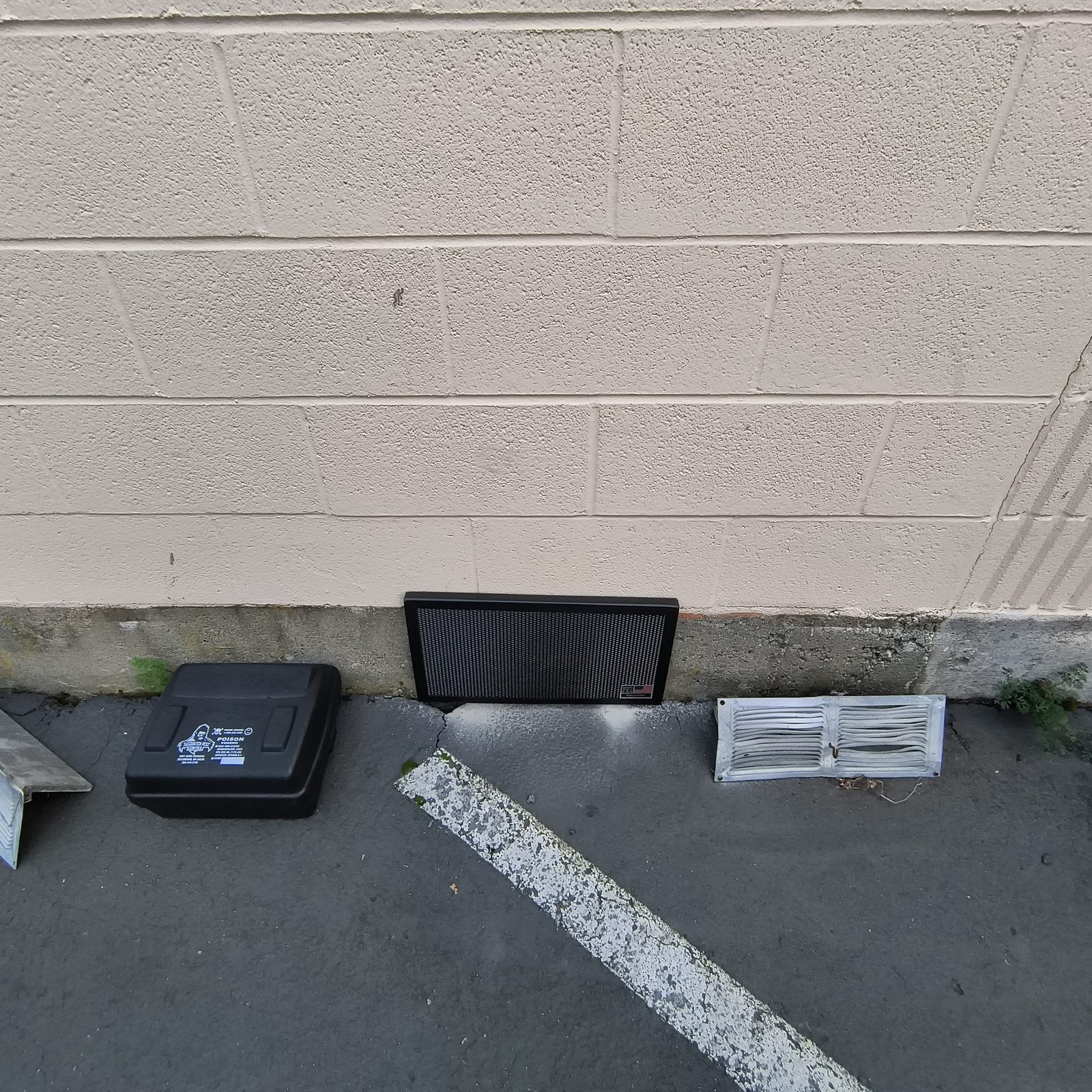 Exclusion and pest-proofingSealing structures so pests cannot get in — the permanent fix that chemical treatment alone never achieves.Contractor / trade licence
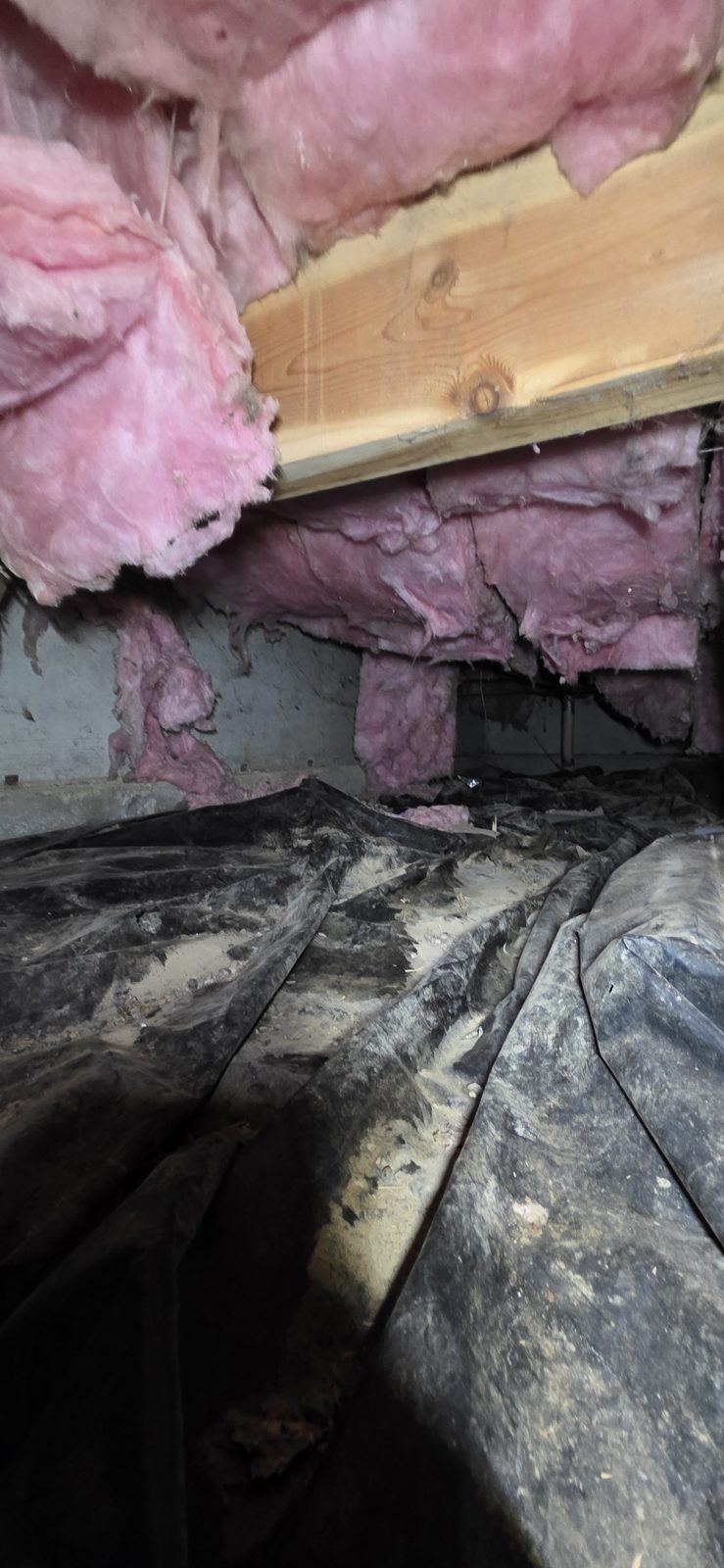 Insulation and attic restorationRemoving contaminated insulation, decontaminating and re-insulating after infestation — usually sold alongside exclusion.Contractor / trade licence
Outdoor and public health
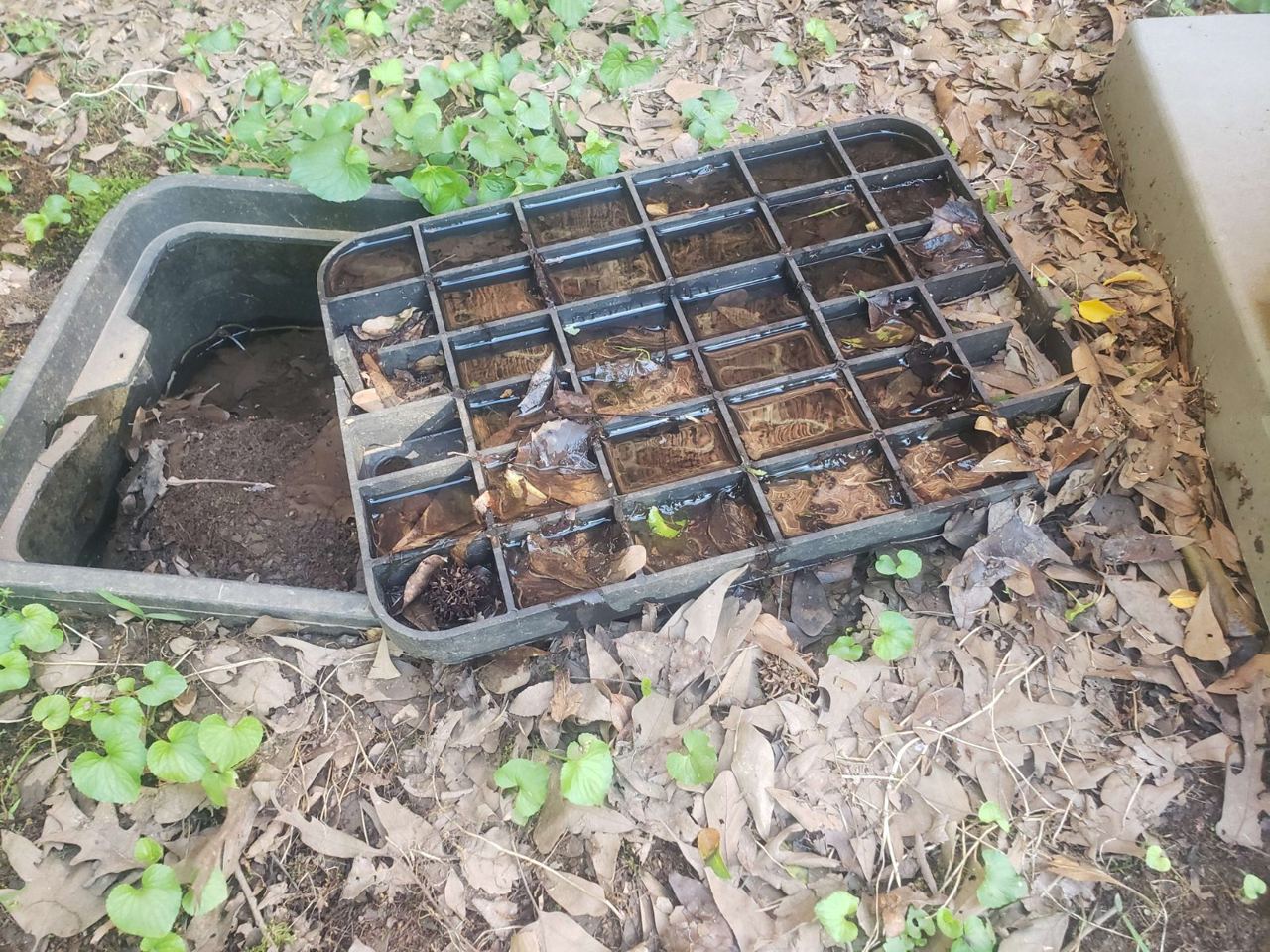
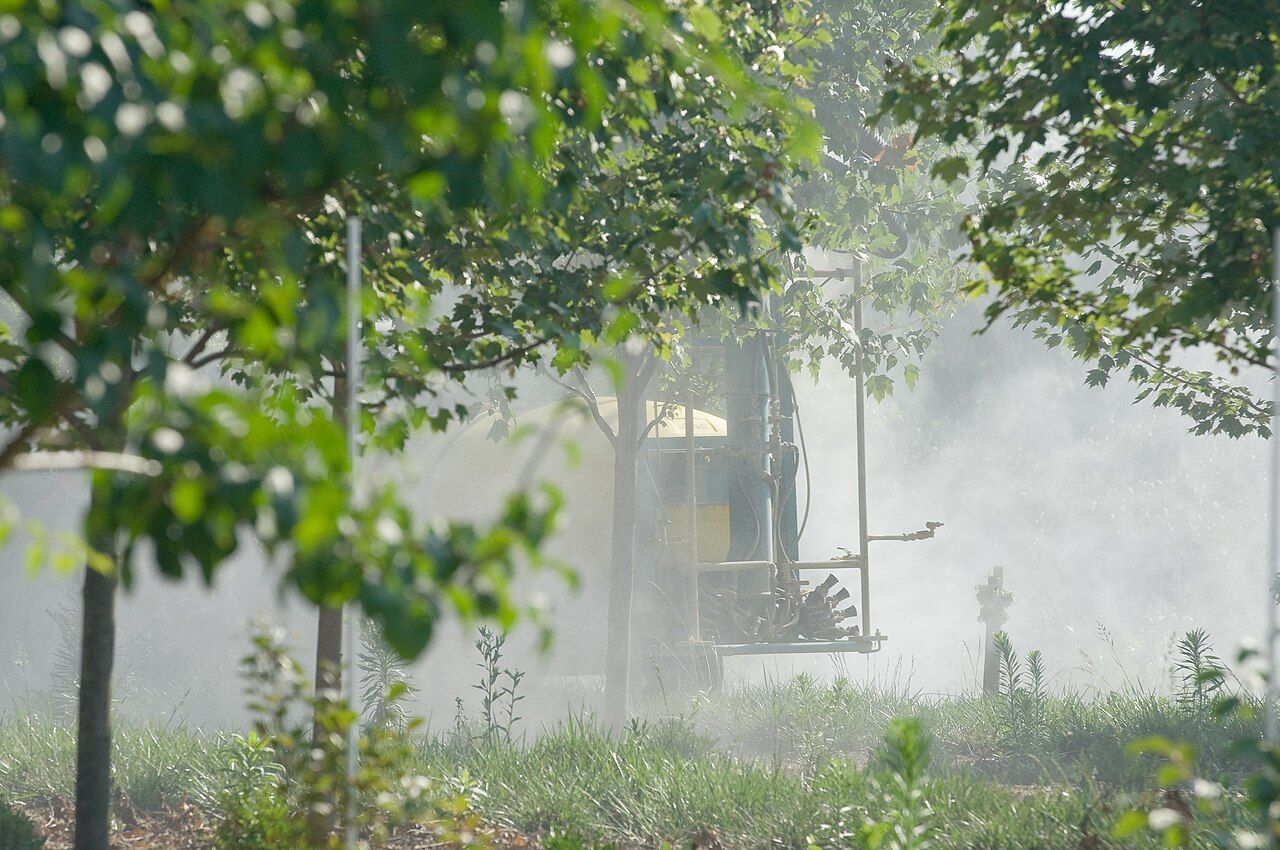
Lawns, landscapes and the mosquito programmes that protect whole neighbourhoods.
Detection
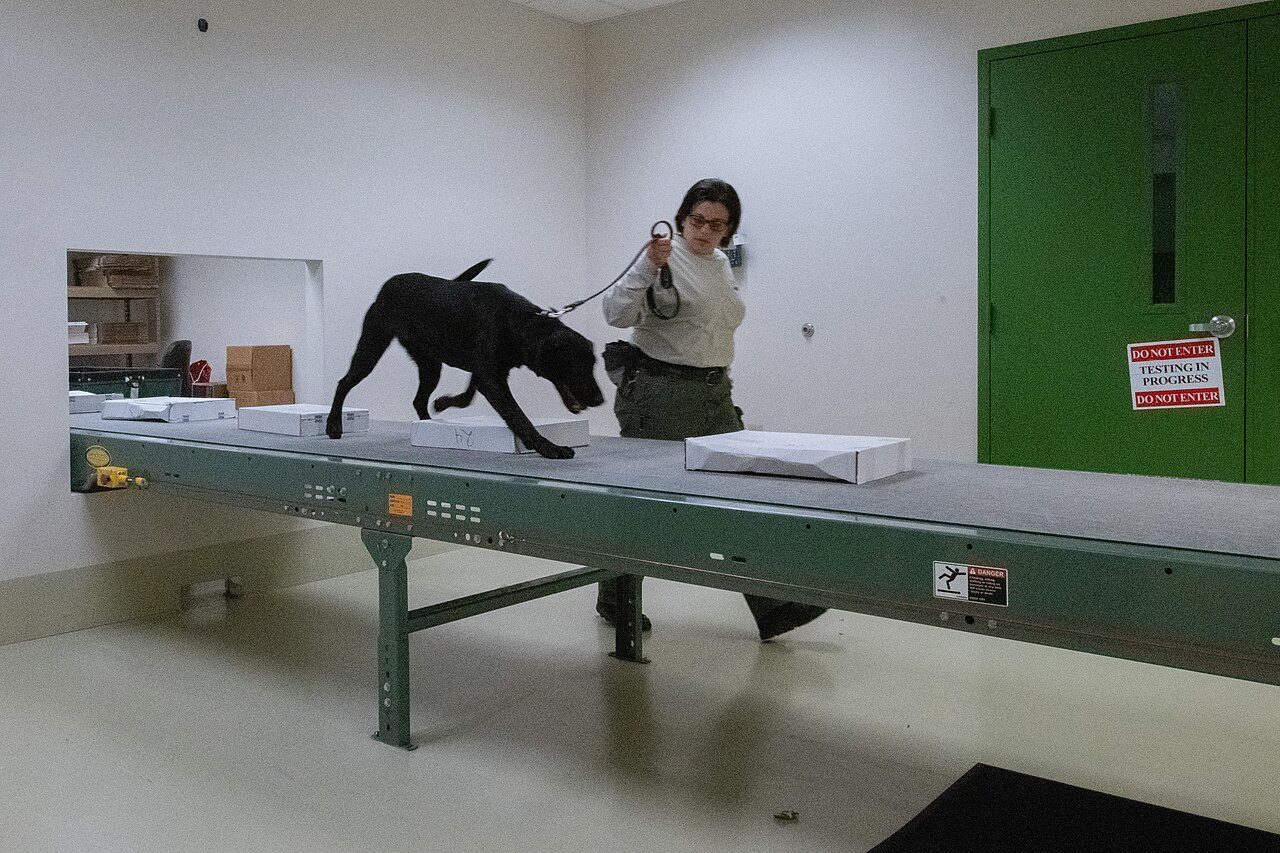
Finding what the eye misses — with a trained nose on the other end of the leash.
Running the business
Where a lot of techs end up: owning the trucks instead of driving one.
- Management: branch, technical, safety and operationsThe jobs between the truck and the owner — branch manager, technical director, safety manager and operations manager — keeping routes, people and compliance running.State pesticide licence
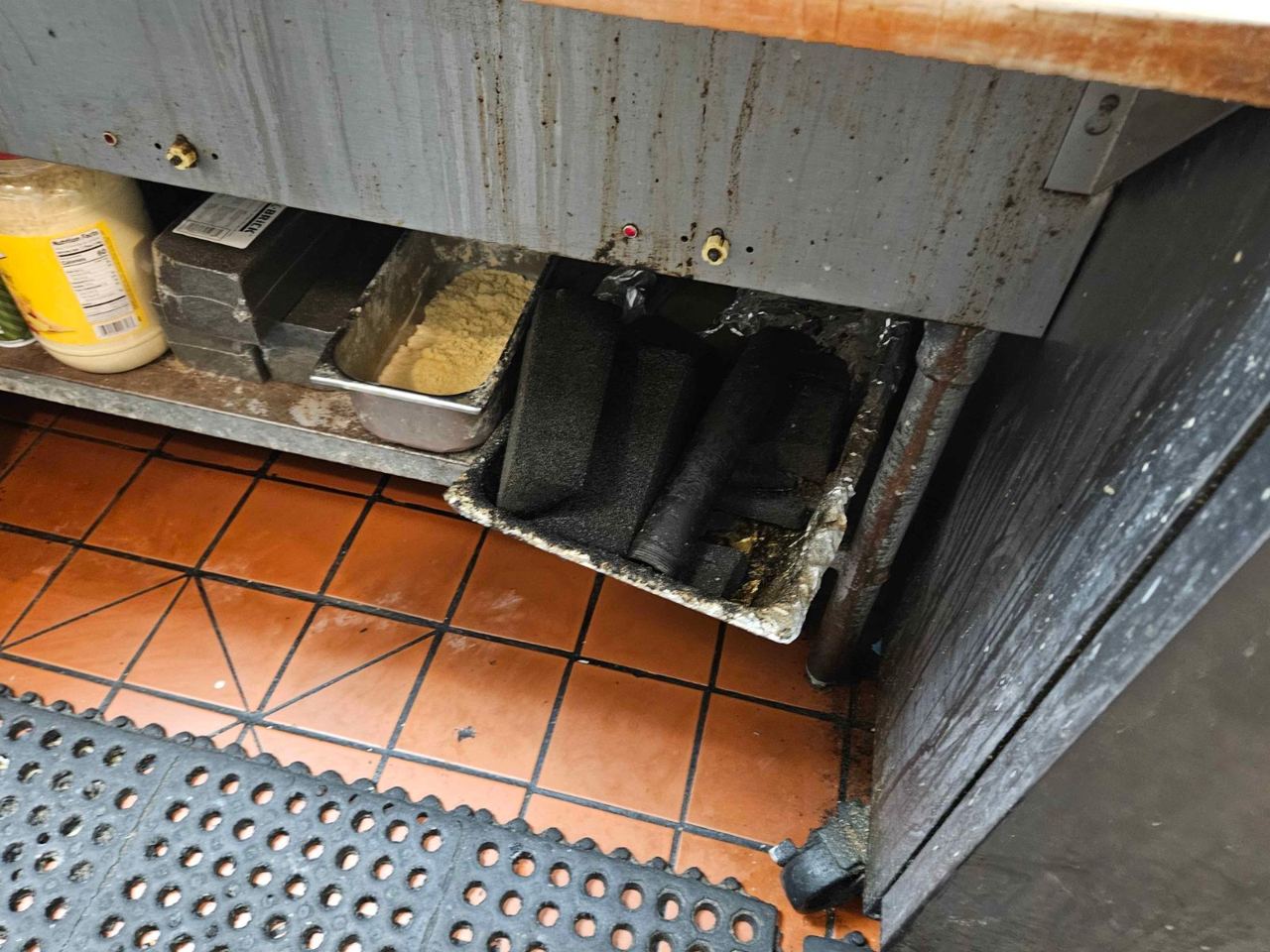 Auditing and quality assuranceChecking pest control programmes against food-safety and customer standards — as a third-party auditor, a client’s QA lead, or a pest company’s own quality auditor.Third-party certification
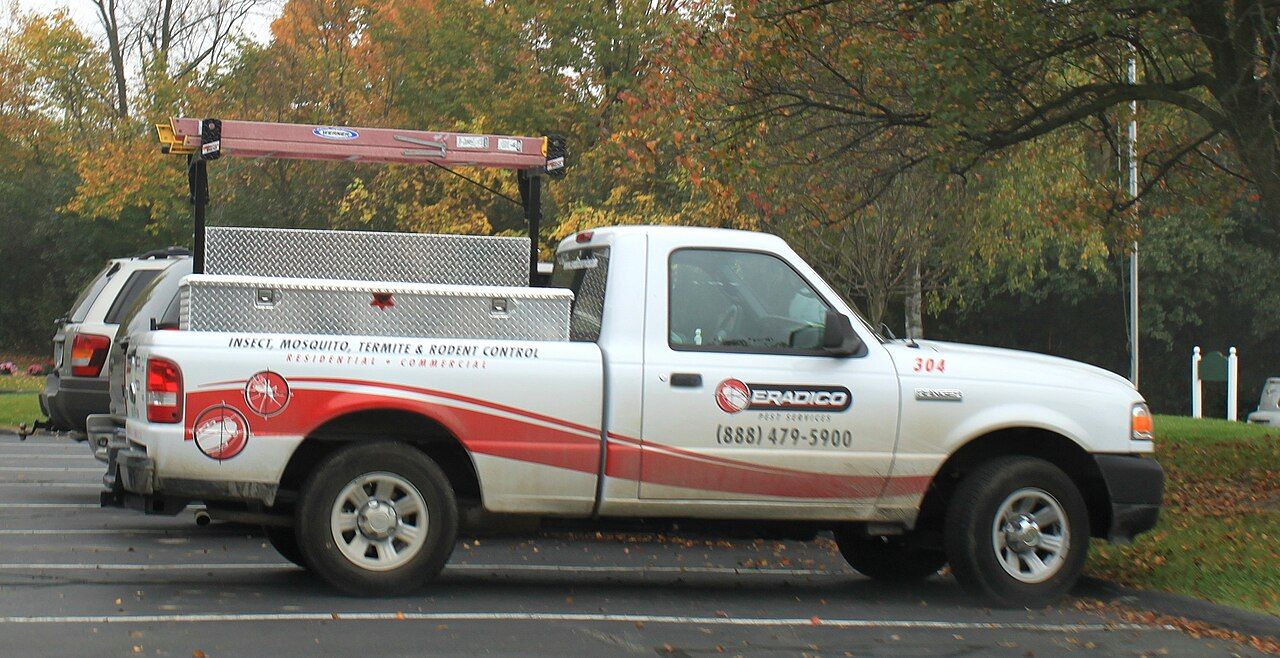 Owning a pest control companyRunning your own company — licensing, insurance, pricing, hiring, cash flow, and eventually deciding whether to sell to a roll-up.State pesticide licence
National figures for pest control workers — the government job category that covers most of the trade. About 108,700 people held these jobs in 2025.
- $45,250Median annual pay · $21.75/hr source (BLS, opens in a new tab)
- $34,680–$61,890Lowest 10% to highest 10% of earners source (BLS, opens in a new tab)
- +6%Projected job growth 2025–2035 (all jobs: 3%) source (BLS, opens in a new tab)
- 13,700Openings projected each year, on average source (BLS, opens in a new tab)
$44,930 median inside exterminating and pest control services
$50,980 median across all US occupations
What these numbers leave out
- Self-employed workers — so owner-operators are absent entirely
- Overtime premium pay, shift differentials and non-production bonuses (commissions and production bonuses are included)
- Seasonal variation (annual figures assume 2,080 hours)
Real route pay depends on commission, truck and tool allowances and overtime. Compare notes in the Discord.
Work in a field we haven’t covered yet? Tell us about it in the Discord and help us write it up.
Photo credits
- Photo: Kenn Mann, U.S. Air Force · Public domain (source, opens in a new tab)
- Photo: U.S. Department of Agriculture · Public domain (source, opens in a new tab)
- Photo: U.S. Department of Agriculture · Public domain (source, opens in a new tab)
- Photo: Missvain · CC BY 4.0 (source, opens in a new tab)
- Photo: U.S. Department of Agriculture · CC BY 2.0 (source, opens in a new tab)
- Photo: U.S. Environmental Protection Agency · Public domain (source, opens in a new tab)
- Photo: Dwight Burdette · CC BY 3.0 (source, opens in a new tab)