
Fields · Structural pest control
General pest control
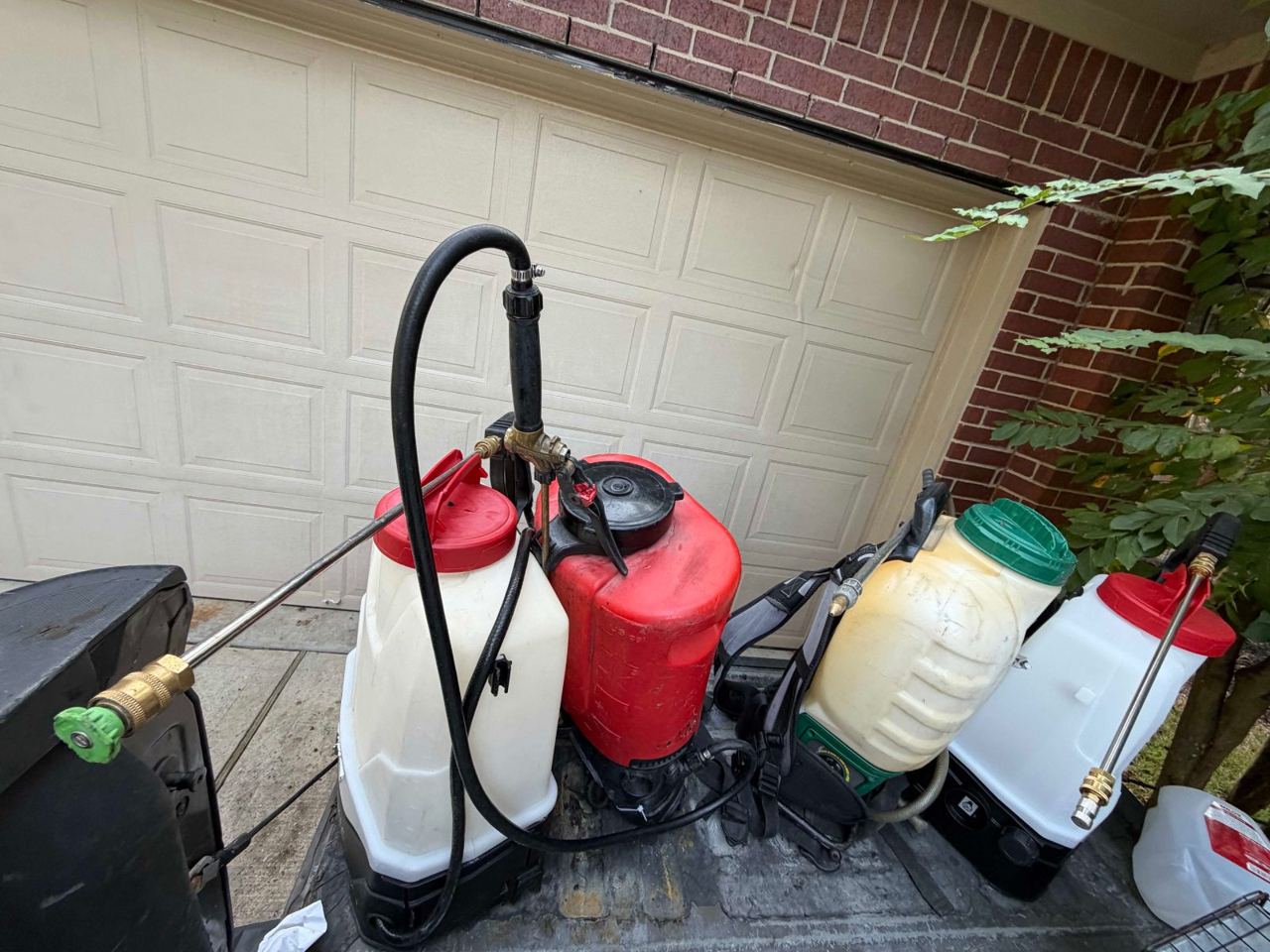
What is general pest control work?
Routine prevention and treatment of household and commercial pests — ants, roaches, spiders, rodents, stored product pests.
Key factState pesticide licence, usually an apprentice-to-technician-to-applicator ladder. The most common entry point in the industry.
Thinking about general pest control? Ask the people doing it every day in the LTK Discord.
Ask on Discord(opens Discord in a new tab)What the job is really like
General pest control is the front door of the pest control industry. A technician visits homes and businesses, often on a repeating schedule, to inspect for, prevent and treat common pests such as ants, cockroaches, spiders, rodents and stored product pests. The Bureau of Labor Statistics counts this work under pest control workers, an occupation that held about 108,700 jobs in 2025. Most of those jobs, 88 percent, were in exterminating and pest control services companies. Most people start as technicians with a high school diploma or equivalent and learn on the job, and most states require a licence, which usually means training and an exam. The work suits people who like being on the road, working without someone looking over their shoulder, solving the puzzle of why a problem keeps coming back, and talking with customers all day. It suits people less well if they want to stay indoors, dislike driving, or do not want to kneel, crawl and handle pesticides under strict legal rules. It is also the starting point for almost every other field on this site.
The day usually starts with the truck. A technician checks the day's stops in the company's scheduling software, makes sure the chemicals, baits, traps and equipment needed for those stops are on board, and drives out. O*NET's survey of people in this occupation found that 95 percent operate a vehicle or equipment every day, and 81 percent work outdoors in all weather every day. BLS notes that pest control workers must travel to a client's home or business and work both indoors and outdoors.
At each stop the work begins with people and an inspection, not with a sprayer. O*NET reports that 81 percent of workers have face-to-face discussions every day and 72 percent are on the phone every day. The technician asks what the customer has seen, then inspects to find the source and extent of the problem. Michigan State University's training manual for general pest control calls the inspection the most critical phase of any pest management operation, and calls the flashlight probably the most important piece of inspection equipment in the industry. The technician is looking for the pest itself, signs it leaves behind, and the conditions that let it thrive: moisture, food, clutter, gaps and cracks.
Treatment follows the inspection. Under integrated pest management, which EPA describes as setting action thresholds, monitoring and identifying pests accurately, preventing problems, and then choosing controls for both effectiveness and risk, the technician may place monitors and baits, apply a targeted crack-and-crevice or perimeter treatment, set traps or bait stations for rodents, and recommend repairs or sanitation changes to the customer. Every product is used exactly as its label directs. EPA labels carry the statement that it is a violation of federal law to use the product in a manner inconsistent with its labeling.
Before leaving, the technician records the work. O*NET lists recording work activities and cleaning the work site among the core tasks of the job. The MSU manual says inspection reports should list the pests present, the extent of the infestation, the tools and chemicals used and the structural problems contributing to the pest issue. BLS lists bookkeeping skills as an important quality, because workers keep track of hours, chemical use and payments.
Across a week, the pattern repeats with variation. BLS says working evenings and weekends is common and some workers put in more than 40 hours. New technicians spend part of their first months in required training and under supervision. In Texas, for example, a licensed technician must meet in person with the certified applicator responsible for supervising them one day per week. Licensed workers also attend continuing education, which BLS notes is common because pest control methods change.
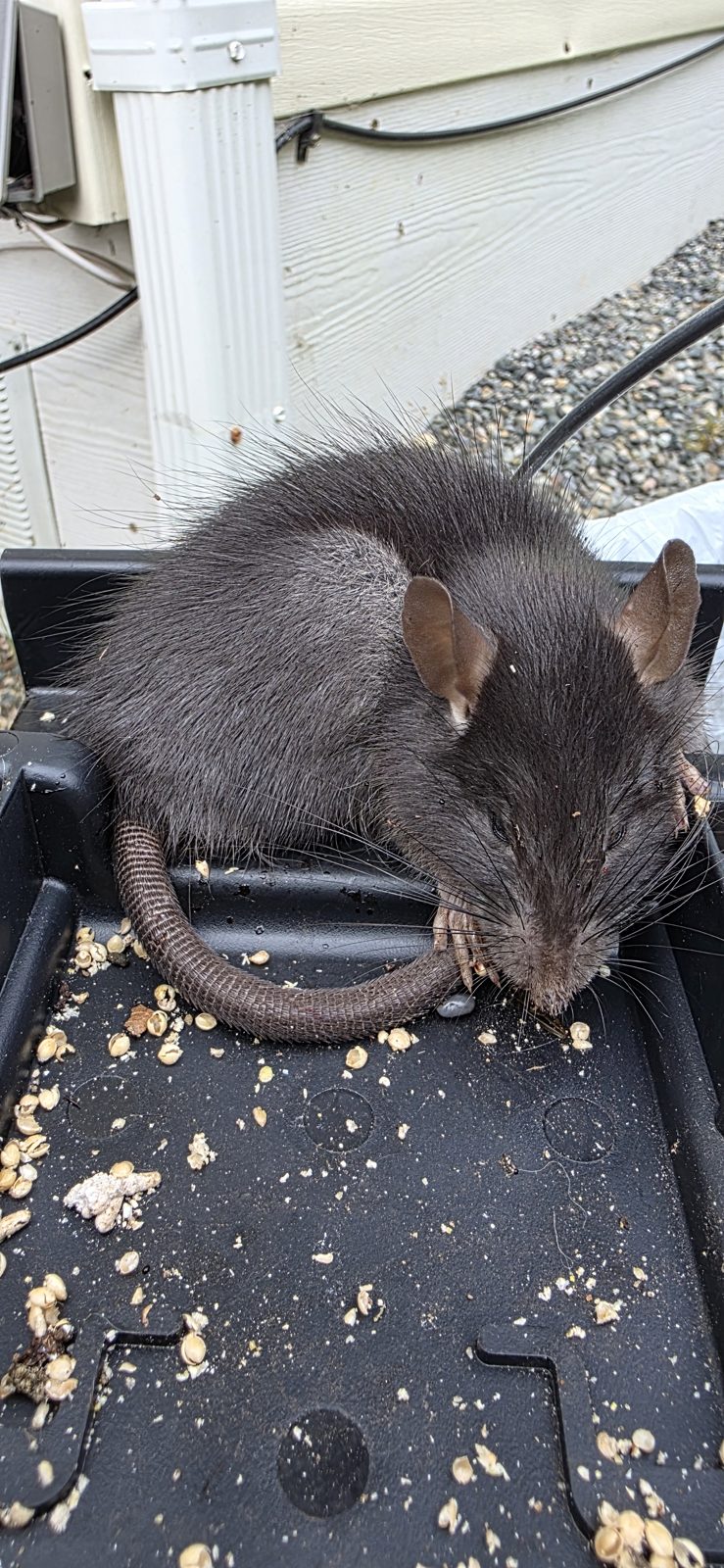
Daily duties
- Inspect homes, businesses and surrounding areas to find the source and extent of a pest infestation and any damage it has caused.
- Identify the pest correctly, since the right treatment depends on the species.
- Talk with customers about what they have seen, explain the plan, and recommend treatment and prevention methods.
- Measure areas that need treatment and estimate the cost of service.
- Choose a treatment that fits the pest, the site and the product label, using integrated pest management principles.
- Apply pesticides by spraying or dusting, or by placing baits, following label directions exactly.
- Set mechanical traps and place bait stations for rodents and other pests.
- Place and check monitoring traps to measure pest activity before and after treatment.
- Point out conditions that invite pests, such as moisture, clutter and gaps, and recommend sanitation or repairs.
- Operate and maintain spray equipment, including hand-held compressed-air sprayers, backpack sprayers and truck-mounted power sprayers, and calibrate equipment so the right amount is applied.
- Drive a company vehicle between stops and keep its chemicals and equipment secured.
- Record the work done, including pests found, products and amounts used, and recommendations made.
- Clean the work site after the job is finished.
- Track inventory of chemicals and supplies.
- Wear and maintain personal protective equipment such as gloves, goggles and respirators when the job or label calls for it.
- Complete required training and continuing education to keep a licence current.
Work environment
- Schedule
- BLS says most pest control workers are employed full time, working evenings and weekends is common, and some work more than 40 hours per week. In O*NET's work context survey, 51 percent reported a 40-hour week. Ask employers how routes are scheduled, whether Saturday work is expected, and how overtime is handled.
- Seasons
- Neither BLS nor O*NET publishes how workload in this occupation changes through the year, so this guide does not put numbers on it. Pest activity does follow biology and weather. Some pest events are clearly seasonal, for example termite swarms in spring and fall described by University of California IPM. Ask employers how the number of stops, hours and pay change between the busy and slow parts of the year where you live.
- Physical
- BLS describes workers who kneel, bend and crawl in tight spaces to inspect sites, and lists physical stamina as an important quality. In O*NET's survey, 66 percent spend more than half their time walking or running, 58 percent spend more than half their time standing, and 55 percent spend more than half their time making repetitive motions. Crawlspaces, attics and ladders are part of the job.
- Hazards
- Pesticides are the obvious hazard. BLS says workers are trained in pesticide safety and typically wear protective gear that may include gloves, goggles and respirators. O*NET's survey found 66 percent are exposed to contaminants every day, 52 percent to hazardous conditions every day, and 35 percent to minor burns, cuts, bites or stings every day. Rodent work carries a disease risk: CDC says people who handle and clean up after rodents, such as pest exterminators, are at higher risk of hantavirus exposure and should take precautions. Hot attics and summer days bring heat illness risk, which OSHA says affects both indoor and outdoor workers. Ladders and roofs bring fall risk; OSHA calls falls among the most common causes of serious work-related injuries and deaths. The MSU manual tells technicians to keep a ladder on the truck and never use a customer's chair or ladder.
- Vehicle and travel
- You drive for a living. BLS says many pest control companies require a driver's licence and a good driving record. O*NET lists driving a truck equipped with power spraying equipment as a core task. Whether the vehicle is a company truck, whether you can take it home, and who pays for fuel are employer policies that vary, so ask.
How people get in
Hired with no experience, trained on the job, licensed within the first year. No degree required anywhere in the US.
Training and licensing
Getting hired
BLS says pest control workers typically need a high school diploma or equivalent. In O*NET's survey, 85 percent said a high school diploma or equivalent is required and 14 percent said a post-secondary certificate is required. No college degree is needed to start. Under federal rules the minimum age is 18 for certified applicators and for noncertified applicators using restricted use pesticides under direct supervision; California's structural pest law also sets 18 as the minimum age to apply for its applicator and field representative licences. BLS says many companies require a driver's licence and a good driving record. Background checks are not set by federal rule for this job, but companies accredited under NPMA's QualityPro program must meet standards that include background and motor vehicle record checks. Expect to be asked about your driving record and possibly your background.
Learning on the job
BLS says most pest control workers begin as technicians and receive on-the-job training that can usually be completed in less than 3 months. States set minimums, and they differ. In Texas, a new hire registers as an apprentice within 10 days of employment. The apprentice must complete 20 hours of classroom training in general standards, 8 hours of classroom training in each category, and 40 hours of on-the-job training in each category, plus an approved technician training course, and must pass the technician exam before the 12-month apprentice card expires. Until training is complete, an apprentice may not work without a licensed applicator physically present. In Florida, a supervised unlicensed employee must complete 40 hours of site training under the certified operator in charge before performing, soliciting, inspecting or applying pest control, then complete 4 continuing education units within 6 months of receiving an ID card and 2 every year after. Federal rules for anyone using restricted use pesticides under supervision require training within the last 12 months, a way to reach the certified applicator immediately, and access to the product labeling at all times.
Licensing
BLS says most states require pest control workers to be licensed, and that workers usually must complete training and pass an exam. The federal framework covers restricted use pesticides: EPA sets certification standards in 40 CFR Part 171, which includes a commercial category for industrial, institutional, structural and health related pest control, and each state's pesticide agency runs certification under those standards. Many states go further and license structural work whatever product is used. Michigan's category 7A manual describes a commercial applicator subclass for anyone who applies pesticides other than ready-to-use products in the course of employment or for hire. Florida's structural pest control law requires anyone without a licence to be supervised regardless of the type of pesticide. The common pattern is a ladder: a registered trainee or apprentice, then a licensed technician who can work alone in the categories they hold, then a certified applicator or operator who can supervise others and is often the person a company licence depends on. Exams usually include a core section on laws, safety and labels plus a category exam. Category names differ: Texas calls it Pest Control, Florida General Household Pest Control, California Branch 2 General Pest, and several states use a numbered 7A category. Licences must be renewed with continuing education; the federal maximum recertification interval is 5 years, and many states renew every year. Check your state's agency (NPIC keeps a directory) and this site's state pages for exact hours, fees and exam rules. This is not legal advice.
Certifications worth knowing
State pesticide applicator licence (general or household pest category)
Your state pesticide regulatory agency
The licence that lets you do the work. Usually a core exam plus a category exam, with continuing education to renew. Requirements vary by state.
Associate Certified Entomologist (ACE)
Entomological Society of America
A voluntary credential for experienced technicians. Requires a current licence that allows unsupervised structural application, at least 5 years of verifiable pest management experience in the US (less with an entomology-related degree), two professional references and a passing exam. Renewal every 3 years with at least 18 CEUs.
Board Certified Entomologist (BCE)
Entomological Society of America
ESA's longer-established credential, built on a combination of experience, education, references and examination. Eligibility rules changed on 1 January 2025, so check ESA's current requirements.
QualityPro (company accreditation)
NPMA QualityPro
Accredits companies, not individuals. Accredited companies must meet standards for hiring practices, background and motor vehicle record checks, insurance, workplace safety, customer communications, environmental stewardship and employee training and testing.
- In plain words
- State pesticide licence, usually an apprentice-to-technician-to-applicator ladder. The most common entry point in the industry.
- Government pay data
- Counted as pest control workers by the Bureau of Labor Statistics
Skills and tools
- Customer service: BLS lists it as an important quality, and O*NET finds most workers in face-to-face contact every day.
- Attention to detail, because pesticide labels and safety rules must be followed exactly.
- Inspection and observation: finding small signs of pests in dark, cramped spaces.
- Pest identification and basic biology, which O*NET lists among the knowledge areas for the job.
- Basic math for measuring areas, mixing products and estimating costs.
- Recordkeeping: tracking hours, chemical use and payments, as BLS describes.
- Time management across a route of separate stops.
- Physical stamina for standing, bending, kneeling and crawling.
- Explaining technical problems in plain words, so customers understand what they must change.
- Heavy-duty flashlight, the most important inspection tool according to the MSU manual
- Hand mirror for looking behind and under fixtures
- Utility tools such as screwdrivers for opening access points
- Monitoring traps, including pheromone traps for cockroaches and stored product pests
- Flushing agents used during inspection
- Hand-held compressed-air sprayer
- Backpack sprayer
- Truck-mounted power sprayer
- Hand and power dusters
- Bait stations and bait boxes
- Mechanical traps for rodents
- Ladder carried on the truck
- Camera, where permitted, to document conditions that need correcting
- Personal protective equipment: gloves, goggles and respirators as needed
- Route and service software such as scheduling programs and pest management databases (O*NET lists PestPac)
Career path
- 01Trainee or apprenticeHired without experience and trained under supervision. You learn the pests, the equipment, the labels and the customer conversation, and you work toward the state technician exam. In Texas the apprentice card lasts 12 months.
- 02Licensed technician on a routeYou run your own route in the categories you are licensed for. You still work under a certified applicator or operator who is responsible for your work, and you keep up yearly training. In Texas a technician needs 8 hours of verifiable training each calendar year.
- 03Certified applicator or operatorThe level that can supervise others and, in many states, carry a company's licence. Texas requires one of three routes before the exam: six months as a licensed technician plus 12 of the last 24 months under supervision, a biological science degree, or 12 months of verifiable pest control employment in the last 24 months.
- 04SpecialistMany technicians add categories and move into termite and WDO work, bed bugs, commercial accounts or fumigation. After five years of experience, some earn the ACE credential.
- 05Supervisor or managerBLS says applicators with several years of experience may become supervisors. This site's management page covers branch, technical, safety and operations roles.
- 06OwnerBLS says some workers start their own pest management business, and 5 percent of pest control workers were self-employed in 2025. Owning a company adds a business licence, a named certified person and insurance requirements. See Starting a company.
Pay and benefits
National figures for pest control workers — the government job category this field is counted under.
- $45,250Median annual pay · $21.75/hr source (BLS, opens in a new tab)
- $34,680–$61,890Lowest 10% to highest 10% of earners source (BLS, opens in a new tab)
- +6%Projected job growth 2025–2035 (all jobs: 3%) source (BLS, opens in a new tab)
- 13,700Openings projected each year, on average source (BLS, opens in a new tab)
$44,930 median inside exterminating and pest control services
$50,980 median across all US occupations
What these numbers leave out
- Self-employed workers — so owner-operators are absent entirely
- Overtime premium pay, shift differentials and non-production bonuses (commissions and production bonuses are included)
- Seasonal variation (annual figures assume 2,080 hours)
Real route pay depends on commission, truck and tool allowances and overtime. Compare notes in the Discord.
BLS does not track general pest work separately from other pest control work, so the honest figure is the one for all pest control workers (SOC 37-2021). The median annual wage was $45,250 in May 2025, or $21.75 an hour. The lowest 10 percent earned less than $34,680 and the highest 10 percent earned more than $61,890. In exterminating and pest control services, where most of these workers are employed, the median was $44,930. For context, the median for all occupations was $50,980. Read these figures with BLS's own definitions in mind. Annual wages assume a full-time, year-round schedule of 2,080 hours. OEWS wages include base pay, commissions, production bonuses and piece rates, but exclude overtime pay, non-production bonuses such as holiday or year-end bonuses, and shift differentials. OEWS also leaves out self-employed workers, so owner-operators are not in these numbers. Many technicians are paid partly on commission or production; ask any employer exactly how pay is calculated, what a typical route earns, and how pay changes in slow months.
Benefits
BLS does not publish benefits for pest control workers specifically. The closest official figures come from the National Compensation Survey for March 2026, for private industry workers in service occupations, the broad group that includes building and grounds cleaning and maintenance work. In that group, 47 percent had access to medical care benefits (23 percent participated), 47 percent had access to retirement benefits (23 percent participated), 67 percent had access to paid sick leave, 57 percent to paid vacation, 56 percent to paid holidays and 33 percent to life insurance. For all private industry workers the figures were 71 percent for medical care, 72 percent for retirement, 81 percent for paid sick leave, 80 percent for paid vacation, 81 percent for paid holidays and 59 percent for life insurance. Full-time status matters a great deal: 87 percent of full-time private workers had access to medical care, against 23 percent of part-time workers. The service occupations group covers many jobs besides pest control, so treat these as context, not as a description of any one employer. No official source gives the share of pest companies that provide a take-home vehicle, uniforms, phones, paid licensing or exam fees, or paid training time. Ask each employer directly about all of these, and ask when health coverage starts.
State-by-state licensing
This field runs through each state’s pesticide licensing programme, and every state names and splits its categories differently. Here’s what it’s called in the states we’ve verified so far.
- AlabamaALAlabama Department of Agriculture and Industries (ADAI) — Pesticide Management DivisionHPC — Household, Institutional and Industrial Pest Control (Certified Operator) · HPB — Household, Institutional and Industrial Pest Control (Branch Supervisor)
- AlaskaAKAlaska Department of Environmental Conservation (DEC) — Pesticide Control ProgramSee the full list of licence categories
- ArizonaAZArizona Department of Agriculture — Office of Pest Management (OPM), formerly the Pest Management Division (PMD)See the full list of licence categories
- ArkansasARArkansas Department of Agriculture — Pest Control Program (Arkansas State Plant Board rules)2 — Household Pest and Rodent Control · 3 — General Fumigation
- CaliforniaCACalifornia Structural Pest Control Board (SPCB), Department of Consumer AffairsBranch 2 — General pest
- ColoradoCOColorado Department of Agriculture (CDA) — Pesticide Applicator Certification and Licensing ProgramSee the full list of licence categories
- ConnecticutCTConnecticut Department of Energy and Environmental Protection (DEEP) — Pesticide Management Program7A — General Pest Control
- DelawareDEDelaware Department of Agriculture (DDA) — Pesticides Section7A — General Pest Control
- FloridaFLFlorida Department of Agriculture and Consumer Services (FDACS) — Bureau of Licensing and EnforcementGHP — General household pest control
- GeorgiaGAGeorgia Department of Agriculture — Structural Pest Control Section (Georgia Structural Pest Control Commission)HPC — Household Pest Control (Category 29)
- HawaiiHIHawaii Pest Control Board, Department of Commerce and Consumer Affairs (DCCA) Professional and Vocational Licensing — with applicator certification by the Hawaii Department of Agriculture and Biosecurity (DAB) Pesticides BranchBR-2 — General Pest · 7C — General Pest Control
- IdahoIDIdaho State Department of Agriculture (ISDA) — Agricultural Resources Division, Pesticide Applicator Licensing & CertificationSee the full list of licence categories
- IllinoisILIllinois Department of Public Health (IDPH) — Division of Environmental Health, Structural Pest Control ProgramGeneral Standards — General Standards Examination (General Use Pesticides)
- IndianaINOffice of Indiana State Chemist (OISC) — Pesticide Section, Purdue UniversitySee the full list of licence categories
- IowaIAIowa Department of Agriculture and Land Stewardship (IDALS) — Pesticide Bureau7A — General and household pest control
- KansasKSKansas Department of Agriculture (KDA) — Pesticide and Fertilizer ProgramSee the full list of licence categories
- KentuckyKYKentucky Department of Agriculture (KDA) — Structural Pest Control BranchSee the full list of licence categories
- LouisianaLALouisiana Department of Agriculture and Forestry (LDAF) — Structural Pest Control CommissionLP1 — General pest control
- MaineMEMaine Board of Pesticides Control (BPC), Department of Agriculture, Conservation and Forestry7A — Structural General Pest Control (Includes Food Processing)
- MarylandMDMaryland Department of Agriculture (MDA) — Pesticide Regulation Section7A — General pest control
- MassachusettsMAMassachusetts Department of Agricultural Resources (MDAR) — Pesticide Program41 — General Pest Control · 46 — General Public Health
- MichiganMIMichigan Department of Agriculture and Rural Development (MDARD) — Pesticide Section7A — General Pest Management
- MinnesotaMNMinnesota Department of Agriculture (MDA) — Pesticide & Fertilizer Management DivisionSee the full list of licence categories
- MississippiMSMississippi Department of Agriculture and Commerce (MDAC) — Bureau of Plant IndustryGRCL — General pest and rodent control
- MissouriMOMissouri Department of Agriculture — Bureau of Pesticide Control7A — General Structural Pest Control
- MontanaMTMontana Department of Agriculture (MDA) — Pesticide ProgramSee the full list of licence categories
- NebraskaNENebraska Department of Agriculture (NDA) — Pesticide ProgramSee the full list of licence categories
- NevadaNVNevada Department of Agriculture — Pest Control SectionSee the full list of licence categories
- New HampshireNHNew Hampshire Department of Agriculture, Markets and Food — Division of Pesticide ControlSee the full list of licence categories
- New JerseyNJNew Jersey Department of Environmental Protection (NJDEP) — Pesticide Control Program7A — General and household pest control · 8A — General
- New MexicoNMNew Mexico Department of Agriculture (NMDA), New Mexico State University — Pesticide ComplianceSee the full list of licence categories
- New YorkNYNew York State Department of Environmental Conservation (NYSDEC) — Bureau of Pesticides ManagementSee the full list of licence categories
- North CarolinaNCNorth Carolina Department of Agriculture and Consumer Services (NCDA&CS) — Structural Pest Control and Pesticides DivisionP — Household Pest Control
- North DakotaNDNorth Dakota Pesticide Control Board / North Dakota Department of Agriculture — certification delegated to NDSU Extension Pesticide ProgramSee the full list of licence categories
- OhioOHOhio Department of Agriculture (ODA) — Division of Plant Health, Pesticide & Fertilizer Regulation6a — General ornamental pest control · 10a — General pest control
- OklahomaOKOklahoma Department of Agriculture, Food, and Forestry (ODAFF) — Consumer Protection Services Division7a — General Pest Control
- OregonOROregon Department of Agriculture (ODA) — Pesticides ProgramSubcategory — Pest Control, General
- PennsylvaniaPAPennsylvania Department of Agriculture (PDA) — Bureau of Plant Industry, Pesticide Programs11 — Household and Health Related
- Rhode IslandRIRhode Island Department of Environmental Management (DEM) — Division of Agriculture, Pesticides7A — General Pest
- South CarolinaSCClemson University — Department of Pesticide Regulation (DPR)See the full list of licence categories
- South DakotaSDSouth Dakota Department of Agriculture and Natural Resources (DANR) — Division of Agriculture & Environmental ServicesG — General (core)
- TennesseeTNTennessee Department of Agriculture (TDA) — Consumer and Industry Services, PesticidesGRC — General Pest and Rodent Control (requires C07)
- TexasTXTexas Department of Agriculture — Structural Pest Control Service (SPCS)See the full list of licence categories
- UtahUTUtah Department of Agriculture and Food (UDAF) — Pesticide ProgramSee the full list of licence categories
- VermontVTVermont Agency of Agriculture, Food and Markets (VAAFM) — Public Health and Agricultural Resource Management Division7A — General Pest Control
- VirginiaVAVirginia Department of Agriculture and Consumer Services (VDACS) — Office of Pesticide Services7A — General Pest Control
- WashingtonWAWashington State Department of Agriculture (WSDA) — Pesticide Management DivisionSee the full list of licence categories
- West VirginiaWVWest Virginia Department of Agriculture (WVDA) — Pesticide & Environmental Services Division8A — General Pest Control · 8C — General Fumigation
- WisconsinWIWisconsin Department of Agriculture, Trade and Consumer Protection (DATCP) — Bureau of Agrichemical ManagementSee the full list of licence categories
- WyomingWYWyoming Department of Agriculture (WDA) — Technical Services Division, Pesticide Program900 — Core / General Standards · 907G — Industrial, Institutional, and Structural Pest Control (General) · 908G — Health Related Pest Control (General)
Your state not here yet? We add states only after checking them against the state agency. Ask in the Discord — someone there has licensed in it.
The good and the hard
- You can start without a degree and learn on the job. BLS says training can usually be completed in less than 3 months.
- Steady demand. BLS projects 6 percent growth from 2025 to 2035, faster than the 3 percent average, with about 13,700 openings a year.
- Independence. In O*NET's survey, half of workers said they have a lot of freedom to decide how they do their tasks.
- Problem solving. Each stop is a small investigation into why pests are there and how to stop them coming back.
- It opens doors. Termite, fumigation, bed bug, commercial, management and ownership routes almost all start here.
- Pay sits below the all-occupation median: $45,250 against $50,980 in May 2025.
- Evenings and weekends are common, according to BLS, and some weeks run past 40 hours.
- It is physical. Kneeling, crawling, ladders, heat and cold are routine.
- Daily exposure to contaminants and hazardous conditions, as O*NET's survey shows, means safety habits cannot slip.
- A lot of driving, which puts your driving record at the centre of your employability.
- Customers can be stressed or unhappy, and you are the person standing in front of them.
From the crew
Photos members posted in the LTK Discord, shared with the community’s okay. Browse the pest ID library.
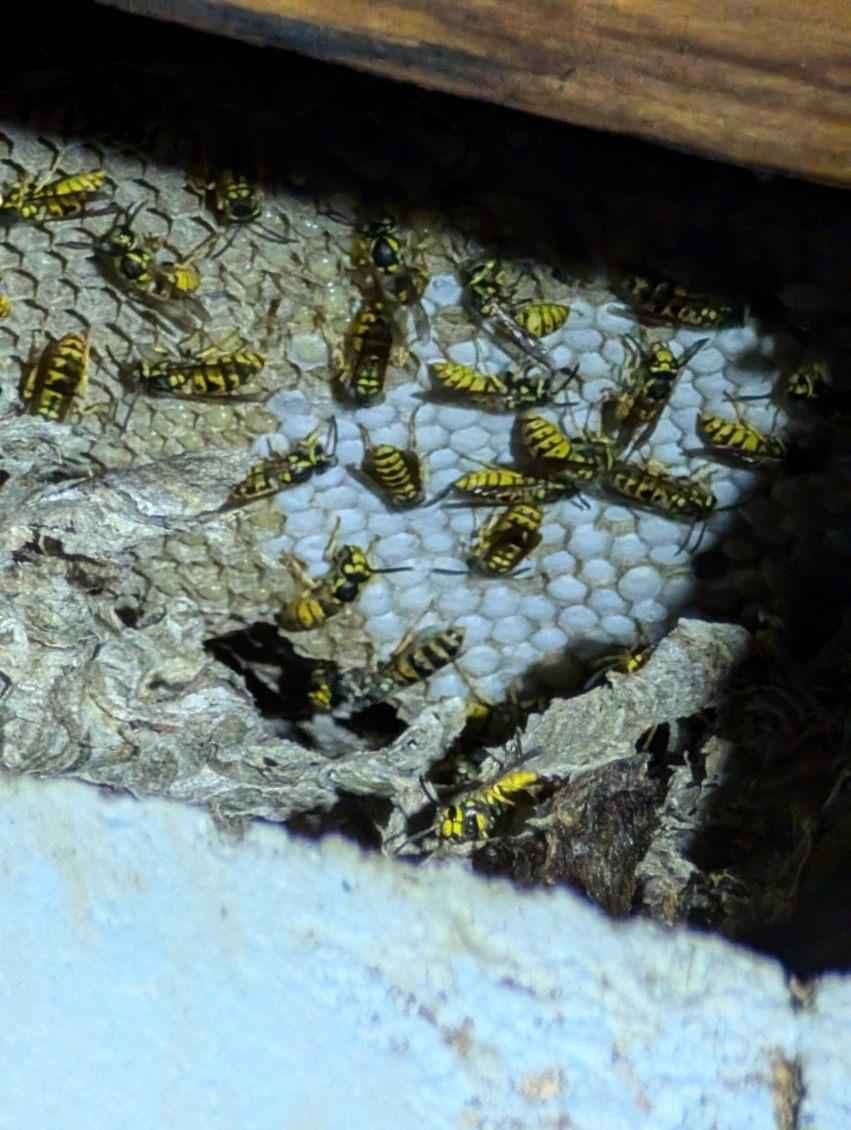 (opens full size in a new tab)
Yellowjacket colony in wall voidLTK member · Jan 2025 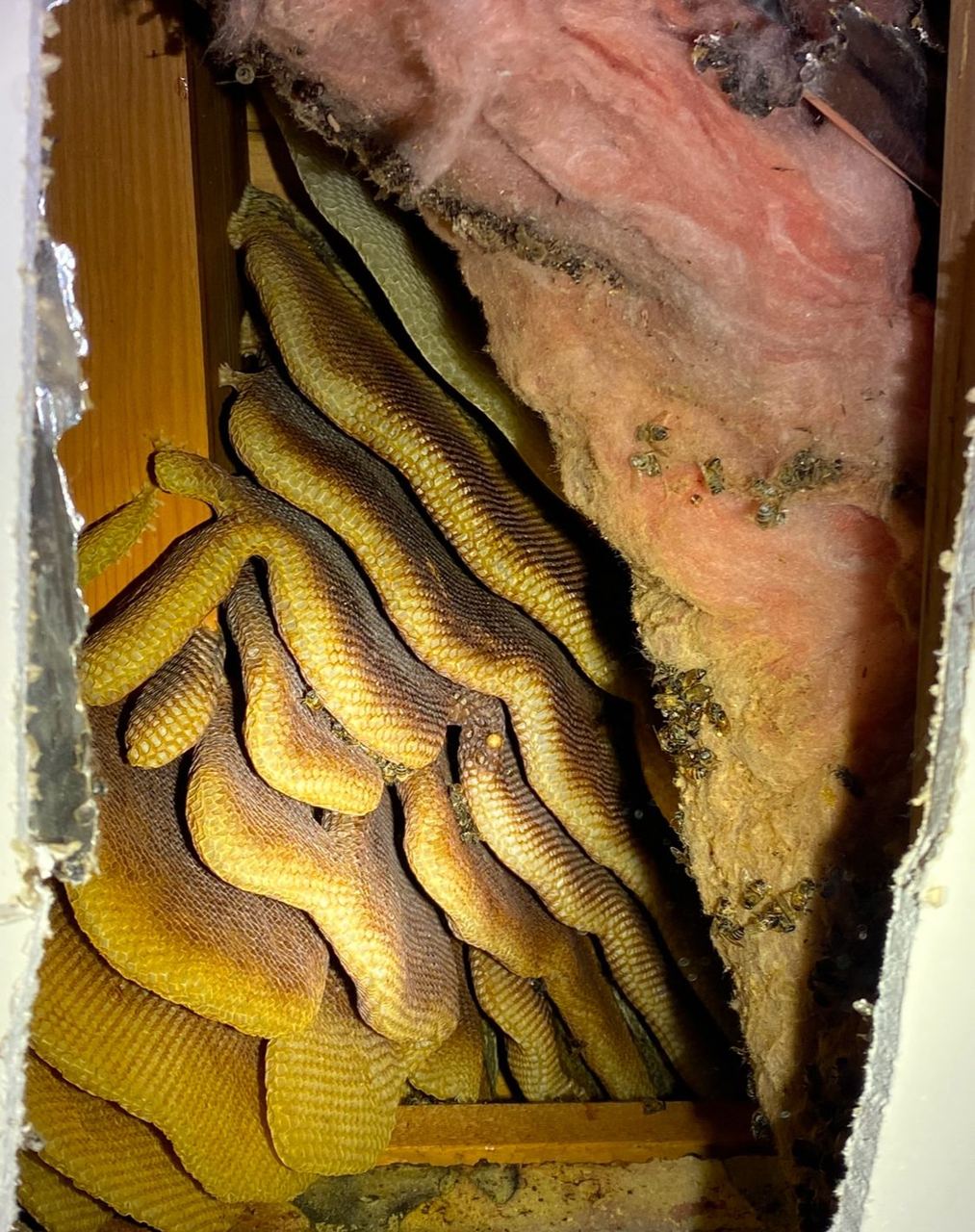 (opens full size in a new tab)
Established honey bee colony in wallLTK member · Jan 2025 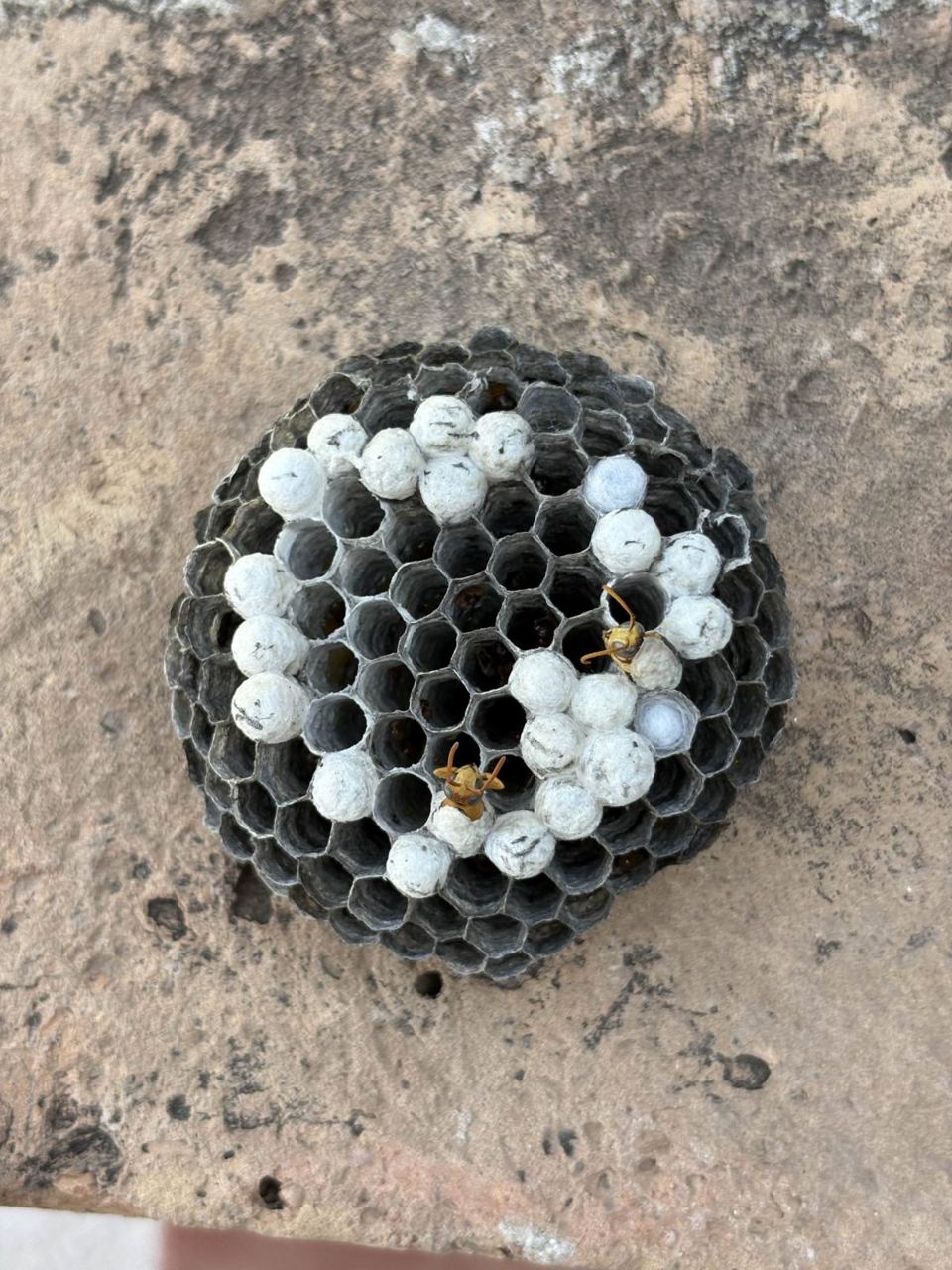 (opens full size in a new tab)
Paper wasp nest with capped broodLTK member · Jul 2025 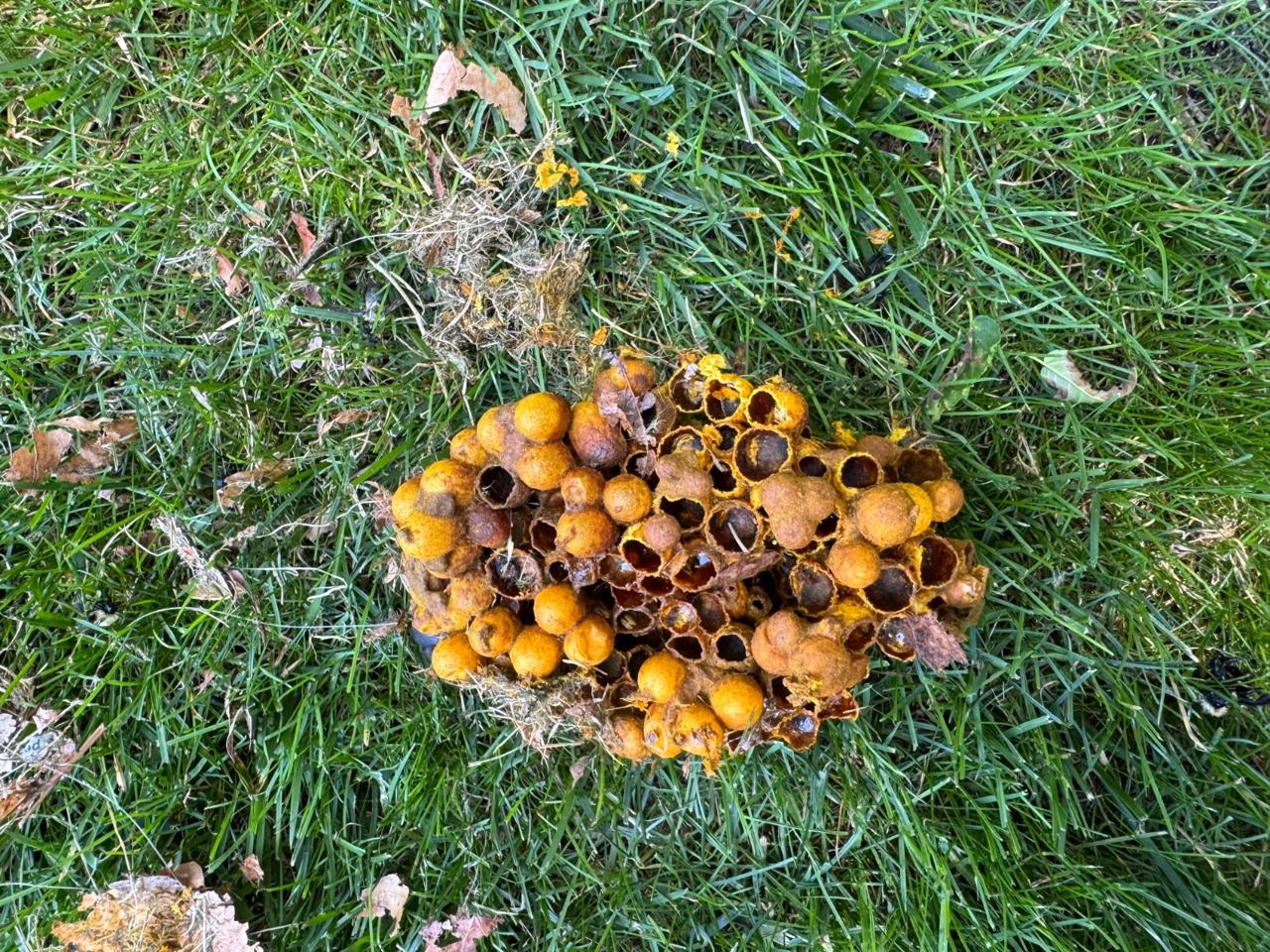 (opens full size in a new tab)
Dug-out bumble bee nestLTK member · Jul 2025 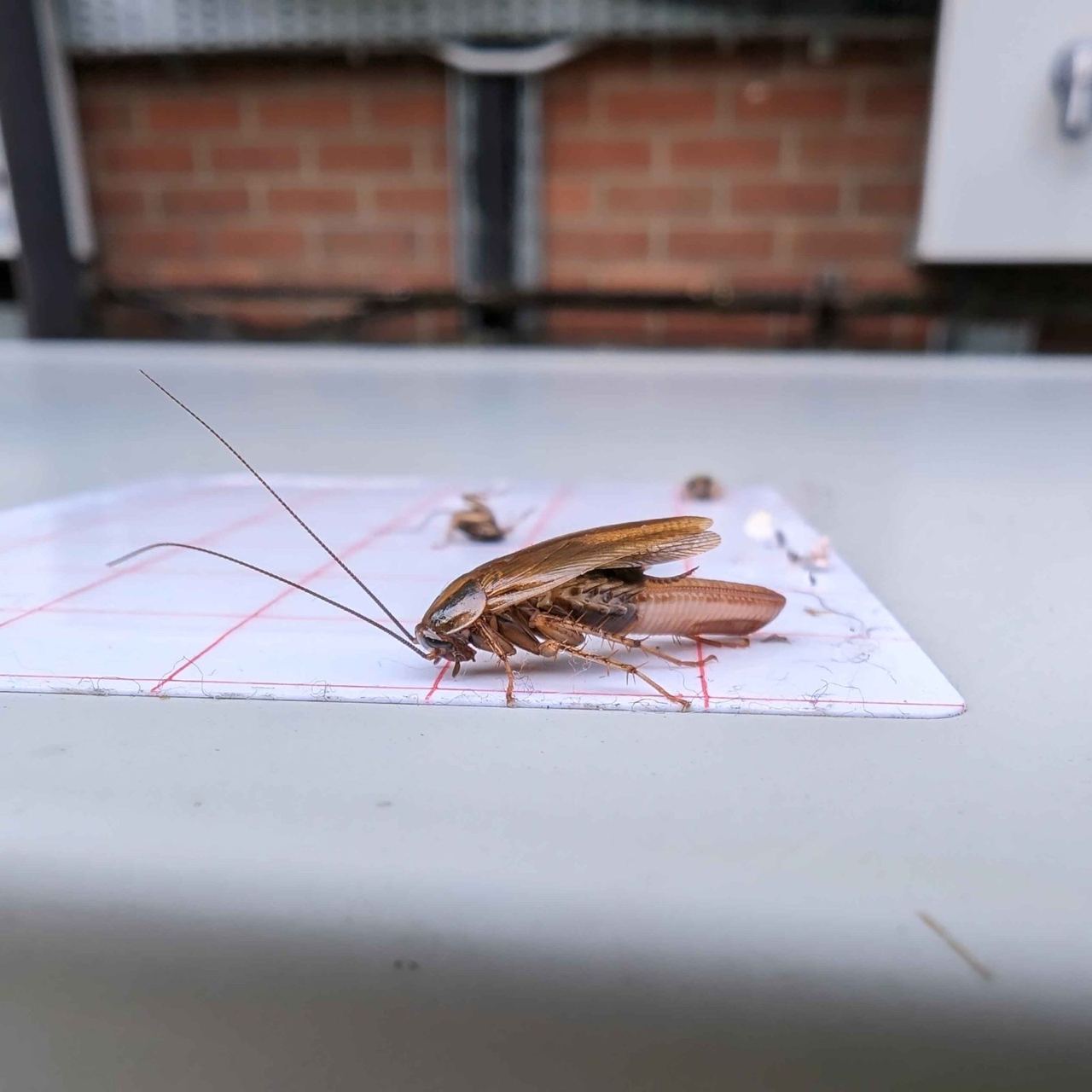 (opens full size in a new tab)
German cockroach female with oothecaLTK member · Jan 2025 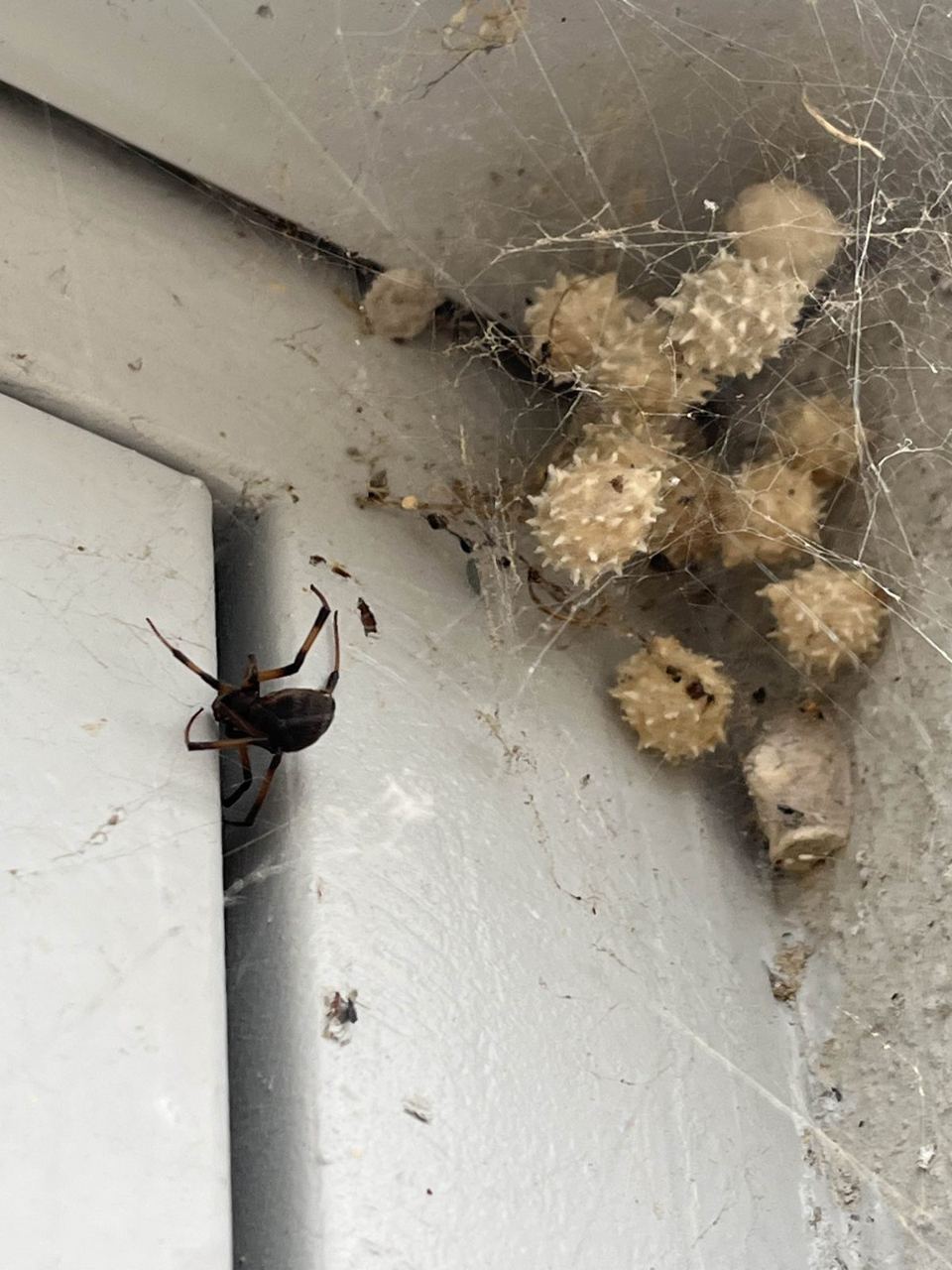 (opens full size in a new tab)
Brown widow with spiky egg sacsLTK member · Jan 2025 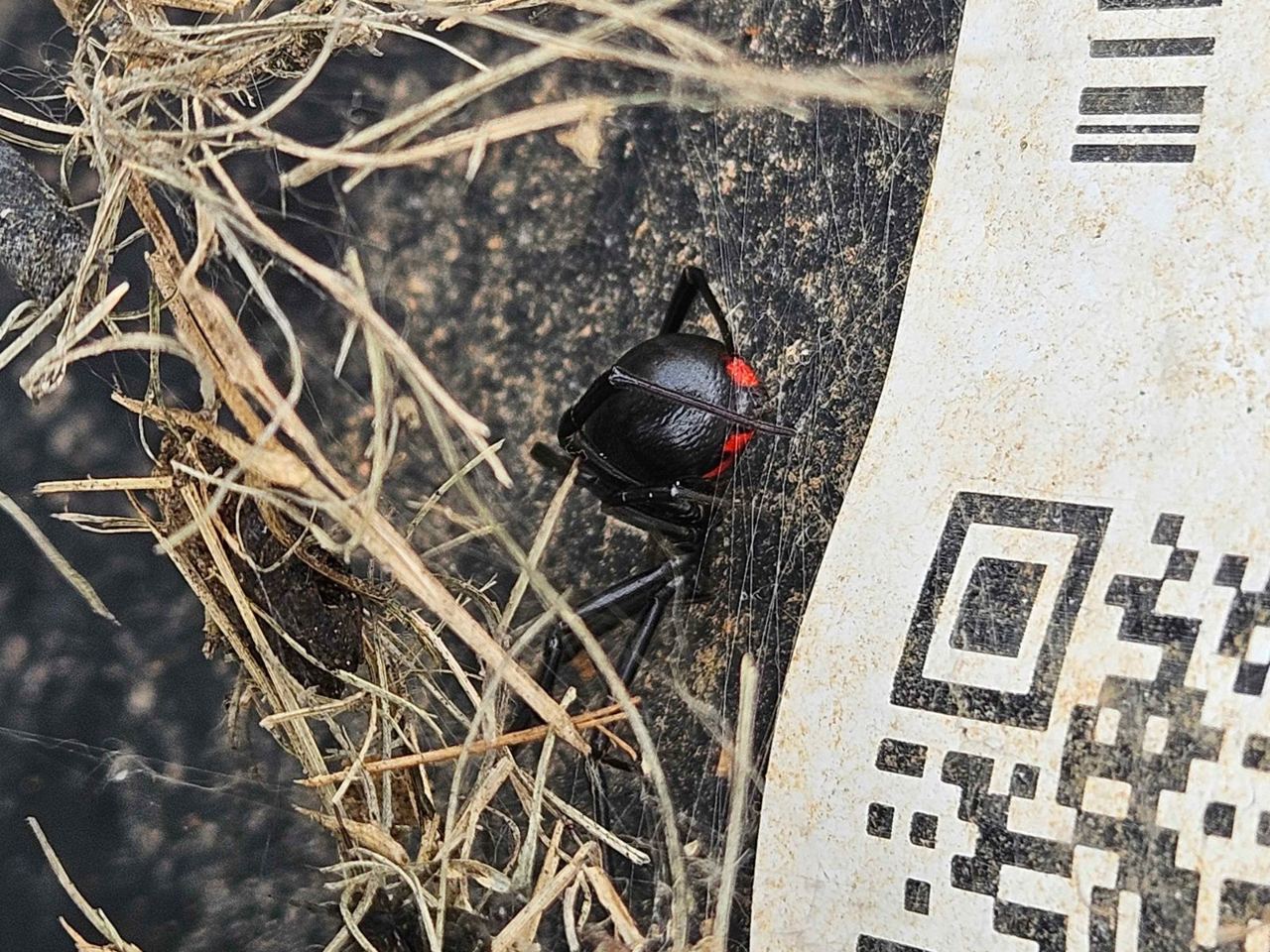 (opens full size in a new tab)
Widow spider with red markingsLTK member · Feb 2025 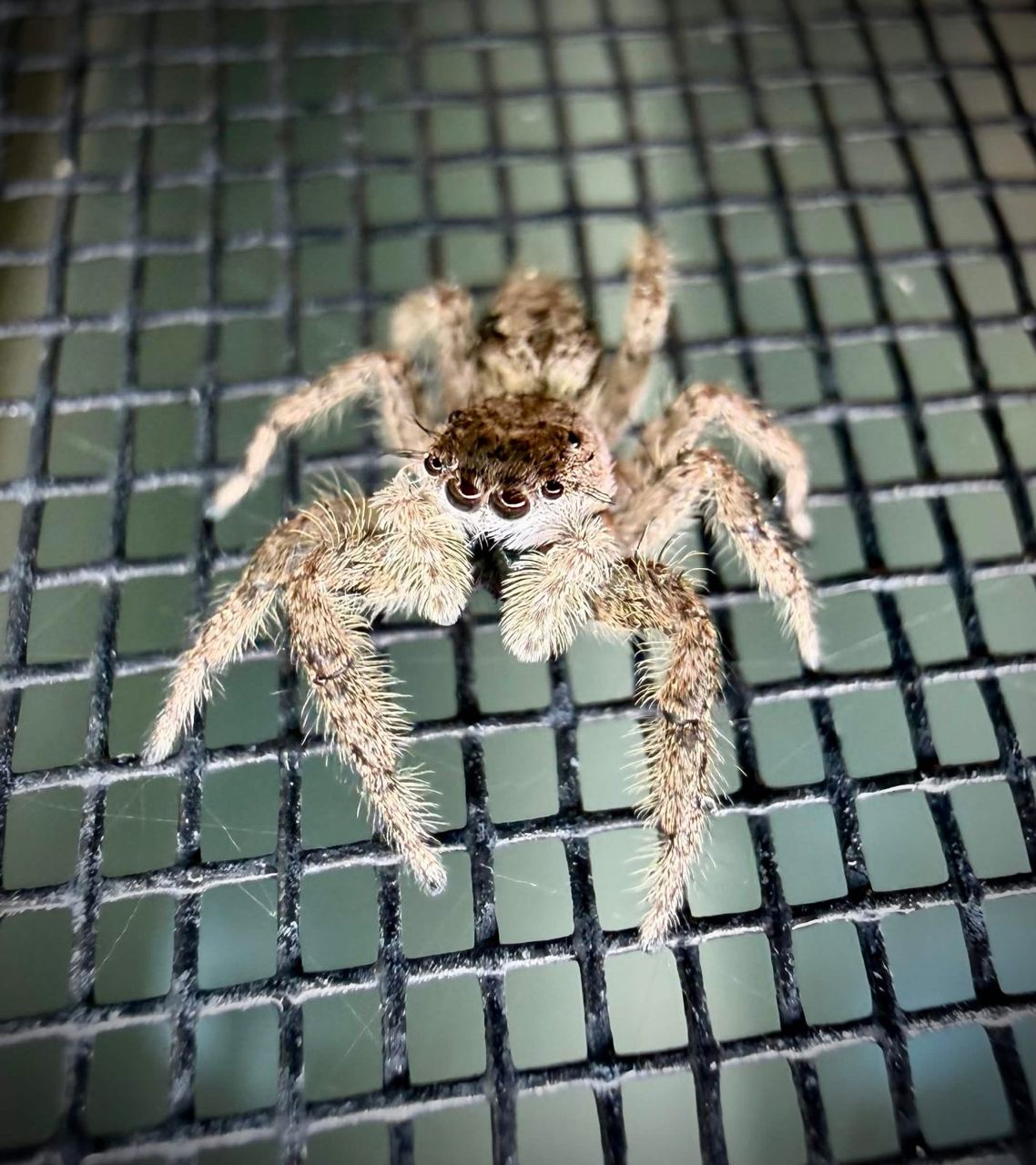 (opens full size in a new tab)
Jumping spider eyes close-upLTK member · May 2026
From the LTK podcast
Every episodePest Talk: Spiders
1 hr 15 min
Brandon Runyon, BCE, on spiders: identification, habitats and more, for new techs and veterans alike.
Beyond the Basics: Active Ingredients
1 hr 14 min
Jorge Bedoya, ACE, on active ingredients: insecticide chemistry and the ongoing problem of resistance.
Where it fits in a career
Questions people ask
+Do I need a degree or prior experience?
No. BLS says a high school diploma or equivalent is the typical entry requirement and most workers start as technicians trained on the job.
+Can I work while I am getting my licence?
In most states, yes, under supervision. Texas registers new hires as apprentices who work under a licensed applicator until they pass the technician exam. Florida lets supervised unlicensed employees work after 40 hours of site training. The rules differ by state, so check your state page.
+How long does it take to get licensed?
BLS says on-the-job training can usually be completed in less than 3 months. State timelines vary. In Texas the technician exam must be passed before the 12-month apprentice card expires.
+What does it pay?
The BLS median for pest control workers was $45,250 a year in May 2025, with the lowest 10 percent under $34,680 and the highest 10 percent over $61,890. Commission and production pay are common enough that you should ask exactly how a company calculates pay.
+Is it dangerous?
It has real hazards: pesticides, rodent-borne disease, heat, ladders and driving. BLS says workers are trained in pesticide safety and typically wear gloves, goggles and respirators when needed. Following the label and your company's safety training is what keeps the job safe.
+Will I get a company truck?
Often the job involves driving a company truck, and O*NET lists driving a truck with spray equipment as a core task. Whether you take it home and who pays fuel are employer policies, so ask.
+Do I need a clean driving record?
BLS says many companies require a driver's licence and a good driving record. QualityPro-accredited companies must check motor vehicle records.
+Where can this lead?
Supervisor roles after several years as an applicator, according to BLS, plus specialist fields like termite, fumigation and bed bugs, and ownership.
Still deciding? Ask the people doing general pest control every day in the LTK Discord.
Ask on Discord(opens Discord in a new tab)Sources
- BLS Occupational Outlook Handbook: Pest Control Workers
- O*NET OnLine: Pest Control Workers (37-2021.00), summary and work context
- O*NET OnLine: Pest Control Workers (37-2021.00), task statements and tools
- BLS OEWS frequently asked questions (what wages include, 2,080-hour annual basis)
- BLS OEWS overview (self-employed workers excluded)
- BLS National Compensation Survey, Employee Benefits, March 2026, Table 2: Medical care benefits
- BLS National Compensation Survey, Employee Benefits, March 2026, Table 1: Retirement benefits
- BLS National Compensation Survey, Employee Benefits, March 2026, Table 6: Paid leave
- BLS National Compensation Survey, Employee Benefits, March 2026, Table 5: Life insurance benefits
- US EPA: Revised Certification Standards for Pesticide Applicators
- 40 CFR 171.101: Commercial applicator certification categories (Cornell LII)
- 40 CFR 171.201: Direct supervision of noncertified applicators (Cornell LII)
- Texas Department of Agriculture SPCS: Technician and Apprentice Licensing
- Texas Department of Agriculture SPCS: Certified Applicator Licensing
- UF/IFAS Extension PI293: Florida Rules for Direct Supervision of Unlicensed Pesticide Applicators
- Michigan State University Extension E-2048: General Pest Management, Category 7A
- US EPA: Integrated Pest Management (IPM) Principles
- US EPA: Introduction to Pesticide Labels
- CDC: Preventing Hantavirus
- ESA: ACE eligibility requirements
Researched 2026-10-01. Licensing details change; confirm with your state agency before you rely on them.
