
Fields · Running the business
Management: branch, technical, safety and operations
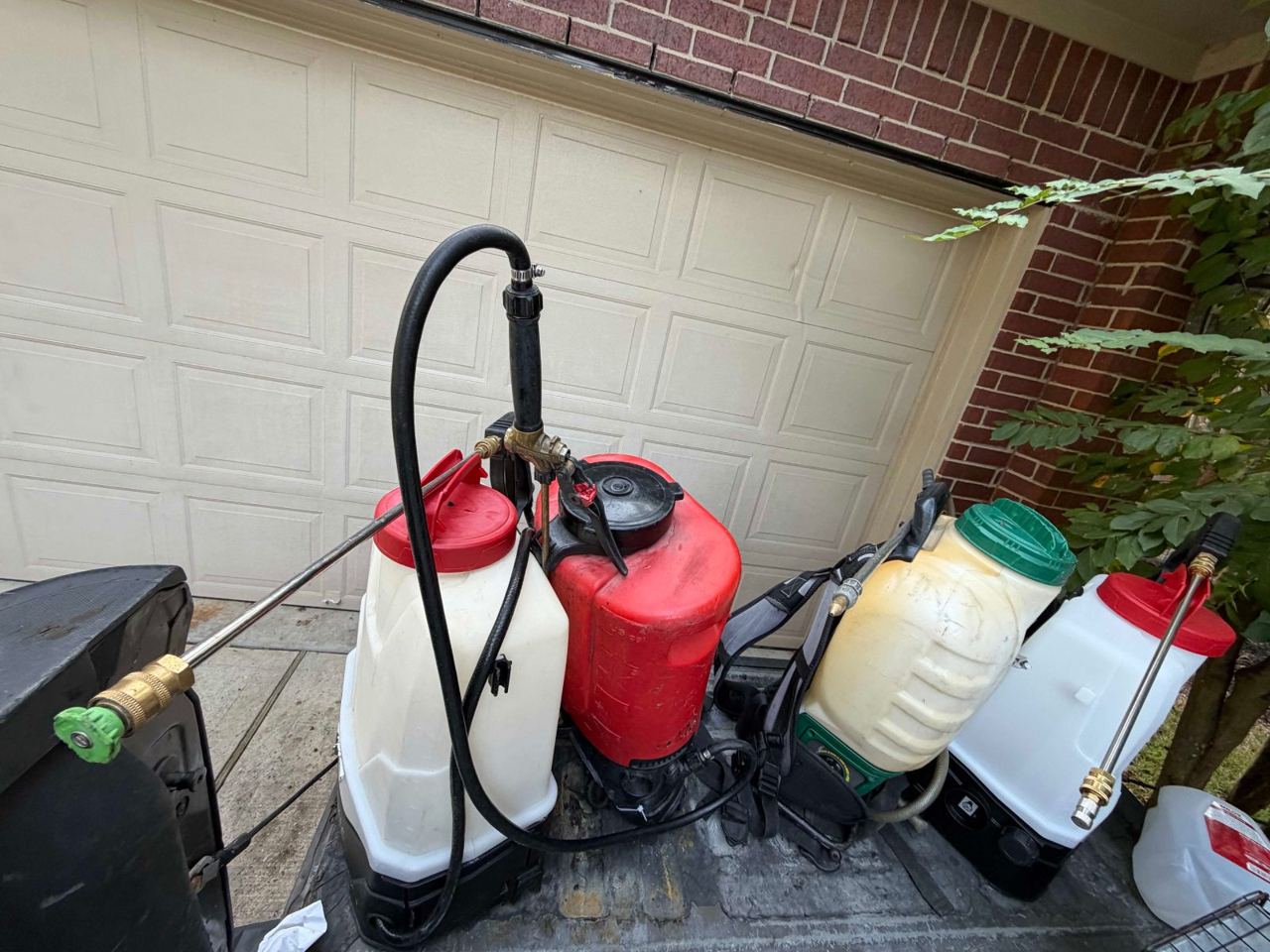
What is management: branch, technical, safety and operations work?
The jobs between the truck and the owner — branch manager, technical director, safety manager and operations manager — keeping routes, people and compliance running.
Key factOften the licence the whole company hangs on. Most states make a named, certified person responsible for the business licence — Texas calls it the responsible certified applicator, Florida the certified operator in charge, California the qualifying manager — and that person is usually a branch or technical manager.
Thinking about management: branch, technical, safety and operations? Ask the people doing it every day in the LTK Discord.
Ask on Discord(opens Discord in a new tab)What the job is really like
Management in pest control is the layer between the trucks and the owner. The titles vary by company, but the work falls into four jobs. A branch or service manager runs a territory: technicians, routes, customers and the numbers. A technical director or technical manager owns the right answer on identification, treatment, labels, callbacks and training. A safety manager owns injuries, vehicle and chemical safety, and training records. An operations manager owns scheduling, fleet, inventory and the software. In a small company one person does all four. In most states the company's licence also depends on a named, certified person who is responsible for the pest control work, and that person is often a manager. Nearly everyone in these jobs came up off a route. The work suits people who like solving other people's problems, can hold technicians to a standard without losing them, and are comfortable with numbers, complaints and responsibility for things they did not personally do.
A branch manager's day usually starts before the technicians leave. Routes have to be covered, sick calls replaced, and the day's emergencies fitted in. Once the trucks are out, the job is people and customers: ride-alongs to check work quality, callbacks on jobs that did not hold, escalations from unhappy customers, and sales follow-ups. Later come the numbers: production, cancellations, overtime, and whatever the owner or regional manager reviews each week. Hiring, training and discipline sit on top of all of it.
A technical director spends the day answering questions. Technicians call or message with an insect they cannot identify, a label question, or an account where treatments keep failing. The technical lead decides which products the company uses, writes treatment protocols, trains new hires and runs continuing education, and goes out to the hardest accounts personally. In states that require a certified person to supervise the company's pest control work, the technical lead often holds that role. Florida law, for example, makes the certified operator in charge a full-time employee responsible for personally supervising the selection of chemicals, safe use, correct concentrations, training of personnel and control measures, and for notifying the state within 24 hours of any accidental human poisoning or death on a job they supervise.
A safety manager's week is incidents, training and records. Companies with more than 10 employees at any time in the previous year must keep OSHA injury and illness records unless their industry is partially exempt, and the exterminating industry (part of NAICS 5617) is not on OSHA's partially exempt list. Every employer, regardless of size, must report work-related fatalities, in-patient hospitalisations, amputations and losses of an eye to OSHA. The rest of the job is preventing those events: hazard communication and Safety Data Sheets, respirator and PPE programmes, ladder safety, heat illness planning, vehicle safety, and making sure training is documented. The owner pages on this site cover the OSHA standards that apply to pest companies in more detail.
An operations manager's day is the system that holds the company together: scheduling and routing, the fleet and its maintenance, product inventory and storage, the service software and the records it keeps. In practice operations is where regulatory record keeping lives, because pesticide application records, vehicle requirements and storage rules all depend on systems working every day, not on one person remembering.
Across all four jobs the week has a rhythm: a few hours in the field, a lot of time on the phone and in meetings, and responsibility for outcomes produced by other people. The hardest part for most new managers is the shift from being the best technician to making other technicians good.
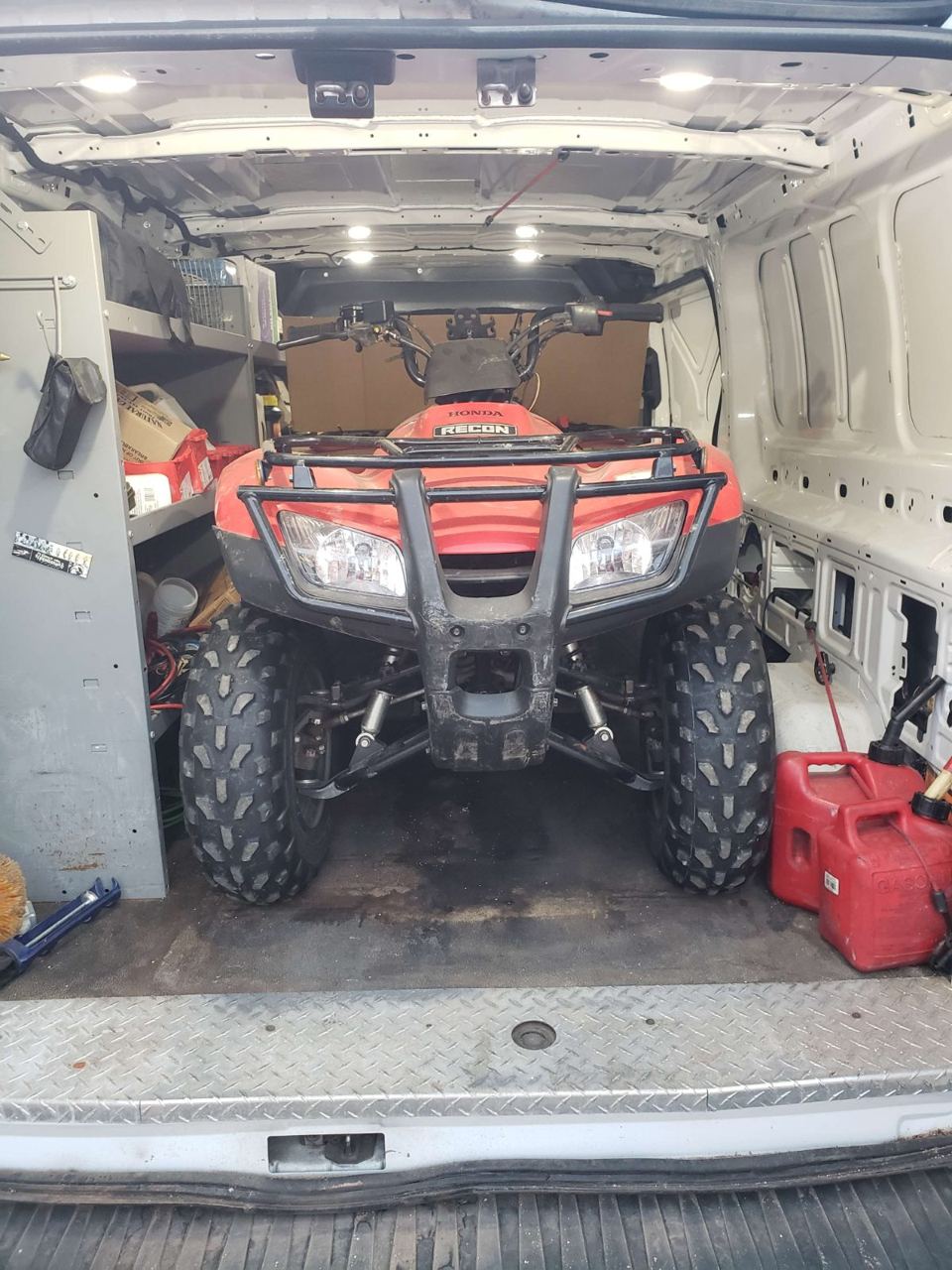
Daily duties
- Build and cover daily routes, and fit emergencies and callbacks into the schedule.
- Hire, train, coach and, when needed, discipline technicians and office staff.
- Ride along and inspect completed work to check quality and label compliance.
- Handle customer complaints and escalations, and decide on retreatments and refunds.
- Track branch numbers: production, cancellations, overtime, collections and sales.
- Answer technical questions on identification, product selection and label directions.
- Write treatment protocols and choose which products the company stocks.
- Serve as the state-required certified or qualifying person where the company designates you, and meet that role's supervision duties.
- Run or arrange continuing education so technicians keep their licences current.
- Keep OSHA injury and illness records and report serious injuries and fatalities to OSHA as required.
- Run hazard communication, PPE and respirator programmes and keep training records.
- Manage vehicle safety, maintenance and driver records.
- Control product inventory, storage and disposal.
- Audit pesticide application records for completeness.
- Report to the owner or regional leadership and carry out company policy.
Work environment
- Schedule
- BLS says evenings and weekends are common for pest control workers, and managers are the people who cover the gaps, so expect a schedule that bends around the field. There is no national survey of pest management hours. Ask any employer how many hours the role really runs in peak season and whether you are expected to be reachable after hours.
- Seasons
- Managers feel the season through staffing and workload: busy months mean more calls, more overtime and more hiring pressure. Technical and safety work runs year round, and slower months are when most training and planning happen.
- Physical
- Lighter than route work but not desk-only. Ride-alongs, inspections of difficult accounts and covering routes put you back in attics and crawlspaces, which BLS describes as hot in summer and cold in winter.
- Hazards
- The same field hazards as technicians when you are in the field, plus the responsibility for everyone else's. Under Florida law, for example, the certified operator in charge must notify the state within 24 hours of an accidental human poisoning or death connected with work they supervise. A licence that a company depends on also carries regulatory risk for you personally if records or practices fail.
- Vehicle and travel
- Branch managers drive between job sites and accounts. Regional and multi-branch roles add travel between offices. Many managers keep a company vehicle; ask whether the role includes one.
How people get in
Almost always promoted from the route. Branch and operations managers come up as senior techs or service managers; technical directors are the people others already call with the hard ID or the odd callback, and many add the ACE credential. Safety managers often arrive through a company safety committee and OSHA training rather than a pest licence.
Training and licensing
Getting hired
Almost always promotion from inside. BLS says pest control workers advance with experience and that applicators with several years of experience may become supervisors. A degree is not required for most branch, operations or safety roles. Technical director roles favour people with deep identification and label knowledge, and some companies look for a biology or entomology background, which is what the BCE credential requires.
Learning on the job
Most managers learn by doing: senior technician, then service or route supervisor, then branch or technical manager. Larger companies may have formal management training; ask whether it exists before you accept a promotion. Safety managers commonly take OSHA Outreach training. OSHA says the 30-hour course is intended for supervisors or workers with safety responsibilities, that it is voluntary, that it is not a certification, and that it does not by itself meet the training requirements of any OSHA standard.
Licensing
Managers usually need the highest level of state pesticide certification in the categories the company works, because most states make a certified person responsible for the business licence. The site's state pages name the role for each state: Texas calls it the responsible certified applicator, Florida the certified operator in charge, California the qualifying manager. Texas, for example, requires every commercial business licence holder to designate a certified applicator as its responsible certified applicator, and one certified applicator cannot be the responsible applicator for more than one business at the same time. Under EPA's certification rule, certification must be renewed at least every five years, and noncertified workers may only use restricted use pesticides after training and under the direct supervision of a certified applicator, which is supervision managers end up providing. Check the Starting a company and Licensing pages on this site for your state. This is general information, not legal advice.
Certifications worth knowing
Associate Certified Entomologist (ACE)
Entomological Society of America Certification Corporation
Requires five years of verifiable pest management experience, a current US applicator licence and a passing exam. Common among technical managers and branch managers who want a credential that is not tied to one state.
Board Certified Entomologist (BCE)
Entomological Society of America Certification Corporation
For degree holders: a bachelor's in a biological or life science with entomology coursework plus three years of experience (less with a graduate degree). Often held by technical directors at larger companies.
OSHA Outreach Training Program (30-hour)
US Occupational Safety and Health Administration, through authorised trainers
A voluntary course for supervisors and workers with safety responsibilities. You get a completion card, not a certification, and it does not replace the training specific OSHA standards require.
QualityPro (endorsed by the National Pest Management Association)
A company credential, not a personal one, but managers usually run it. Accredited companies must have been in business at least two years and meet 18 standards covering vehicles, dress, safety, pesticide handling, IPM, background and driving record checks and a drug-free workplace policy.
- In plain words
- Often the licence the whole company hangs on. Most states make a named, certified person responsible for the business licence — Texas calls it the responsible certified applicator, Florida the certified operator in charge, California the qualifying manager — and that person is usually a branch or technical manager.
- Government pay data
- Not tracked as its own job by the Bureau of Labor Statistics
State-by-state business licence, insurance and fee rules are in Starting a pest control company; hiring, insurance, OSHA and selling are in Running the business.
Skills and tools
- Coaching and correcting technicians without losing them
- Scheduling and routing under pressure
- Handling angry customers and making fair calls on retreatments
- Deep identification and label knowledge, especially for technical roles
- Reading branch numbers and explaining them to an owner
- Knowing the state pesticide rules your company licence depends on
- Running safety programmes and keeping training records straight
- Writing clear procedures and protocols
- Hiring judgement
- Service and scheduling software
- Routing and fleet tracking systems
- Spreadsheets or reporting dashboards for branch numbers
- Product labels, Safety Data Sheets and the company's approved product list
- OSHA injury and illness log forms
- Training and licence tracking records
- Identification references, a hand lens or microscope for technical roles
- Company vehicle with a full technician's kit for ride-alongs and covering routes
- PPE and respirator fit-testing records
- Inventory and storage logs for pesticides
Career path
- 01Senior technicianYou run a route well, hold the right licence categories, and other technicians start asking you questions.
- 02Service or route supervisorYou ride with new hires, check work and cover routes. BLS counts first-line supervisors separately from technicians, and in the pest control industry they earn noticeably more than technicians.
- 03Branch, technical, safety or operations managerYou own a territory or a function. This is often where you become the certified person the state licence depends on.
- 04Regional or senior managerMultiple branches, or a technical or safety role across the whole company. More travel, more numbers, less field time.
- 05Next movesMany managers eventually start or buy a company; others move into auditing and quality assurance. See the ownership and auditor guides.
Pay and benefits
The Bureau of Labor Statistics doesn’t track this field as its own job, so these are the national numbers for pest control workers — the closest published benchmark, not this field’s own pay.
- $45,250Median annual pay · $21.75/hr source (BLS, opens in a new tab)
- $34,680–$61,890Lowest 10% to highest 10% of earners source (BLS, opens in a new tab)
- +6%Projected job growth 2025–2035 (all jobs: 3%) source (BLS, opens in a new tab)
- 13,700Openings projected each year, on average source (BLS, opens in a new tab)
$44,930 median inside exterminating and pest control services
$50,980 median across all US occupations
What these numbers leave out
- Self-employed workers — so owner-operators are absent entirely
- Overtime premium pay, shift differentials and non-production bonuses (commissions and production bonuses are included)
- Seasonal variation (annual figures assume 2,080 hours)
Real route pay depends on commission, truck and tool allowances and overtime. Compare notes in the Discord.
BLS publishes pay for occupations inside the exterminating and pest control services industry (NAICS 561710). For May 2025, BLS counted 7,740 first-line supervisors of building and grounds workers in that industry, with a median of $63,340 a year. Most of them (7,290) are coded as first-line supervisors of housekeeping and janitorial workers (SOC 37-1011): median $63,400, lowest 10 percent under $47,650, highest 10 percent over $90,520. Another 440 are coded as supervisors of landscaping and groundskeeping workers (SOC 37-1012), median $62,910. The SOC titles do not mention pest control, but these are the supervisors pest control companies report to BLS. General and operations managers (SOC 11-1021) in the industry numbered 9,200, with a median of $81,890, lowest 10 percent under $44,920 and highest 10 percent over $157,830. For comparison, the median for pest control workers in the same industry was $44,930 and for all occupations in the industry $45,750. BLS does not publish separate figures for technical directors or safety managers. OEWS excludes self-employed workers and does not capture commission or bonus pay.
Benefits
BLS's National Compensation Survey reports benefits by occupational group, and pest management jobs fall into two groups. First-line supervisors (SOC 37) sit in service occupations: in March 2026, 47 percent of private industry workers in that group had access to medical care benefits, 47 percent to retirement plans, 67 percent to paid sick leave, 57 percent to paid vacation and 56 percent to paid holidays. Managers (SOC 11) sit in management, business and financial occupations: 94 percent had access to medical care, 91 percent to retirement plans, 97 percent to paid sick leave, 98 percent to paid vacation and 98 percent to paid holidays. These are averages across all industries, not pest-specific figures, and smaller employers offer less: at private establishments with 1 to 49 workers, 55 percent had access to medical care. Ask any employer whether the role includes a company vehicle, a bonus tied to branch results, and paid continuing education and credential fees.
State-by-state licensing
This field runs through each state’s pesticide licensing programme, and every state names and splits its categories differently. Here’s what it’s called in the states we’ve verified so far.
- AlabamaALAlabama Department of Agriculture and Industries (ADAI) — Pesticide Management DivisionSee the full list of licence categories
- AlaskaAKAlaska Department of Environmental Conservation (DEC) — Pesticide Control ProgramSee the full list of licence categories
- ArizonaAZArizona Department of Agriculture — Office of Pest Management (OPM), formerly the Pest Management Division (PMD)See the full list of licence categories
- ArkansasARArkansas Department of Agriculture — Pest Control Program (Arkansas State Plant Board rules)See the full list of licence categories
- CaliforniaCACalifornia Structural Pest Control Board (SPCB), Department of Consumer AffairsSee the full list of licence categories
- ColoradoCOColorado Department of Agriculture (CDA) — Pesticide Applicator Certification and Licensing ProgramSee the full list of licence categories
- ConnecticutCTConnecticut Department of Energy and Environmental Protection (DEEP) — Pesticide Management ProgramSee the full list of licence categories
- DelawareDEDelaware Department of Agriculture (DDA) — Pesticides SectionSee the full list of licence categories
- FloridaFLFlorida Department of Agriculture and Consumer Services (FDACS) — Bureau of Licensing and EnforcementSee the full list of licence categories
- GeorgiaGAGeorgia Department of Agriculture — Structural Pest Control Section (Georgia Structural Pest Control Commission)See the full list of licence categories
- HawaiiHIHawaii Pest Control Board, Department of Commerce and Consumer Affairs (DCCA) Professional and Vocational Licensing — with applicator certification by the Hawaii Department of Agriculture and Biosecurity (DAB) Pesticides BranchSee the full list of licence categories
- IdahoIDIdaho State Department of Agriculture (ISDA) — Agricultural Resources Division, Pesticide Applicator Licensing & CertificationSee the full list of licence categories
- IllinoisILIllinois Department of Public Health (IDPH) — Division of Environmental Health, Structural Pest Control ProgramSee the full list of licence categories
- IndianaINOffice of Indiana State Chemist (OISC) — Pesticide Section, Purdue UniversitySee the full list of licence categories
- IowaIAIowa Department of Agriculture and Land Stewardship (IDALS) — Pesticide BureauSee the full list of licence categories
- KansasKSKansas Department of Agriculture (KDA) — Pesticide and Fertilizer ProgramSee the full list of licence categories
- KentuckyKYKentucky Department of Agriculture (KDA) — Structural Pest Control BranchSee the full list of licence categories
- LouisianaLALouisiana Department of Agriculture and Forestry (LDAF) — Structural Pest Control CommissionSee the full list of licence categories
- MaineMEMaine Board of Pesticides Control (BPC), Department of Agriculture, Conservation and ForestrySee the full list of licence categories
- MarylandMDMaryland Department of Agriculture (MDA) — Pesticide Regulation SectionSee the full list of licence categories
- MassachusettsMAMassachusetts Department of Agricultural Resources (MDAR) — Pesticide ProgramSee the full list of licence categories
- MichiganMIMichigan Department of Agriculture and Rural Development (MDARD) — Pesticide SectionSee the full list of licence categories
- MinnesotaMNMinnesota Department of Agriculture (MDA) — Pesticide & Fertilizer Management DivisionSee the full list of licence categories
- MississippiMSMississippi Department of Agriculture and Commerce (MDAC) — Bureau of Plant IndustrySee the full list of licence categories
- MissouriMOMissouri Department of Agriculture — Bureau of Pesticide ControlSee the full list of licence categories
- MontanaMTMontana Department of Agriculture (MDA) — Pesticide ProgramSee the full list of licence categories
- NebraskaNENebraska Department of Agriculture (NDA) — Pesticide ProgramSee the full list of licence categories
- NevadaNVNevada Department of Agriculture — Pest Control SectionSee the full list of licence categories
- New HampshireNHNew Hampshire Department of Agriculture, Markets and Food — Division of Pesticide ControlSee the full list of licence categories
- New JerseyNJNew Jersey Department of Environmental Protection (NJDEP) — Pesticide Control ProgramSee the full list of licence categories
- New MexicoNMNew Mexico Department of Agriculture (NMDA), New Mexico State University — Pesticide ComplianceSee the full list of licence categories
- New YorkNYNew York State Department of Environmental Conservation (NYSDEC) — Bureau of Pesticides ManagementSee the full list of licence categories
- North CarolinaNCNorth Carolina Department of Agriculture and Consumer Services (NCDA&CS) — Structural Pest Control and Pesticides DivisionSee the full list of licence categories
- North DakotaNDNorth Dakota Pesticide Control Board / North Dakota Department of Agriculture — certification delegated to NDSU Extension Pesticide ProgramSee the full list of licence categories
- OhioOHOhio Department of Agriculture (ODA) — Division of Plant Health, Pesticide & Fertilizer RegulationSee the full list of licence categories
- OklahomaOKOklahoma Department of Agriculture, Food, and Forestry (ODAFF) — Consumer Protection Services DivisionSee the full list of licence categories
- OregonOROregon Department of Agriculture (ODA) — Pesticides ProgramSee the full list of licence categories
- PennsylvaniaPAPennsylvania Department of Agriculture (PDA) — Bureau of Plant Industry, Pesticide ProgramsSee the full list of licence categories
- Rhode IslandRIRhode Island Department of Environmental Management (DEM) — Division of Agriculture, PesticidesSee the full list of licence categories
- South CarolinaSCClemson University — Department of Pesticide Regulation (DPR)See the full list of licence categories
- South DakotaSDSouth Dakota Department of Agriculture and Natural Resources (DANR) — Division of Agriculture & Environmental ServicesSee the full list of licence categories
- TennesseeTNTennessee Department of Agriculture (TDA) — Consumer and Industry Services, PesticidesSee the full list of licence categories
- TexasTXTexas Department of Agriculture — Structural Pest Control Service (SPCS)See the full list of licence categories
- UtahUTUtah Department of Agriculture and Food (UDAF) — Pesticide ProgramSee the full list of licence categories
- VermontVTVermont Agency of Agriculture, Food and Markets (VAAFM) — Public Health and Agricultural Resource Management DivisionSee the full list of licence categories
- VirginiaVAVirginia Department of Agriculture and Consumer Services (VDACS) — Office of Pesticide ServicesSee the full list of licence categories
- WashingtonWAWashington State Department of Agriculture (WSDA) — Pesticide Management DivisionSee the full list of licence categories
- West VirginiaWVWest Virginia Department of Agriculture (WVDA) — Pesticide & Environmental Services DivisionSee the full list of licence categories
- WisconsinWIWisconsin Department of Agriculture, Trade and Consumer Protection (DATCP) — Bureau of Agrichemical ManagementSee the full list of licence categories
- WyomingWYWyoming Department of Agriculture (WDA) — Technical Services Division, Pesticide ProgramSee the full list of licence categories
Your state not here yet? We add states only after checking them against the state agency. Ask in the Discord — someone there has licensed in it.
The good and the hard
- A clear step up in pay from technician work, according to BLS industry data.
- You solve harder problems and get to be the person others rely on.
- You shape how the company does the work: training, protocols, safety.
- Less physical wear than full-time route work.
- It is the most common route toward owning a company.
- You are responsible for work you did not do yourself, including legally if you are the certified person on the licence.
- People problems: hiring, turnover, discipline and covering routes when someone quits.
- Long and unpredictable hours, especially in peak season.
- Customer escalations land on you.
- You may earn less per hour than you expect once extra hours are counted, so ask what the real hours are.
From the LTK podcast
Every episodeIndustry Interview: Maria Sorrentino
1 hr 3 min
Maria Sorrentino, A.C.E., CEO and co-owner of Pest Pros in Michigan and founder of Hive Mind Consulting, on leadership, scaling a business and leading as a woman in the trade.
Industry Interview: Nick Godfroid
1 hr 19 min
Nick Godfroid, BCE, of Rockwell Labs on where the industry is heading, rolling out new technology responsibly, and what innovation means for technician workload, pricing and wages.
Where it fits in a career
People usually arrive from
- General pest control
- Termite and wood-destroying organisms
- Wildlife control
- Bird management and exclusion
- K9 work in pest control
- Exclusion and pest-proofing
- Insulation and attic restoration
- Fumigation
- Commercial and food safety
- Mosquito and vector control
- Turf and ornamental
- Bed bug work
- Auditing and quality assurance
People often move on to
Questions people ask
+Do I need a degree to become a manager?
Not usually. BLS says experienced applicators may become supervisors, and most managers came up off the route. Technical director roles at larger companies sometimes favour a science degree, which is what the BCE requires.
+What licence does a manager need?
Usually the highest level of state certification in the categories the company works, because many states make a certified person responsible for the business licence. See the Starting a company and Licensing pages for your state.
+What does being the responsible or qualifying person mean?
It varies by state, but it is real responsibility. Florida, for example, requires the certified operator in charge to be a full-time employee who personally supervises chemical selection, safe use, concentrations, training and control measures. Texas does not let one certified applicator be the responsible applicator for two businesses at once.
+How much more do supervisors make than technicians?
In May 2025, BLS reported a median of $63,340 for first-line supervisors in the pest control industry, against $44,930 for pest control workers in the same industry. General and operations managers had a median of $81,890.
+Is OSHA 30 a certification?
No. OSHA says none of its Outreach courses is a certification. The 30-hour card shows you completed safety awareness training aimed at supervisors.
+Does a small pest company have to keep OSHA injury logs?
If it had more than 10 employees at any time in the previous year, yes, because the industry is not on OSHA's partially exempt list. Every employer must report fatalities, in-patient hospitalisations, amputations and loss of an eye.
+Should I get the ACE before applying for a technical role?
It helps, and it needs five years of experience and a current licence. It shows a level of knowledge that is not tied to one state's exam.
Still deciding? Ask the people doing management: branch, technical, safety and operations every day in the LTK Discord.
Ask on Discord(opens Discord in a new tab)Sources
- BLS OEWS May 2025, NAICS 561710: first-line supervisors of building and grounds workers (37-1010), annual median
- BLS OEWS May 2025, NAICS 561710: first-line supervisors of housekeeping and janitorial workers (37-1011), annual median
- BLS OEWS May 2025, NAICS 561710: general and operations managers (11-1021), annual median
- BLS OEWS May 2023, Exterminating and Pest Control Services industry table
- O*NET OnLine: 37-1012.00 First-Line Supervisors of Landscaping, Lawn Service, and Groundskeeping Workers
- O*NET OnLine: 37-1011.00 First-Line Supervisors of Housekeeping and Janitorial Workers
- BLS Occupational Outlook Handbook: Pest Control Workers
- Florida Statutes 482.152: Duties of certified operator in charge
- eCFR: 29 CFR 1904 Subpart B, Scope (recordkeeping exemptions)
- OSHA: Outreach Training Program
- EPA: Certification Standards for Pesticide Applicators
- ESA Certification: Associate Certified Entomologist
- ESA Certification: BCE eligibility
- QualityPro Accreditation
- BLS National Compensation Survey: Medical care benefits, March 2026 (Table 2)
- BLS National Compensation Survey: Retirement benefits, March 2026 (Table 1)
- BLS National Compensation Survey: Paid leave, March 2026 (Table 6)
Researched 2026-10-01. Licensing details change; confirm with your state agency before you rely on them.